
13 Best Protein Powders for Muscle Recovery — Ranked by Ingredients
Muscle recovery represents one of the most critical phases of any fitness journey, where the body repairs microscopic tears in muscle fibers and builds them back stronger than before. This intricate biological process requires adequate protein intake, specifically amino acids that serve as the building blocks for muscle tissue synthesis. While whole food sources provide excellent nutrition, protein powders have emerged as a convenient and scientifically-backed solution for meeting elevated protein requirements, particularly in the crucial post-workout window when muscles are most receptive to nutrient uptake. The quality and composition of protein powder ingredients can dramatically influence recovery speed, muscle protein synthesis rates, and overall training adaptations. Understanding the nuanced differences between protein sources, amino acid profiles, absorption rates, and complementary ingredients becomes essential for athletes and fitness enthusiasts seeking optimal results. This comprehensive analysis examines thirteen superior protein powders, meticulously ranked based on their ingredient quality, bioavailability, and scientific evidence supporting muscle recovery benefits.
1. Whey Protein Isolate - The Gold Standard for Rapid Recovery

Whey protein isolate stands as the undisputed champion of muscle recovery supplements, earning its reputation through decades of scientific validation and superior amino acid composition. This highly refined protein source undergoes extensive processing to remove virtually all lactose, fat, and carbohydrates, resulting in a product that's typically 90-95% pure protein by weight. The exceptional quality of whey isolate lies in its complete amino acid profile, particularly its high concentration of leucine, which serves as the primary trigger for muscle protein synthesis. Research consistently demonstrates that whey isolate's rapid absorption rate allows amino acids to reach muscle tissue within 30-60 minutes post-consumption, making it ideal for the critical post-workout recovery window. The biological value of whey isolate exceeds that of virtually any other protein source, meaning the body can utilize a higher percentage of consumed protein for muscle building and repair processes. Additionally, whey isolate contains naturally occurring immunoglobulins and lactoferrin, which may support immune function during periods of intense training when the body is most vulnerable to illness and overreaching.
2. Casein Protein - The Slow-Release Recovery Powerhouse

Casein protein represents the perfect complement to whey protein, offering a fundamentally different approach to muscle recovery through its unique slow-digestion properties. Derived from milk, casein forms a gel-like substance in the stomach that gradually releases amino acids into the bloodstream over 6-8 hours, providing sustained muscle protein synthesis throughout extended periods without food intake. This sustained-release characteristic makes casein particularly valuable for overnight recovery, when the body naturally enters a catabolic state due to the extended fasting period during sleep. Research indicates that casein consumption before bed can significantly reduce muscle protein breakdown while maintaining elevated amino acid levels throughout the night, leading to improved net protein balance and enhanced recovery outcomes. The amino acid profile of casein, while slightly different from whey, still provides all essential amino acids necessary for muscle repair and growth. Furthermore, casein contains bioactive peptides that may offer additional benefits including improved calcium absorption, enhanced immune function, and potential cardiovascular health benefits that support overall recovery and adaptation to training stress.
3. Plant-Based Protein Blends - The Comprehensive Vegan Solution
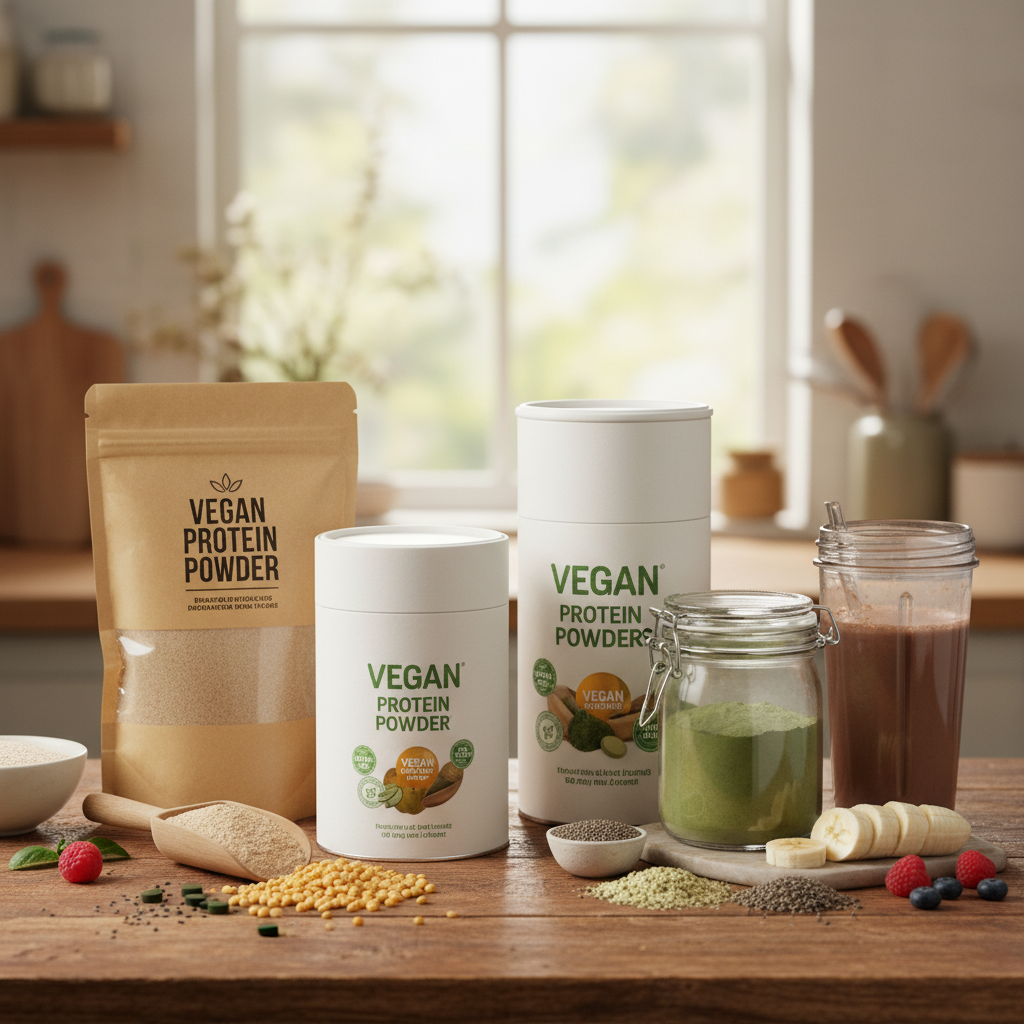
Plant-based protein blends have revolutionized muscle recovery options for vegans, vegetarians, and individuals with dairy sensitivities, proving that animal-derived proteins aren't the only path to optimal muscle protein synthesis. The most effective plant protein formulations strategically combine multiple sources such as pea, rice, hemp, and quinoa proteins to create a complete amino acid profile that rivals traditional dairy-based options. Pea protein, often serving as the foundation of these blends, provides exceptional leucine content and demonstrates impressive muscle-building capabilities in research studies, while rice protein offers excellent digestibility and hypoallergenic properties. The synergistic combination of different plant proteins addresses the individual limitations of single-source plant proteins, ensuring adequate levels of all essential amino acids, particularly lysine and methionine, which are often limiting factors in plant-based nutrition. Modern plant protein blends frequently incorporate additional recovery-enhancing ingredients such as digestive enzymes, probiotics, and naturally occurring phytonutrients that may provide antioxidant and anti-inflammatory benefits. These formulations often digest more easily than some dairy proteins, reducing gastrointestinal distress while still delivering the amino acid payload necessary for effective muscle recovery and adaptation.
4. Hydrolyzed Whey Protein - Pre-Digested for Maximum Absorption
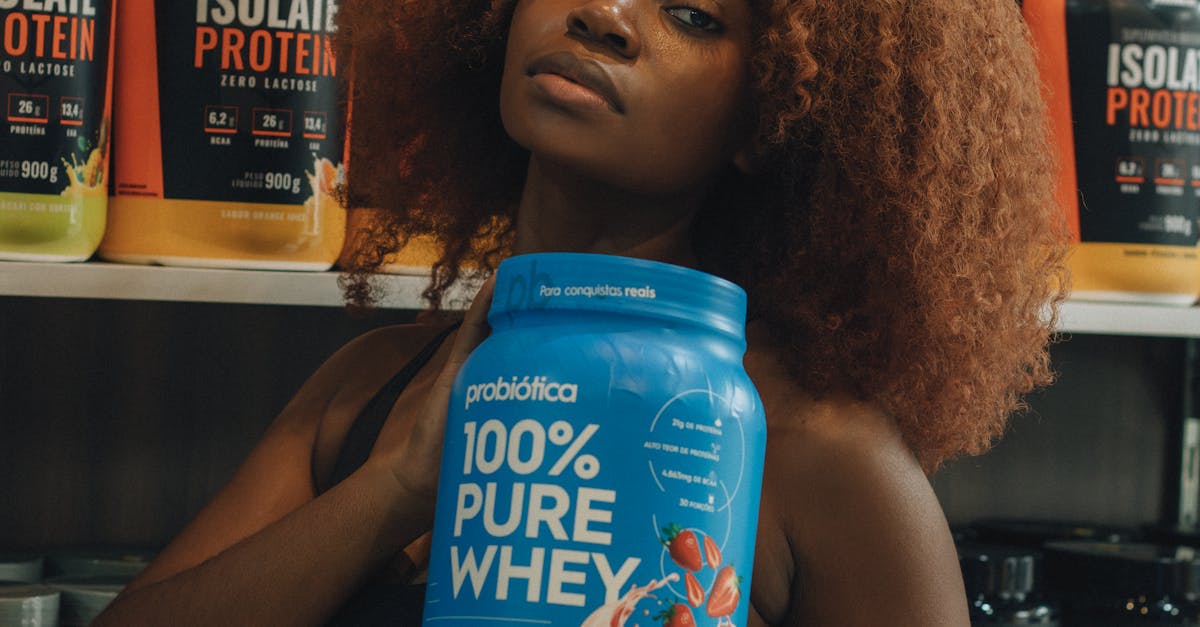
Hydrolyzed whey protein represents the pinnacle of protein processing technology, utilizing enzymatic pre-digestion to break down protein chains into smaller peptides and amino acids for unprecedented absorption speed and efficiency. This advanced processing technique essentially performs the initial stages of digestion outside the body, allowing the protein to bypass much of the normal digestive process and reach muscle tissue even faster than standard whey isolate. Research demonstrates that hydrolyzed whey can stimulate muscle protein synthesis more rapidly than intact proteins, making it particularly valuable for athletes engaged in multiple training sessions per day or those requiring rapid recovery between competitive events. The smaller peptide chains in hydrolyzed whey may also trigger enhanced insulin response, which can improve amino acid uptake into muscle cells and support glycogen replenishment when combined with carbohydrates. While hydrolyzed whey often comes with a higher price point and occasionally bitter taste due to the processing methods, its superior bioavailability and rapid action make it an excellent choice for serious athletes prioritizing maximum recovery efficiency. Additionally, the pre-digested nature of hydrolyzed whey makes it suitable for individuals with sensitive digestive systems who may struggle with other protein sources.
5. Egg White Protein - The Original Complete Protein Source

Egg white protein holds a distinguished place in the protein powder hierarchy as one of the original complete protein sources, offering a lactose-free alternative with an exceptional amino acid profile and perfect protein digestibility score. This time-tested protein source provides all essential amino acids in optimal ratios for muscle protein synthesis, with particularly high levels of leucine and other branched-chain amino acids crucial for recovery. The biological value of egg white protein rivals that of whey protein, while offering a moderate digestion rate that falls between the rapid absorption of whey and the slow release of casein, providing sustained amino acid availability for several hours post-consumption. Egg white protein demonstrates excellent solubility and mixability, creating smooth, palatable shakes without the chalky texture sometimes associated with other protein sources. For individuals with dairy allergies or lactose intolerance, egg white protein offers a superior alternative to plant-based options while maintaining the complete amino acid profile necessary for optimal muscle recovery. Research supports egg white protein's effectiveness in promoting muscle protein synthesis and supporting training adaptations, while its natural sulfur-containing amino acids may provide additional benefits for connective tissue health and overall recovery processes.
6. Beef Protein Isolate - Carnivore-Friendly Muscle Building

Beef protein isolate emerges as a unique and highly effective option for muscle recovery, particularly appealing to individuals following carnivore or paleo dietary approaches who prefer animal-based nutrition sources. This innovative protein source undergoes extensive processing to remove fat, cholesterol, and other non-protein components while concentrating the muscle-building amino acids found in high-quality beef. The amino acid profile of beef protein closely mirrors that of human muscle tissue, providing optimal ratios of essential amino acids including high levels of creatine, carnosine, and other naturally occurring compounds that support muscle function and recovery. Beef protein isolate offers excellent digestibility and absorption rates, typically faster than whole beef but with sustained amino acid release that supports prolonged muscle protein synthesis. The processing methods used to create beef protein isolate eliminate concerns about saturated fat and cholesterol while retaining the beneficial amino acids and bioactive compounds that make beef an excellent protein source. Research indicates that beef protein can effectively stimulate muscle protein synthesis and support training adaptations, while providing additional nutrients like iron, zinc, and B-vitamins that support overall recovery and energy metabolism.
7. Collagen Protein - Supporting Connective Tissue Recovery
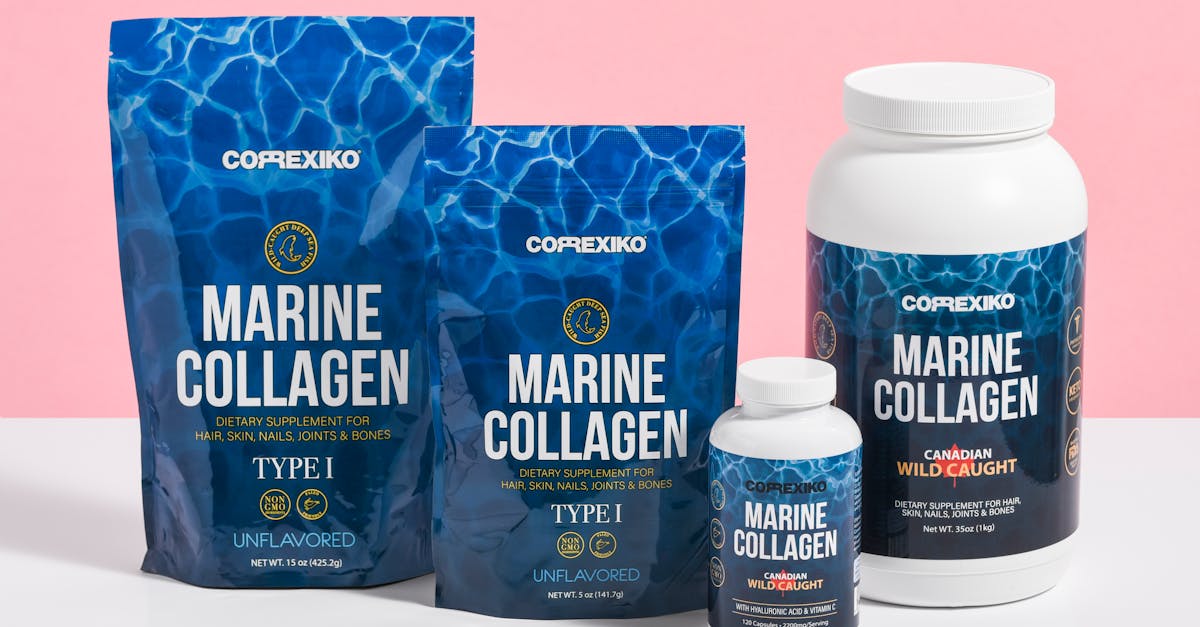
Collagen protein represents a specialized category of protein supplementation that targets the often-overlooked aspect of connective tissue recovery, including tendons, ligaments, cartilage, and fascia that play crucial roles in overall musculoskeletal health. While collagen protein doesn't provide a complete amino acid profile for muscle protein synthesis, it offers unique benefits through its high concentration of glycine, proline, and hydroxyproline, amino acids that are essential for collagen synthesis and connective tissue repair. Research demonstrates that collagen supplementation, particularly when combined with vitamin C and consumed around exercise sessions, can significantly improve tendon and ligament health, reduce joint pain, and enhance overall recovery from intense training. The rapid absorption and bioavailability of hydrolyzed collagen peptides allow these specialized amino acids to reach target tissues quickly, supporting the repair and strengthening of connective tissues that often become limiting factors in training progression. Collagen protein works synergistically with complete proteins, making it an excellent addition to comprehensive recovery protocols rather than a standalone muscle-building supplement. The anti-inflammatory properties of certain collagen peptides may also contribute to reduced exercise-induced muscle damage and faster recovery between training sessions.
8. Rice Protein - The Hypoallergenic Muscle Builder
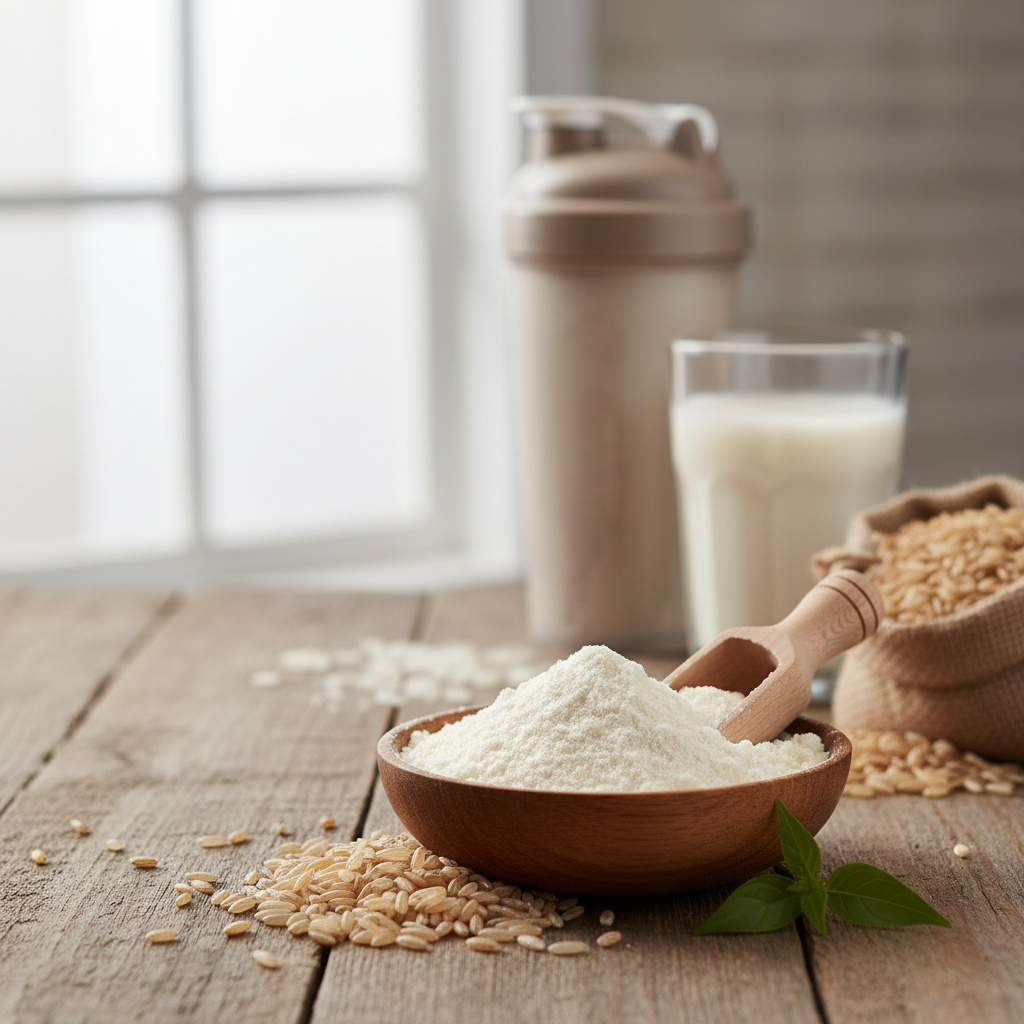
Rice protein has emerged as a surprisingly effective single-source plant protein that challenges preconceptions about plant-based muscle recovery supplements, demonstrating remarkable efficacy in supporting muscle protein synthesis and training adaptations. Despite being derived from a grain source, high-quality rice protein provides an impressive amino acid profile with particularly high levels of branched-chain amino acids, especially leucine, which serves as the primary trigger for muscle protein synthesis. Research directly comparing rice protein to whey protein has shown virtually identical results in terms of muscle building, strength gains, and body composition improvements when consumed in adequate quantities. The hypoallergenic nature of rice protein makes it suitable for individuals with multiple food sensitivities, including those who cannot tolerate dairy, soy, or other common allergens found in protein supplements. Rice protein offers excellent digestibility and rarely causes gastrointestinal distress, making it an ideal choice for athletes with sensitive stomachs or those consuming large quantities of protein throughout the day. The neutral taste and smooth texture of quality rice protein make it highly versatile for use in various recipes and applications beyond traditional protein shakes.
9. Pea Protein - The Sustainable Muscle Recovery Solution
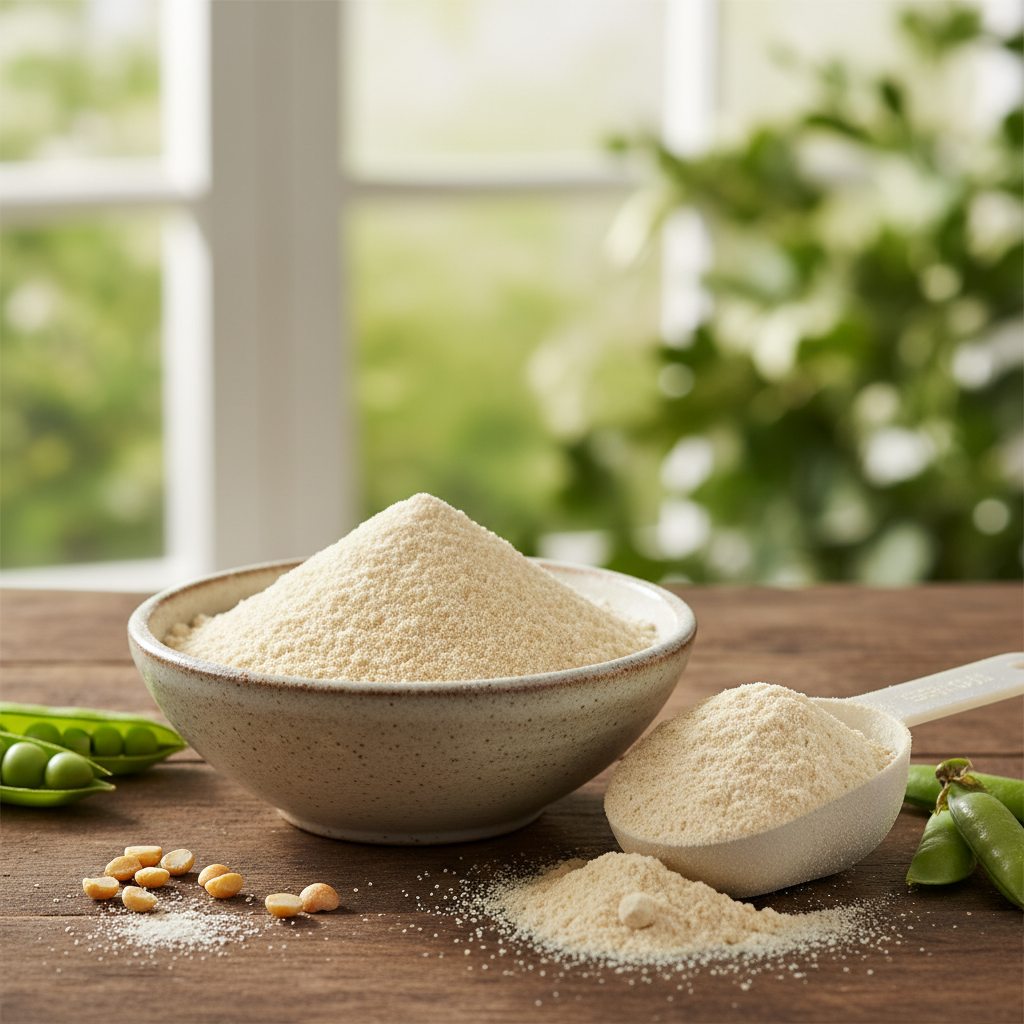
Pea protein stands out as both an environmentally sustainable and highly effective option for muscle recovery, derived from yellow split peas and offering an impressive amino acid profile that rivals many animal-based proteins. The leucine content of pea protein approaches that of whey protein, providing the essential trigger for muscle protein synthesis, while also delivering substantial amounts of arginine, which supports blood flow and nutrient delivery to working muscles. Research demonstrates that pea protein can effectively stimulate muscle protein synthesis and support muscle growth when consumed in adequate amounts, making it a viable option for both plant-based and omnivorous athletes. The fiber content naturally present in pea protein may provide additional digestive health benefits while supporting satiety and blood sugar regulation, factors that can indirectly influence recovery and training performance. Pea protein's alkaline-forming properties may help counteract the acidic environment created by intense exercise, potentially supporting faster recovery and reduced muscle fatigue. The sustainable production methods used for pea protein require significantly less water and land resources compared to animal-based proteins, making it an environmentally conscious choice for athletes concerned about their ecological impact while maintaining high performance standards.
10. Hemp Protein - The Omega-Rich Recovery Enhancer
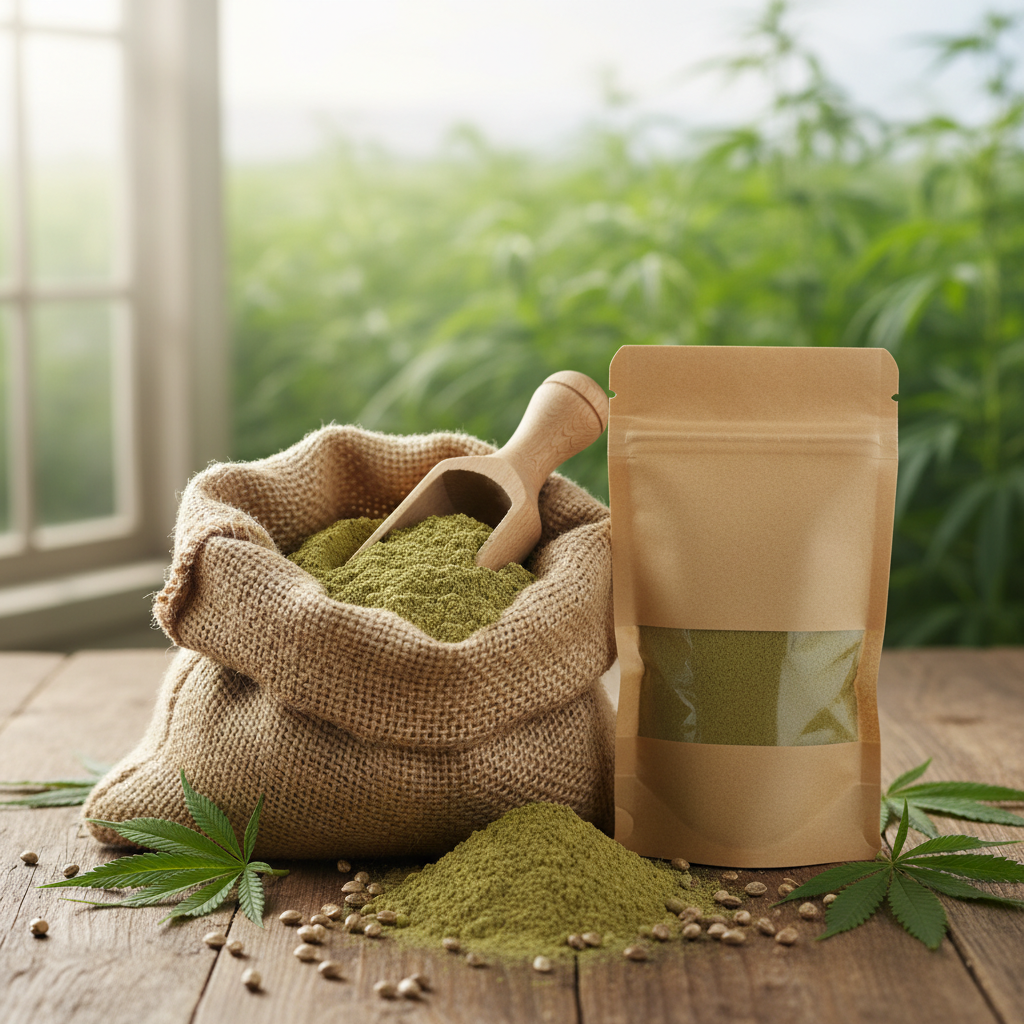
Hemp protein offers a unique combination of complete protein, healthy fats, and additional nutrients that create a comprehensive recovery supplement beyond simple amino acid delivery. Derived from hemp seeds, this plant-based protein provides all essential amino acids while also delivering beneficial omega-3 and omega-6 fatty acids in optimal ratios for reducing inflammation and supporting overall recovery processes. The natural occurrence of gamma-linolenic acid (GLA) in hemp protein provides anti-inflammatory benefits that may help reduce exercise-induced muscle damage and accelerate recovery between training sessions. Hemp protein contains naturally occurring minerals including magnesium, iron, and zinc, which play crucial roles in muscle function, energy metabolism, and protein synthesis pathways. The fiber content in hemp protein supports digestive health and may help regulate blood sugar levels, contributing to stable energy levels and improved nutrient utilization throughout the recovery process. While hemp protein typically contains lower total protein content per serving compared to more concentrated sources, its additional nutritional benefits and excellent digestibility make it a valuable component of comprehensive recovery nutrition protocols, particularly when combined with other protein sources to optimize amino acid intake.
11. Soy Protein Isolate - The Complete Plant Protein Pioneer
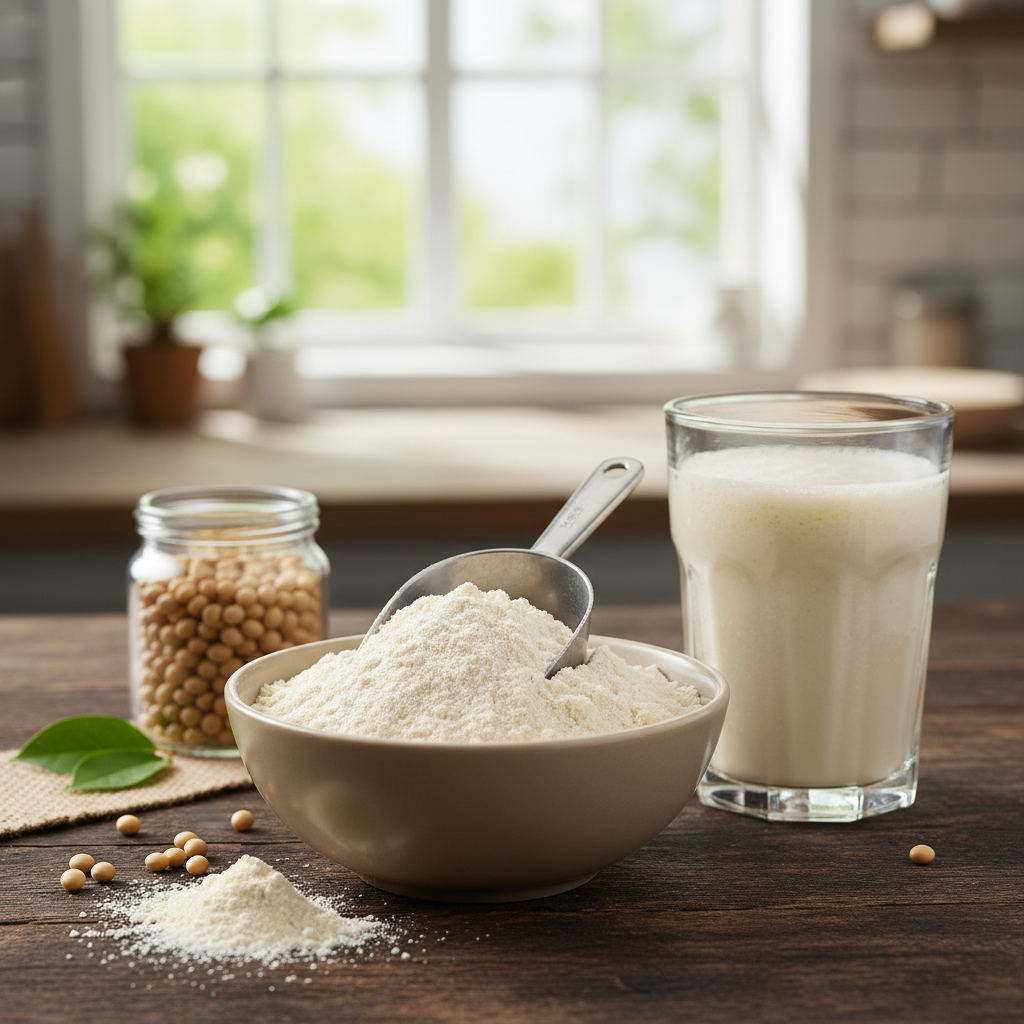
Soy protein isolate represents one of the most researched and scientifically validated plant-based protein sources, offering a complete amino acid profile that effectively supports muscle recovery and protein synthesis. Despite some controversy in fitness circles, extensive research demonstrates that soy protein can stimulate muscle protein synthesis comparably to animal-based proteins when consumed in adequate amounts and proper timing. The isoflavones naturally present in soy protein may provide additional health benefits including antioxidant and anti-inflammatory effects that could support recovery and overall health, though these compounds have also been the source of unfounded concerns about hormonal effects in healthy individuals. Soy protein isolate offers excellent solubility and neutral taste, making it highly versatile for use in various applications and recipes beyond traditional protein shakes. The rapid digestion and absorption of soy protein isolate places it in a similar category to whey protein for post-workout recovery, while its plant-based nature makes it suitable for vegans and individuals with dairy allergies. Research consistently shows that soy protein supports muscle building and strength gains comparably to other high-quality protein sources, making concerns about its effectiveness largely unfounded when used as part of a well-designed nutrition program.
12. Multi-Source Protein Blends - The Synergistic Approach
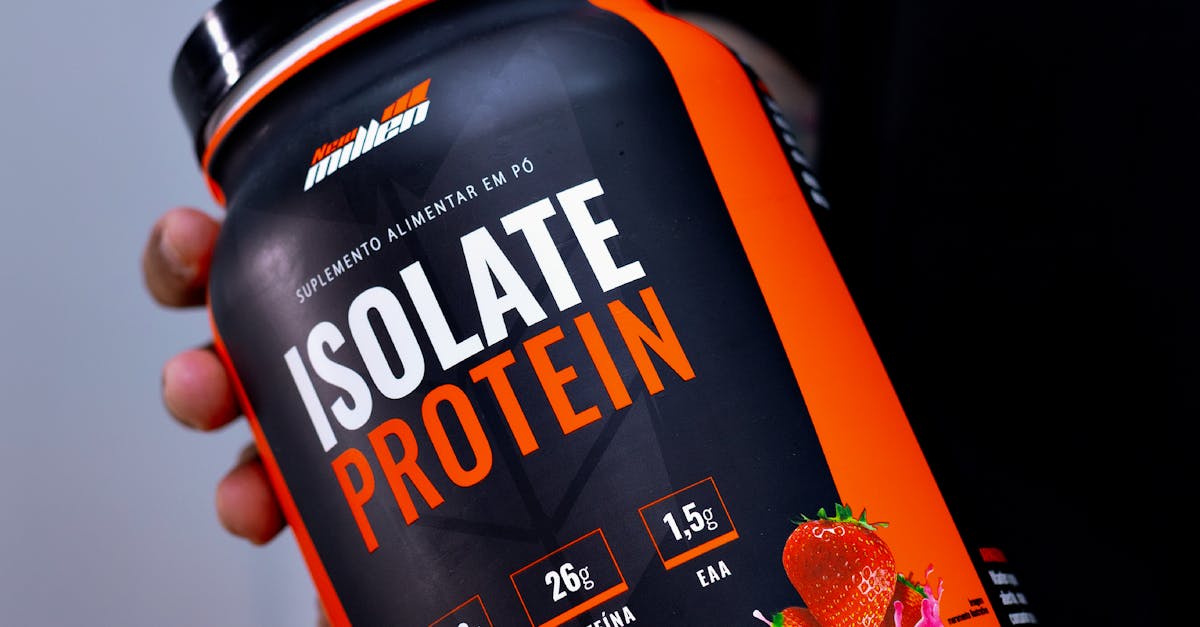
Multi-source protein blends represent the evolution of protein supplementation, strategically combining different protein sources to optimize amino acid delivery, absorption timing, and overall recovery benefits. These sophisticated formulations typically include fast-digesting proteins like whey isolate for immediate post-workout needs, medium-digesting proteins like egg white for sustained amino acid release, and slow-digesting proteins like casein for prolonged muscle protein synthesis. The synergistic effect of combining multiple protein sources creates a more comprehensive amino acid profile while providing varied absorption rates that can support muscle recovery over extended periods. Research suggests that protein blends may offer superior muscle protein synthesis compared to single-source proteins by providing sustained amino acid availability that better matches the body's protein synthesis patterns throughout the day. Many high-quality protein blends also incorporate additional recovery-enhancing ingredients such as digestive enzymes to improve protein utilization, probiotics for gut health, and specific amino acids like glutamine or leucine to further optimize recovery processes. The versatility of protein blends makes them suitable for various timing strategies, from post-workout recovery to between-meal protein supplementation, providing consistent support for muscle recovery and adaptation regardless of when they're consumed.
13. Specialized Recovery Ingredients and Additives

The most advanced protein powders for muscle recovery extend beyond basic protein content to include specialized ingredients that enhance absorption, reduce inflammation, and accelerate recovery processes. Digestive enzymes such as protease, bromelain, and papain are frequently added to protein formulations to improve protein breakdown and amino acid absorption, particularly beneficial for individuals with compromised digestive function or those consuming large amounts of protein. Branched-chain amino acids (BCAAs) and essential amino acids (EAAs) are often added to protein powders to ensure optimal ratios for muscle protein synthesis, with particular emphasis on leucine content to maximize the anabolic response to protein consumption. Anti-inflammatory compounds like tart cherry extract, turmeric, and ginger may be included to reduce exercise-induced muscle damage and accelerate recovery between training sessions. Probiotics and prebiotics are increasingly common additions that support gut health and may improve overall nutrient absorption and immune function, factors that indirectly influence recovery capacity and training adaptations. Creatine monohydrate, beta-alanine, and HMB (β-Hydroxy β-Methylbutyrate) represent performance-enhancing additions that can support muscle recovery through various mechanisms including improved energy production, reduced muscle breakdown, and enhanced training capacity.
14. Ranking Methodology and Final Recommendations

The ranking of these thirteen protein powders for muscle recovery is based on a comprehensive evaluation of ingredient quality, amino acid completeness, bioavailability, scientific evidence, and practical considerations including taste, mixability, and value. Whey protein isolate claims the top position due to its superior amino acid profile, rapid absorption, extensive research support, and proven effectiveness across diverse populations and training scenarios. Casein protein and hydrolyzed whey follow closely, offering unique benefits for specific timing strategies and individual needs. Plant-based options including pea protein, rice protein, and comprehensive plant blends rank highly for their effectiveness, sustainability, and suitability for individuals with dietary restrictions or preferences. Specialized proteins like collagen and hemp protein earn recognition for their unique benefits beyond basic muscle protein synthesis, while multi-source blends receive high marks for their comprehensive approach to recovery nutrition. The final ranking considers that optimal protein choice depends on individual factors including dietary preferences, training goals, timing strategies, and personal tolerance, emphasizing that the "best" protein powder varies among individuals. Successful muscle recovery ultimately depends on consistent protein intake, proper timing, adequate total daily protein consumption, and integration with comprehensive nutrition and training programs rather than reliance on any single supplement, regardless of its quality or ranking position.
