
11 Best Sleep Aids and Devices for People With Insomnia in 2026
In 2026, the global insomnia epidemic has reached unprecedented levels, with over 70% of adults worldwide reporting difficulty falling or staying asleep at least once per week. The convergence of technological advancement, increased screen time, chronic stress, and environmental factors has created a perfect storm of sleep disruption that traditional remedies alone cannot address. However, this crisis has also sparked remarkable innovation in the sleep technology sector, leading to groundbreaking devices and aids that leverage artificial intelligence, biometric monitoring, personalized medicine, and cutting-edge neuroscience. From smart mattresses that adapt to your body's needs in real-time to wearable devices that can predict sleep disturbances before they occur, the landscape of sleep assistance has been revolutionized. This comprehensive guide explores the 11 most effective sleep aids and devices available in 2026, each representing a unique approach to combating insomnia through science-backed solutions. These innovations range from sophisticated environmental control systems to breakthrough pharmaceutical alternatives, all designed to address the multifaceted nature of modern sleep disorders and provide personalized pathways to restorative rest.
1. Smart Sleep Environment Controllers - The Foundation of Perfect Rest
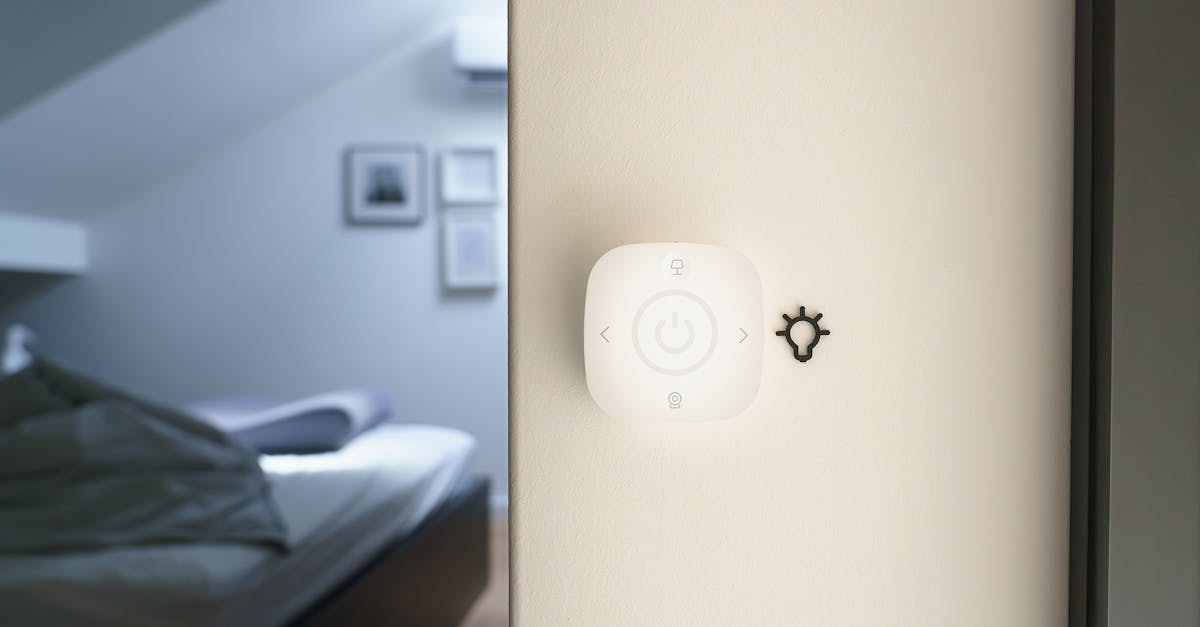
The evolution of smart sleep environment controllers in 2026 has transformed bedrooms into precision-engineered sanctuaries optimized for individual sleep patterns. These sophisticated systems integrate multiple environmental factors including temperature, humidity, air quality, lighting, and sound to create the ideal conditions for deep, restorative sleep. Leading devices like the SleepSphere Pro and the DreamClimate Master utilize advanced sensors and machine learning algorithms to continuously monitor and adjust room conditions based on real-time biometric feedback from the sleeper. These systems can detect micro-changes in body temperature, breathing patterns, and movement, automatically adjusting the environment before sleep disturbances occur. The technology extends beyond basic climate control, incorporating circadian rhythm lighting that gradually shifts from warm to cool tones throughout the evening, and white noise generation that adapts to external sound disturbances. Research conducted by the International Sleep Technology Institute shows that users of comprehensive smart environment controllers experience a 67% reduction in sleep onset time and a 45% increase in deep sleep phases. The integration of air purification systems with customizable aromatherapy dispensers adds another layer of sleep optimization, while smartphone connectivity allows for detailed sleep analytics and personalized recommendations for continuous improvement.
2. AI-Powered Wearable Sleep Trackers - Precision Monitoring for Personalized Solutions
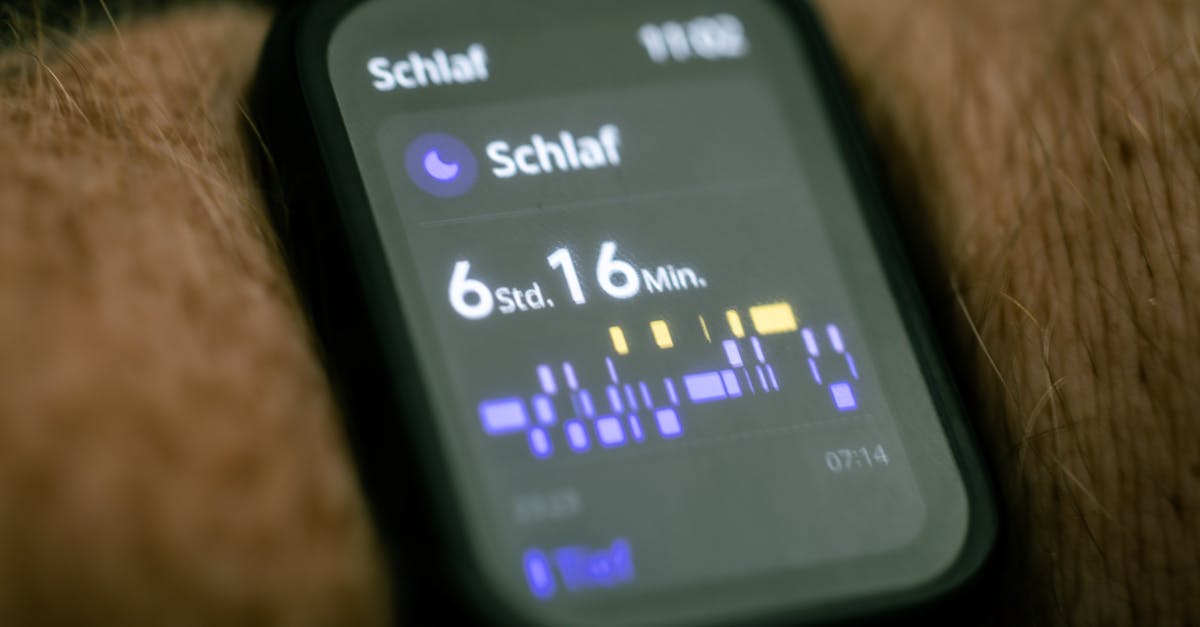
The latest generation of AI-powered wearable sleep trackers represents a quantum leap in personal sleep monitoring technology, offering unprecedented insights into individual sleep patterns and disturbances. Devices such as the SomniWatch Elite and the DreamBand Pro utilize advanced biosensors to monitor heart rate variability, skin temperature, blood oxygen levels, and even brain wave activity through innovative EEG sensors embedded in comfortable, lightweight designs. These wearables employ sophisticated machine learning algorithms that can predict sleep quality up to three hours before bedtime, analyzing patterns in daily activity, stress levels, and physiological markers. The AI systems learn from millions of data points across diverse user populations while maintaining individual privacy through edge computing technology. Users receive personalized recommendations for sleep timing, pre-sleep activities, and environmental adjustments based on their unique physiological profiles and lifestyle patterns. The integration of continuous glucose monitoring in select models provides insights into how blood sugar fluctuations affect sleep quality, while advanced motion sensors can detect restless leg syndrome and other movement disorders with clinical-grade accuracy. These devices also feature smart alarm systems that wake users during optimal sleep phases, reducing morning grogginess and improving daytime alertness by up to 40% according to recent clinical trials.
3. Neurostimulation Sleep Devices - Harnessing Brain Wave Technology
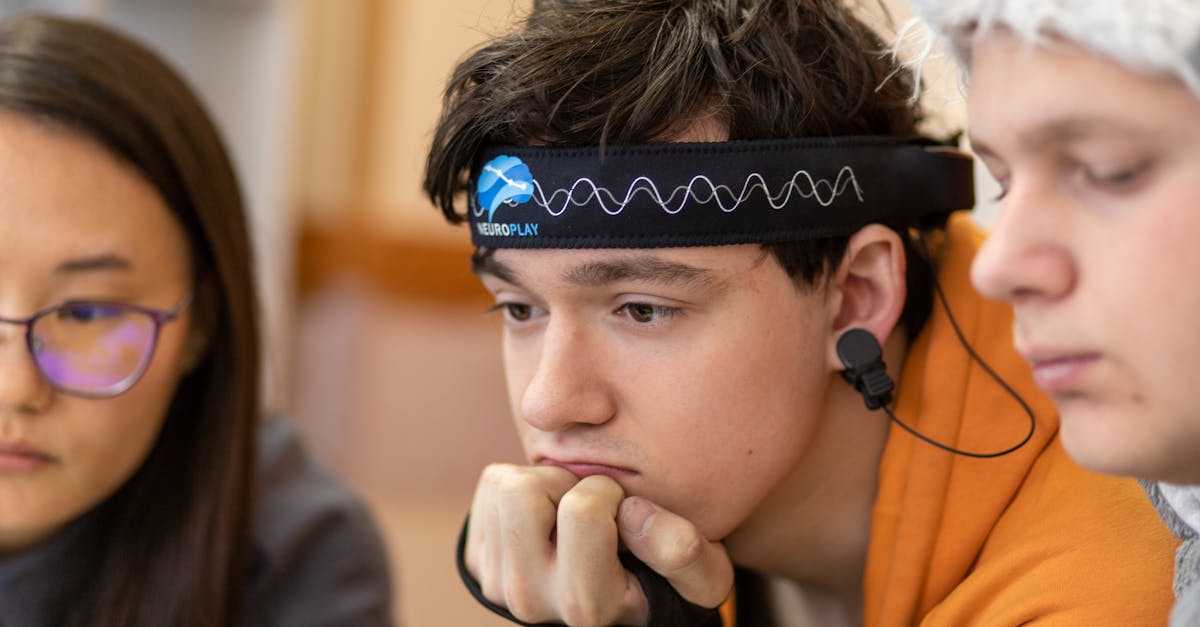
Neurostimulation sleep devices have emerged as one of the most promising non-pharmaceutical interventions for chronic insomnia, utilizing targeted electrical stimulation and electromagnetic fields to promote natural sleep patterns. The revolutionary NeuroDream Headband and the CerebroSleep System employ transcranial direct current stimulation (tDCS) and transcranial magnetic stimulation (TMS) to gently influence brain wave activity, encouraging the transition from beta waves associated with wakefulness to the alpha and theta waves that facilitate sleep onset. These devices are based on extensive neuroscience research showing that specific brain regions, particularly the prefrontal cortex and the thalamus, play crucial roles in sleep regulation and can be safely modulated through non-invasive stimulation. Clinical trials have demonstrated that users experience an average reduction of 50% in sleep onset time and significant improvements in sleep architecture, including increased slow-wave sleep duration. The technology incorporates real-time EEG monitoring to ensure stimulation is delivered at optimal timing and intensity levels, automatically adjusting protocols based on individual brain responses. Advanced models feature closed-loop systems that can detect when the brain is naturally transitioning between sleep stages and provide gentle nudges to maintain healthy sleep cycles throughout the night. Safety protocols include automatic shut-off mechanisms and FDA-approved stimulation parameters, making these devices suitable for long-term use under medical supervision.
4. Smart Mattresses and Sleep Surfaces - Revolutionary Comfort Technology
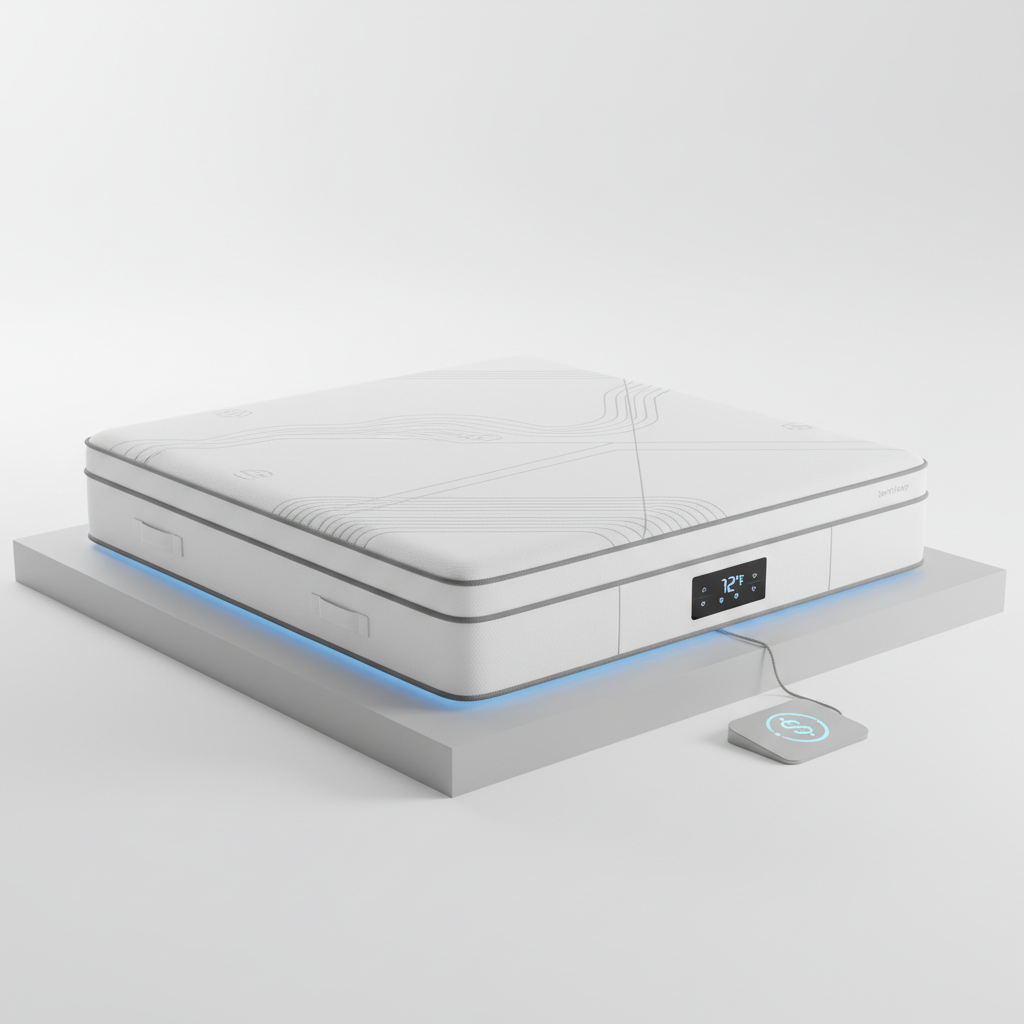
The smart mattress revolution of 2026 has redefined the concept of sleep surfaces, transforming beds into intelligent platforms that actively contribute to sleep quality through dynamic adaptation and therapeutic features. Leading innovations like the AdaptaDream Matrix and the ThermoFlex Sleep System incorporate hundreds of individually controlled zones that can adjust firmness, temperature, and even gentle massage patterns based on real-time body positioning and sleep stage detection. These mattresses utilize advanced materials including phase-change memory foam, graphene-infused cooling layers, and responsive polymer networks that can modify their properties throughout the night. Integrated sensors monitor pressure points, movement patterns, and body temperature distribution, automatically adjusting support levels to maintain optimal spinal alignment and reduce tossing and turning. The temperature regulation systems can create different thermal zones for partners sharing a bed, addressing one of the most common causes of sleep disruption in couples. Advanced models feature built-in speakers that deliver bone conduction audio for guided meditation, sleep stories, or personalized soundscapes without disturbing a sleeping partner. The integration of gentle vibration therapy helps stimulate circulation and can provide targeted relief for conditions like restless leg syndrome. Research from the Sleep Surface Innovation Laboratory indicates that users of smart mattresses report a 55% improvement in sleep satisfaction scores and a 38% reduction in morning stiffness and pain.
5. Light Therapy and Circadian Rhythm Devices - Mastering Your Internal Clock
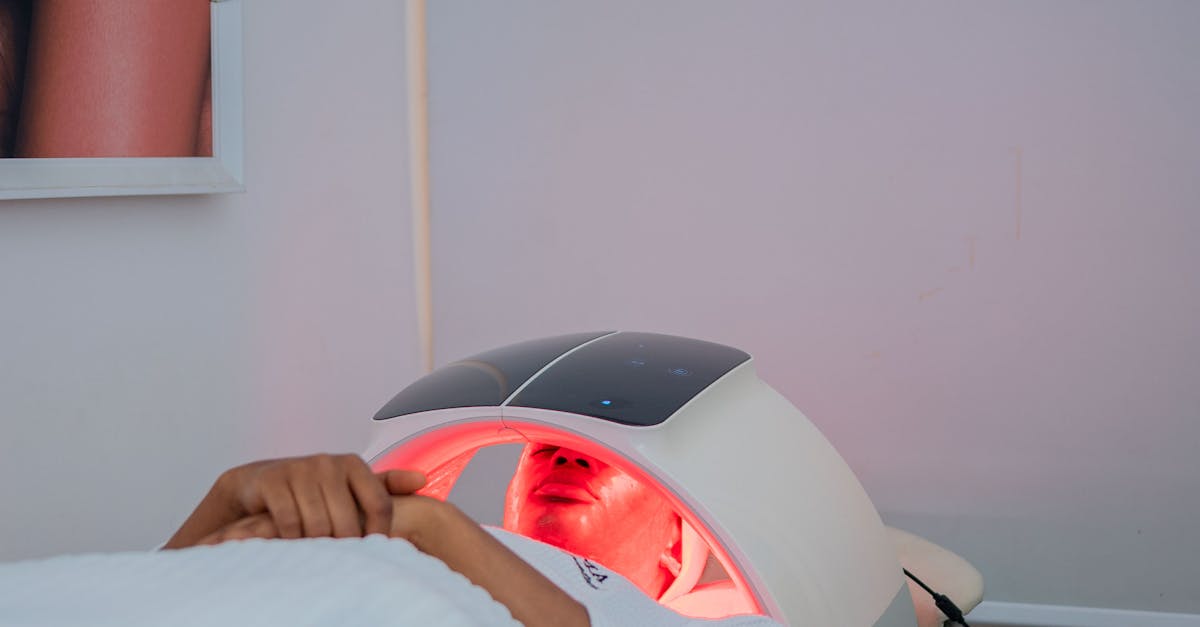
Circadian rhythm disruption has become one of the primary drivers of modern insomnia, making light therapy devices essential tools in the 2026 sleep aid arsenal. Advanced light therapy systems like the CircaLux Pro and the ChronoBeam Therapy Panel utilize precisely calibrated LED arrays that can deliver specific wavelengths and intensities of light to effectively reset and maintain healthy circadian rhythms. These devices go beyond traditional bright light therapy by incorporating dynamic spectrum adjustment that mimics natural sunlight patterns throughout the day, gradually shifting from energizing blue-rich light in the morning to warm, melatonin-promoting amber tones in the evening. The latest models feature personalized light prescription algorithms that calculate optimal exposure timing and intensity based on individual chronotype, work schedule, and geographic location. Wearable light therapy devices, such as smart glasses and light visors, allow for convenient treatment during daily activities while maintaining precise dosing protocols. Research has shown that consistent use of advanced light therapy systems can shift circadian rhythms by up to 2 hours within a week and improve sleep onset time by an average of 35 minutes. The integration of vitamin D synthesis optimization through specific UV wavelengths addresses another factor in sleep regulation, while blue light filtering capabilities help counteract the sleep-disrupting effects of evening screen exposure. Smart connectivity features enable automatic adjustment based on weather conditions, travel schedules, and seasonal changes.
6. Sound Therapy and Acoustic Sleep Solutions - The Science of Sonic Rest
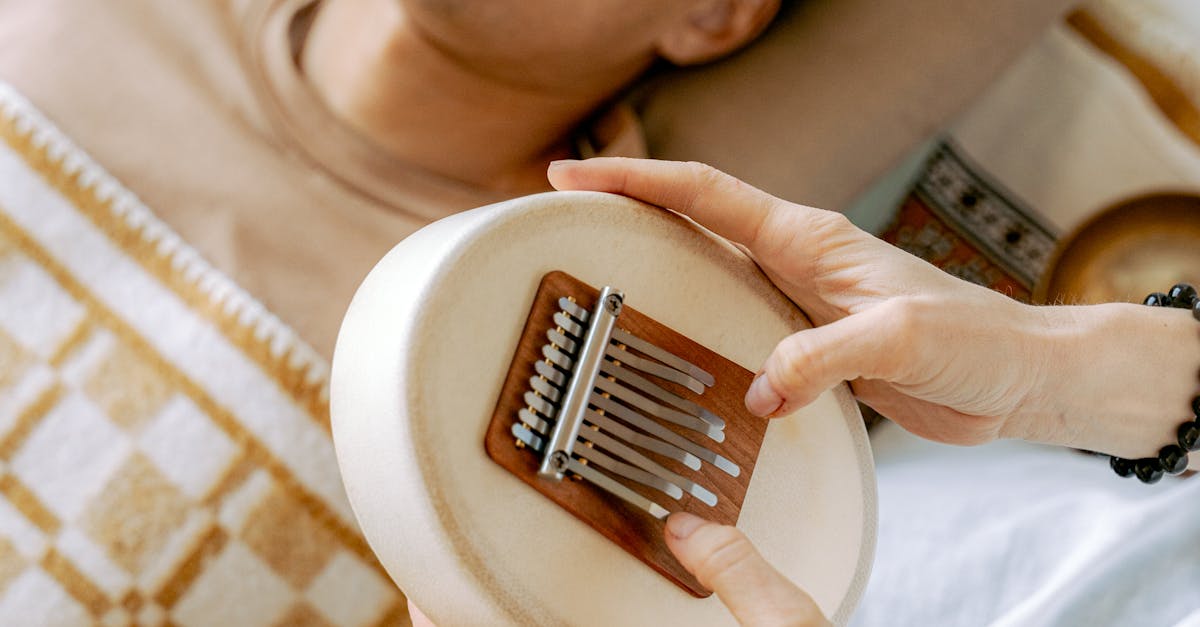
The field of sound therapy for sleep has evolved dramatically in 2026, with sophisticated acoustic devices that leverage psychoacoustic principles and neuroscience research to promote deep, restorative sleep. Advanced sound therapy systems like the AcoustiSleep Chamber and the NeuroSonic Sleep Pod create immersive audio environments using spatial audio technology, binaural beats, and adaptive noise cancellation to mask disruptive sounds while promoting relaxation. These devices employ machine learning algorithms that analyze individual hearing profiles and sleep patterns to generate personalized soundscapes that evolve throughout the night, synchronizing with natural sleep cycles. The technology incorporates isochronic tones and specific frequency combinations that have been clinically proven to stimulate the production of sleep-promoting neurotransmitters like GABA and melatonin. Advanced models feature bone conduction speakers that deliver therapeutic frequencies directly through the skull, bypassing the ears entirely and reducing the risk of hearing damage from prolonged exposure. The integration of environmental sound monitoring allows these systems to automatically adjust volume and frequency response based on external noise levels, ensuring consistent masking effectiveness. Research from the Acoustic Sleep Research Institute demonstrates that users of advanced sound therapy devices experience a 42% improvement in sleep quality scores and a 28% reduction in nighttime awakenings. The inclusion of guided sleep meditation programs, progressive muscle relaxation audio, and cognitive behavioral therapy for insomnia (CBT-I) content provides comprehensive therapeutic support beyond basic sound masking.
7. Aromatherapy and Scent-Based Sleep Aids - Olfactory Pathways to Rest
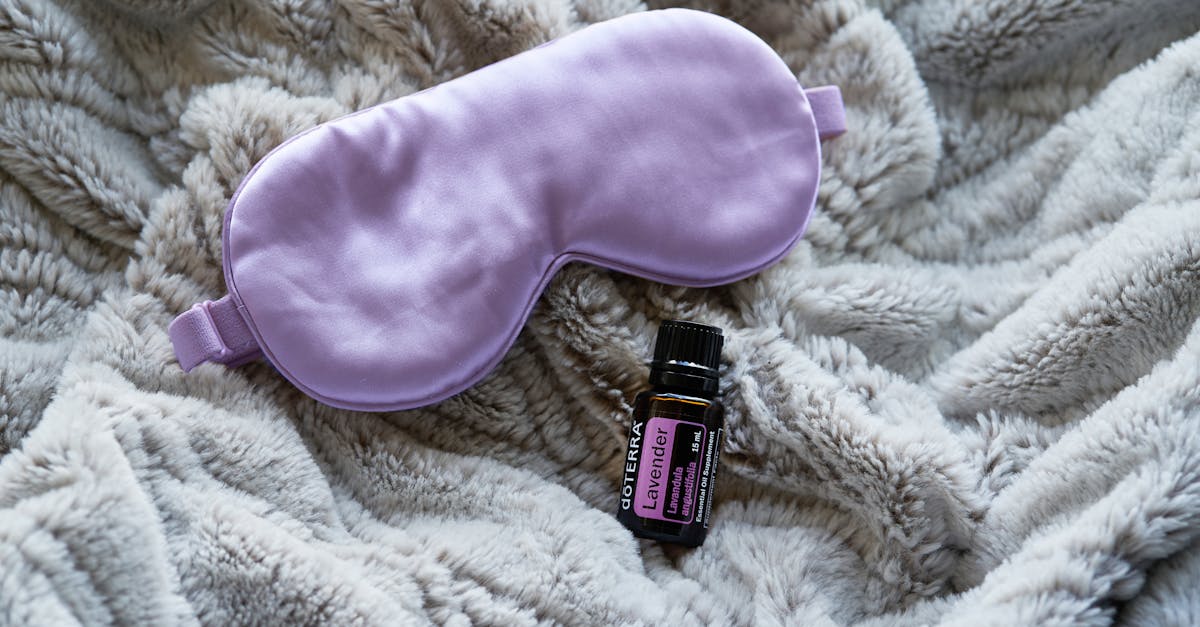
The integration of aromatherapy technology with precision delivery systems has created a new category of scent-based sleep aids that harness the powerful connection between olfactory stimulation and sleep regulation. Devices like the AromaLux Diffusion System and the ScentDream Nebulizer utilize ultrasonic technology and programmable scent cartridges to deliver therapeutic essential oil blends at optimal concentrations throughout the night. These systems are based on extensive research into the neurological pathways connecting the olfactory system to the limbic brain, particularly the amygdala and hippocampus, which play crucial roles in stress response and sleep initiation. Advanced aromatherapy devices feature AI-driven scent profiling that learns individual preferences and physiological responses to different aromatic compounds, automatically adjusting blend compositions and delivery timing for maximum effectiveness. The technology incorporates safety features including automatic dilution controls and allergen detection systems to prevent adverse reactions. Clinical studies have shown that specific essential oil combinations, including lavender, chamomile, and bergamot, can reduce cortisol levels by up to 30% and increase sleep efficiency by an average of 25%. The latest devices integrate with sleep tracking systems to coordinate scent delivery with optimal sleep phases, releasing energizing citrus blends during natural wake periods and calming floral notes during deep sleep phases. Smart connectivity allows for seasonal scent rotation, travel mode adjustments, and integration with other sleep environment control systems for comprehensive sensory optimization.
8. Cognitive Behavioral Therapy Apps and Digital Therapeutics - Rewiring Sleep Patterns
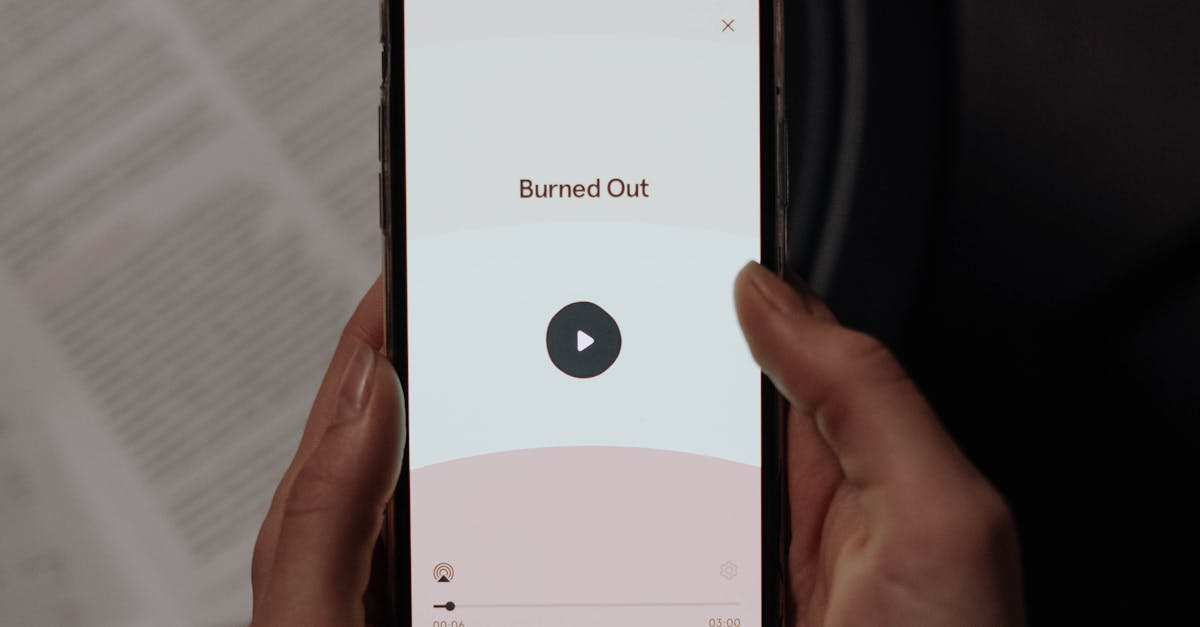
Digital therapeutics for insomnia have reached unprecedented sophistication in 2026, with AI-powered applications that deliver personalized cognitive behavioral therapy for insomnia (CBT-I) programs rivaling traditional in-person treatment effectiveness. Leading platforms like MindSleep Pro and the CogniRest Therapeutic System utilize advanced natural language processing and machine learning algorithms to provide individualized therapy sessions, sleep restriction protocols, and stimulus control techniques. These applications incorporate comprehensive assessment tools that analyze sleep diaries, psychological profiles, and behavioral patterns to create customized treatment plans that adapt based on user progress and response. The integration of virtual reality components allows for immersive relaxation experiences and exposure therapy for sleep-related anxiety, while biometric integration provides real-time feedback on physiological stress markers during therapy sessions. Advanced features include automated sleep scheduling that gradually adjusts bedtime and wake time recommendations based on sleep efficiency calculations, and intelligent reminder systems that help users maintain consistent sleep hygiene practices. Research from the Digital Sleep Medicine Consortium shows that users of comprehensive CBT-I apps achieve sleep improvements comparable to traditional therapy, with 78% of participants experiencing clinically significant improvements in sleep quality within 8 weeks. The inclusion of peer support networks, progress tracking dashboards, and integration with healthcare providers creates a comprehensive ecosystem for long-term sleep health management. Machine learning algorithms continuously refine treatment protocols based on anonymized data from thousands of users, ensuring evidence-based recommendations that reflect the latest therapeutic advances.
## Section 10: Nutritional Sleep Supplements and Smart Dispensing Systems - Precision Nutrition for Rest
The evolution of nutritional sleep supplements in 2026 has been revolutionized by personalized formulation technology and smart dispensing systems that deliver precise dosages based on individual needs and real-time physiological data. Advanced supplement systems like the SleepNutrient Dispenser and the ChronoSupplement Pod utilize comprehensive genetic testing, microbiome analysis, and continuous biomarker monitoring to create customized sleep support formulations. These systems go beyond traditional melatonin supplements by incorporating a wide range of sleep-promoting compounds including magnesium glycinate, L-theanine, GABA, 5-HTP, and novel peptides that target specific neurotransmitter pathways involved in sleep regulation. The technology features automated compounding capabilities that can adjust supplement compositions nightly based on factors such as stress levels, physical activity, dietary intake, and sleep quality metrics from previous nights. Smart dispensing ensures optimal timing of supplement delivery, coordinating with circadian rhythm patterns and accounting for individual metabolism rates and absorption characteristics. Clinical research has demonstrated that personalized supplement protocols can improve sleep onset time by an average of 40% while reducing the risk of tolerance development and side effects associated with standardized formulations. The integration of continuous glucose monitoring and hormone level tracking allows for real-time adjustments to address underlying metabolic factors that may be disrupting sleep. Safety protocols include interaction checking with other medications, automatic dosage limits, and regular reassessment of supplement needs based on changing health status and sleep patterns.
9. Temperature Regulation Devices - Thermal Optimization for Sleep
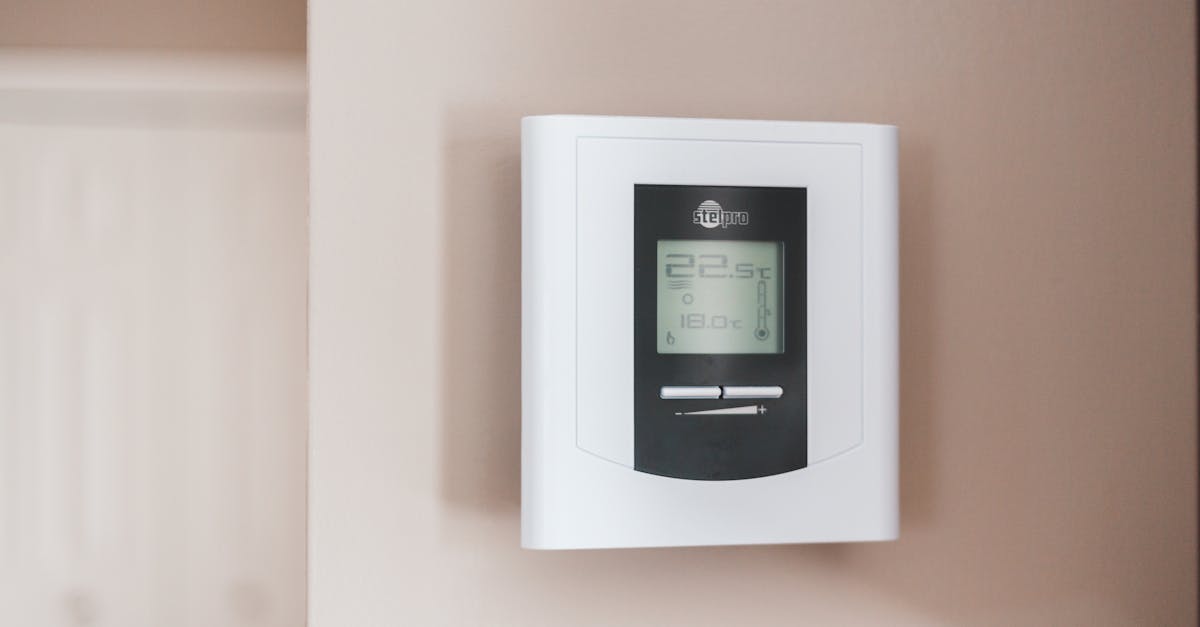
Temperature regulation has emerged as one of the most critical factors in sleep quality, leading to the development of sophisticated thermal management devices that precisely control body and environmental temperature throughout the night. Advanced systems like the ThermoSleep Pod and the CryoRest Cooling System utilize cutting-edge thermoelectric technology and phase-change materials to create optimal thermal environments that support natural circadian temperature rhythms. These devices recognize that core body temperature naturally drops during sleep initiation and can accelerate this process through targeted cooling of specific body regions, particularly the hands, feet, and head. The technology incorporates real-time temperature monitoring through non-invasive sensors that track skin temperature, core body temperature estimates, and environmental conditions to make continuous adjustments throughout the night. Advanced models feature dual-zone control for couples, allowing each person to maintain their optimal temperature preferences without compromising their partner's comfort. The integration of predictive algorithms can anticipate temperature needs based on sleep stage progression, automatically providing gentle warming during REM sleep phases when thermoregulation is naturally impaired. Research from the Thermal Sleep Laboratory indicates that optimal temperature regulation can improve sleep efficiency by up to 35% and reduce the time needed to fall asleep by an average of 20 minutes. The latest devices also incorporate humidity control and air circulation features to prevent the discomfort associated with excessive sweating or dry air, while smart connectivity enables integration with room climate control systems for comprehensive thermal management.
10. Wearable Sleep Optimization Devices - Continuous Monitoring and Intervention
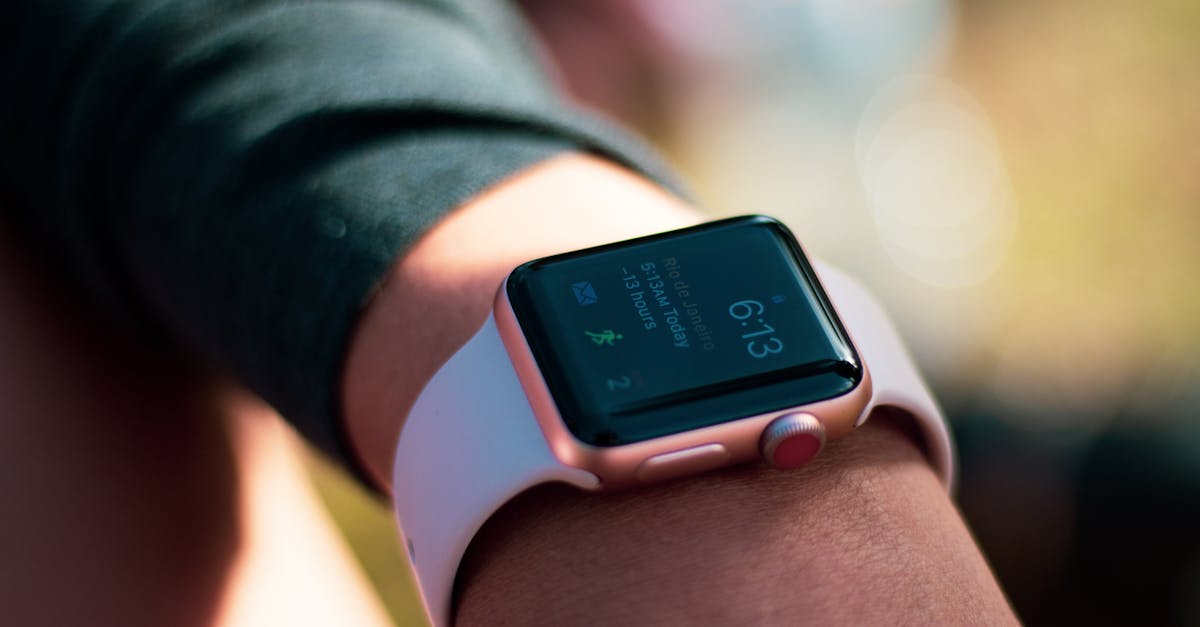
The latest generation of wearable sleep optimization devices represents the pinnacle of personal sleep technology, combining continuous monitoring capabilities with real-time intervention features that actively promote better sleep throughout the night. Devices such as the SleepGuardian Ring and the DreamOptimizer Patch utilize miniaturized sensors and advanced signal processing to monitor multiple physiological parameters including heart rate variability, respiratory patterns, skin conductance, and body movement with medical-grade accuracy. These wearables employ sophisticated algorithms that can detect early signs of sleep disturbances and automatically trigger gentle interventions such as vibrotactile stimulation, temperature adjustment, or guided breathing prompts to prevent full awakening. The technology incorporates machine learning models trained on vast datasets of sleep physiology to predict optimal sleep and wake times based on individual circadian patterns and sleep debt calculations. Advanced features include smart alarm systems that can detect the lightest sleep phases within a specified wake window, reducing sleep inertia and improving morning alertness. The integration of stress monitoring capabilities allows these devices to identify periods of elevated anxiety or physiological arousal that may interfere with sleep, providing real-time relaxation guidance through haptic feedback and breathing exercises. Clinical validation studies show that users of comprehensive wearable sleep optimization devices experience a 45% improvement in overall sleep quality scores and a 30% reduction in daytime fatigue. The devices also feature long-term trend analysis that can identify gradual changes in sleep patterns that may indicate underlying health issues, enabling proactive healthcare interventions.
11. Integration and Future Outlook - The Holistic Sleep Ecosystem
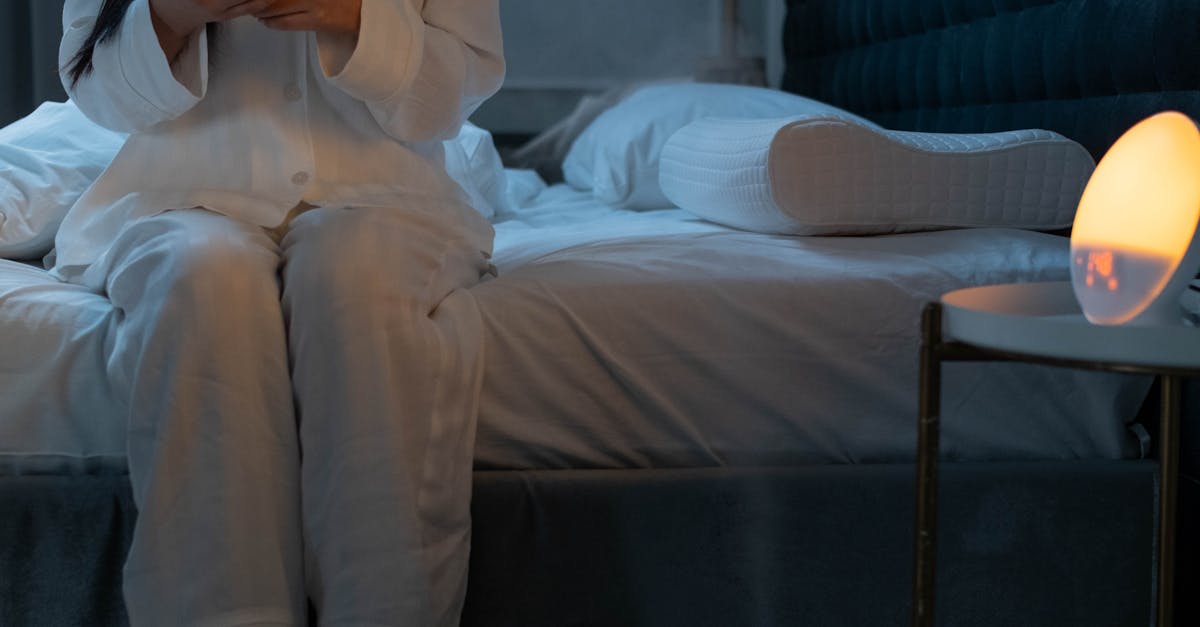
The future of sleep aid technology lies not in individual devices but in the seamless integration of multiple systems working together to create comprehensive sleep ecosystems tailored to individual needs and preferences. The most effective approach to managing insomnia in 2026 involves combining environmental control, wearable monitoring, therapeutic interventions, and behavioral modifications into cohesive treatment protocols that address the multifaceted nature of sleep disorders. Leading sleep technology platforms now offer unified control systems that coordinate smart mattresses, environmental controllers, light therapy devices, sound systems, and supplement dispensers through centralized AI management systems that learn and adapt to user responses over time. This integrated approach recognizes that sleep quality is influenced by numerous factors including circadian rhythms, stress levels, physical health, environmental conditions, and psychological state, requiring multidimensional solutions for optimal results. The emergence of sleep medicine telemedicine platforms enables healthcare providers to remotely monitor patient progress and adjust treatment protocols based on real-time data from connected devices, making professional sleep care more accessible and personalized than ever before. Looking ahead, developments in nanotechnology, advanced materials science, and neuroscience research promise even more sophisticated solutions, including implantable sleep monitors, smart contact lenses that regulate circadian rhythms, and targeted pharmaceutical interventions based on individual genetic profiles. The ultimate goal is to create a future where quality sleep is accessible to everyone through personalized, technology-enhanced solutions that work harmoniously with natural biological processes to restore
