
14 Best Glucose Monitors for Diabetics — Compared and Ranked
Blood glucose monitoring stands as the cornerstone of effective diabetes management, serving as both a diagnostic tool and a daily companion for millions of individuals worldwide. With diabetes affecting over 422 million people globally according to the World Health Organization, the selection of an appropriate glucose monitor can literally mean the difference between optimal health and serious complications. Modern glucose meters have evolved far beyond simple blood sugar readings, incorporating advanced features such as smartphone connectivity, trend analysis, and integration with comprehensive diabetes management platforms. The market offers an overwhelming array of options, from traditional fingerstick meters to revolutionary continuous glucose monitors, each designed to meet specific lifestyle needs, accuracy requirements, and budget considerations. This comprehensive analysis examines 14 of the most highly-regarded glucose monitoring systems available today, evaluating their accuracy, ease of use, cost-effectiveness, and innovative features. Whether you're newly diagnosed, seeking to upgrade your current monitoring system, or helping a loved one navigate their diabetes journey, understanding the nuances of these devices is essential for making an informed decision that will support long-term health outcomes and quality of life.
1. Understanding Glucose Monitor Technology and Accuracy Standards
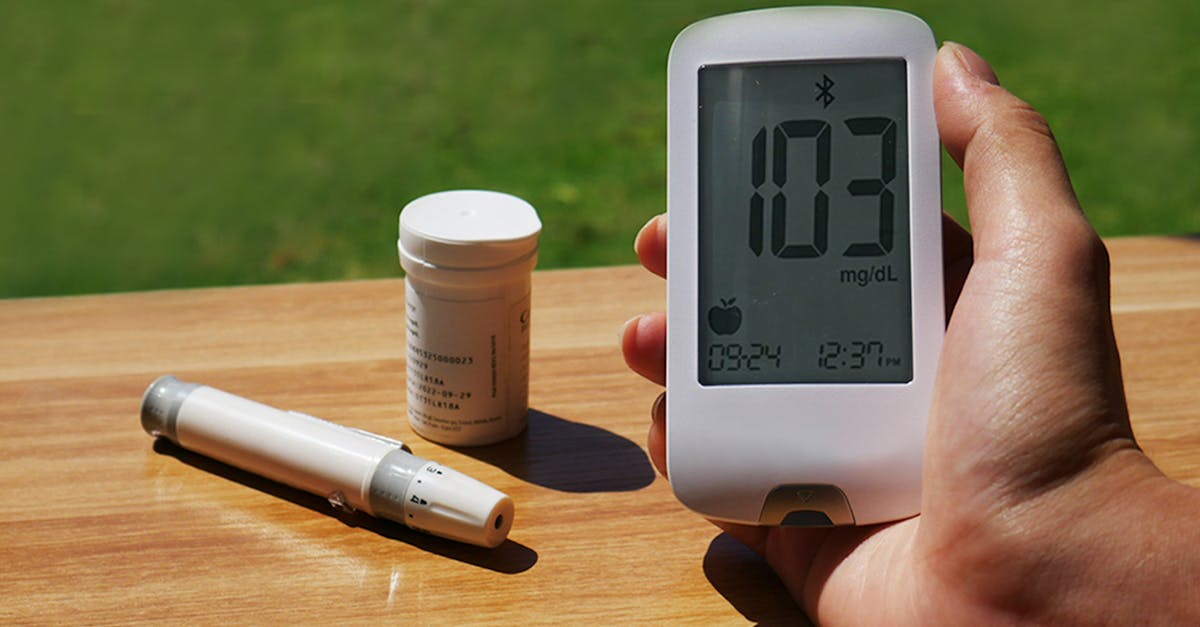
The foundation of effective diabetes management rests upon the accuracy and reliability of glucose monitoring technology, which has undergone remarkable advancement over the past two decades. Modern glucose meters utilize sophisticated biosensor technology, typically employing glucose oxidase or glucose dehydrogenase enzymes to catalyze reactions that generate measurable electrical currents proportional to blood glucose concentrations. The Food and Drug Administration mandates that glucose meters meet stringent accuracy standards, requiring 95% of readings to fall within ±15% of laboratory reference values for glucose concentrations above 100 mg/dL, and within ±15 mg/dL for concentrations below this threshold. However, real-world accuracy can vary significantly based on factors including hematocrit levels, ambient temperature, altitude, and proper calibration procedures. Leading manufacturers have invested heavily in advanced algorithms and error-checking mechanisms to minimize interference from common substances such as acetaminophen, vitamin C, and varying oxygen levels. Understanding these technical specifications becomes crucial when comparing devices, as even small variations in accuracy can compound over time, potentially leading to inappropriate treatment decisions. The most reliable monitors incorporate multiple quality control features, including automatic calibration, error detection systems, and temperature compensation, ensuring consistent performance across diverse environmental conditions and user scenarios.
2. Continuous Glucose Monitors vs. Traditional Blood Glucose Meters
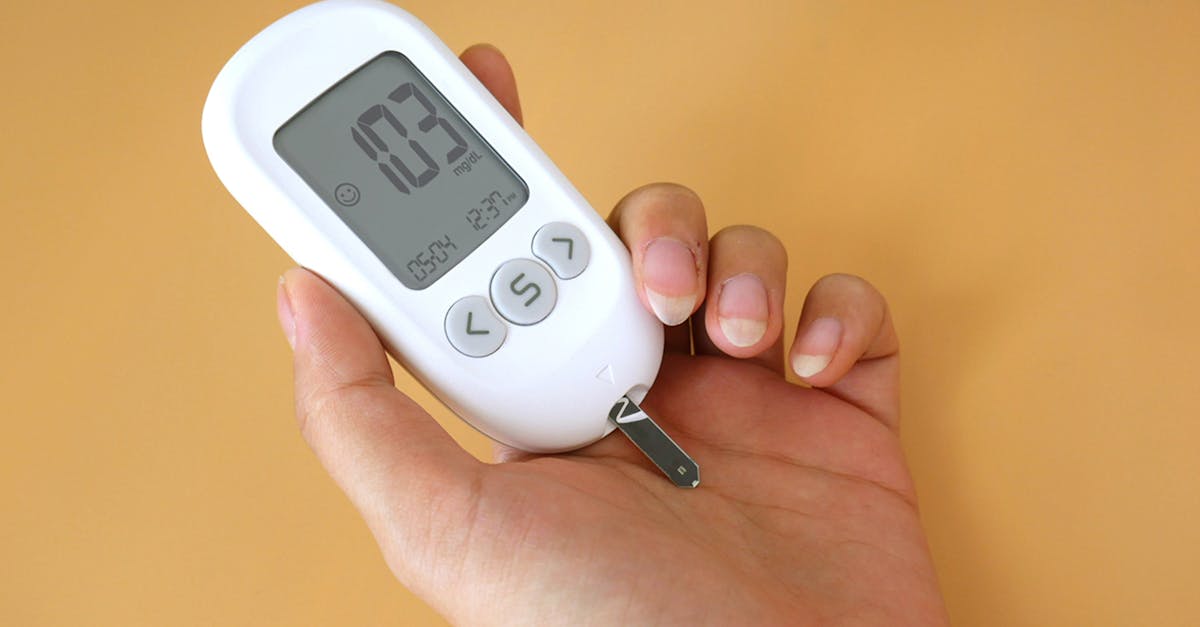
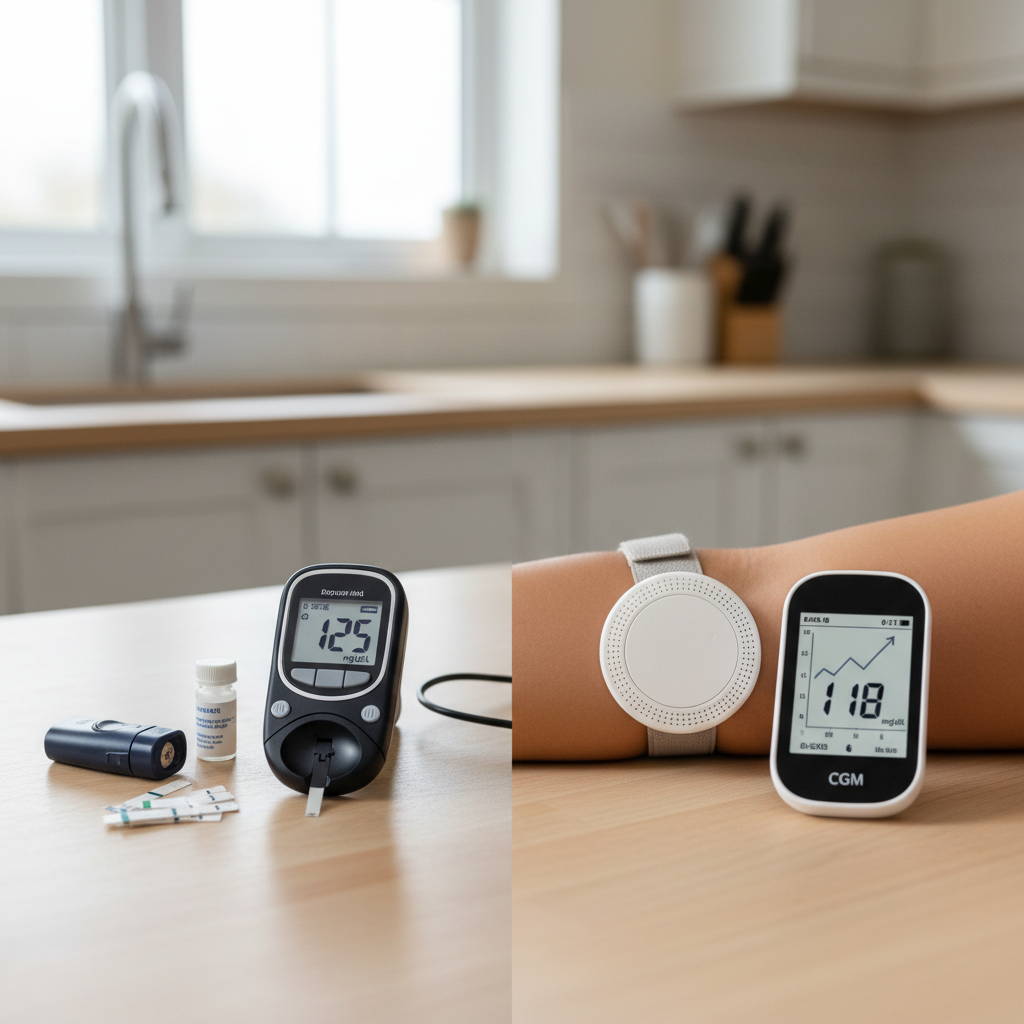
The diabetes monitoring landscape has been revolutionized by the emergence of continuous glucose monitors (CGMs), which offer fundamentally different approaches to glucose tracking compared to traditional fingerstick meters. Traditional blood glucose meters provide discrete point-in-time measurements, requiring users to perform multiple daily tests to capture glucose trends and patterns. While these devices remain highly accurate and cost-effective, they offer limited insight into glucose variability and can miss critical highs and lows that occur between testing intervals. Continuous glucose monitors, conversely, measure interstitial glucose levels every minute through a small sensor inserted under the skin, providing up to 288 readings per day and comprehensive trend data. This technology enables users to observe real-time glucose patterns, receive alerts for impending highs or lows, and make more informed decisions about insulin dosing, meal timing, and exercise. However, CGMs typically require calibration with traditional meters and may have slight delays in reflecting rapid glucose changes due to the physiological lag between blood and interstitial glucose levels. The choice between these technologies often depends on individual factors including diabetes type, treatment complexity, lifestyle demands, insurance coverage, and personal preferences for data granularity versus simplicity. Many diabetes specialists now recommend CGMs for individuals with type 1 diabetes or those with type 2 diabetes requiring intensive insulin management, while traditional meters remain excellent options for those with stable, well-controlled diabetes.
3. Top-Tier Premium Glucose Monitors: FreeStyle Libre 3 and Dexcom G7
The premium segment of glucose monitoring is dominated by two exceptional continuous glucose monitoring systems that represent the pinnacle of current technology: the FreeStyle Libre 3 and the Dexcom G7. The FreeStyle Libre 3 distinguishes itself as the world's smallest and thinnest CGM sensor, measuring just 2.9mm in height with a 14-day wear duration and real-time glucose readings transmitted automatically to smartphones every minute. This system eliminates the need for routine fingerstick calibrations and provides customizable alarms for high and low glucose events, making it particularly appealing for users seeking minimal daily maintenance. The device demonstrates exceptional accuracy with a mean absolute relative difference (MARD) of 7.9% and offers seamless integration with the FreeStyle LibreLink app, enabling comprehensive data sharing with healthcare providers and family members. The Dexcom G7, meanwhile, represents a significant evolution from its predecessor, featuring a 60% smaller profile, 10-day wear time, and the fastest warm-up period in the CGM market at just 30 minutes. Its standout feature is the integrated transmitter and sensor design, eliminating separate components and reducing user complexity. The G7 boasts a MARD of 8.2% and offers the most comprehensive smartphone integration available, including Apple Watch compatibility and predictive low glucose alerts up to 20 minutes in advance. Both systems support multiple user profiles, making them excellent choices for pediatric applications, and offer robust data analytics that help users and healthcare providers identify patterns and optimize treatment strategies.
4. Mid-Range Excellence: Contour Next One and OneTouch Verio Reflect
The mid-range glucose monitor category offers exceptional value propositions through devices that balance advanced features with affordability, exemplified by the Contour Next One and OneTouch Verio Reflect systems. The Contour Next One has garnered widespread acclaim for its remarkable accuracy, consistently ranking among the top performers in independent accuracy studies with results often exceeding FDA requirements. This meter features Bluetooth connectivity enabling seamless data transfer to the Contour Diabetes app, which provides comprehensive glucose pattern analysis, medication reminders, and the ability to log meals, exercise, and other diabetes-related factors. The device's Second-Chance sampling technology allows users to apply additional blood to the same test strip within 60 seconds if the initial sample was insufficient, reducing waste and improving user experience. Its smartLIGHT feature provides immediate visual feedback through color-coded results, making it particularly valuable for users who prefer quick visual cues over detailed numerical analysis. The OneTouch Verio Reflect elevates traditional glucose monitoring through its innovative ColorSure technology, which uses a dynamic color range to indicate whether glucose levels are within, above, or below target ranges. This meter incorporates sophisticated pattern detection algorithms that automatically identify recurring high or low glucose events, providing personalized insights without requiring complex data analysis skills. The device stores up to 750 test results with date and time stamps, and its large, backlit display ensures excellent visibility in various lighting conditions. Both meters demonstrate exceptional reliability in diverse environmental conditions and offer comprehensive customer support programs, making them ideal choices for users seeking advanced features without the complexity or cost of continuous monitoring systems.
5. Budget-Friendly Champions: Accu-Chek Guide and OneTouch Ultra 2
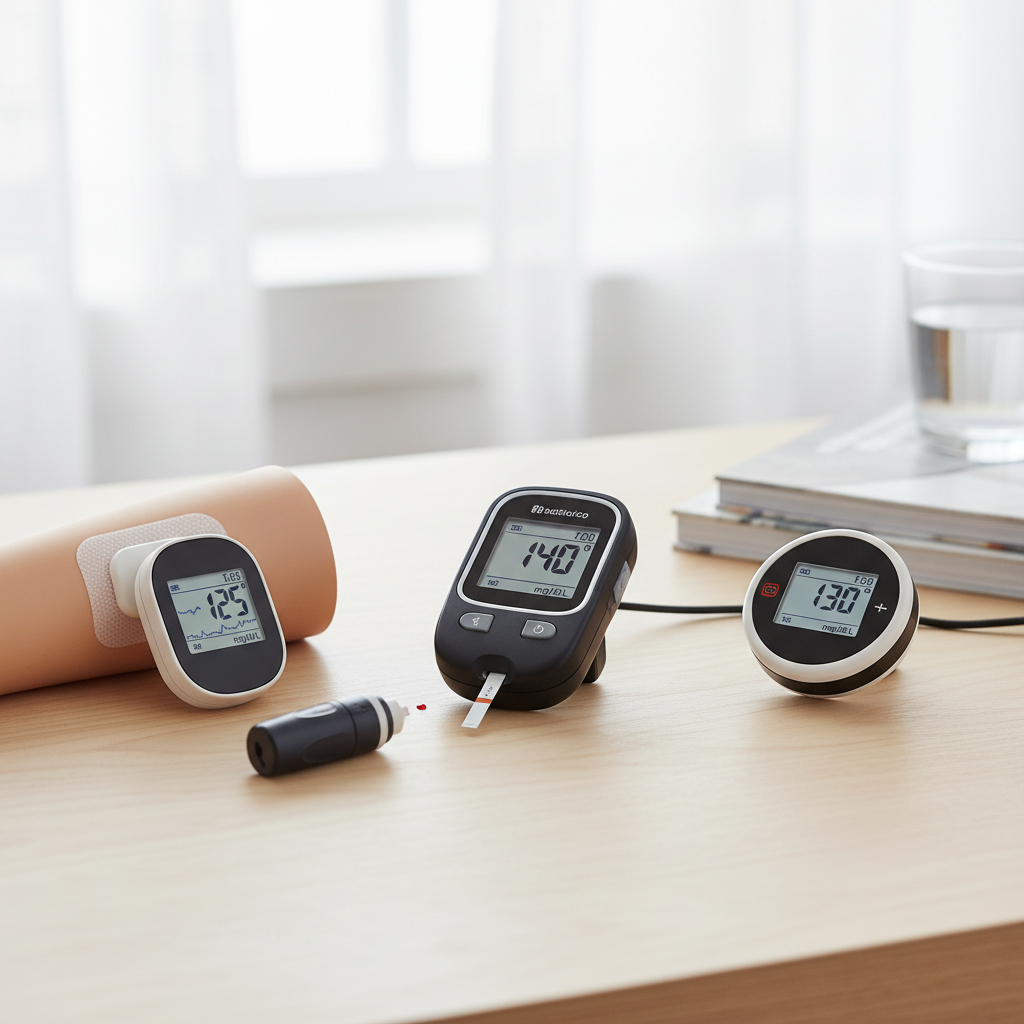
Budget-conscious individuals managing diabetes need not compromise on quality or reliability, as demonstrated by the exceptional value offered by the Accu-Chek Guide and OneTouch Ultra 2 glucose monitoring systems. The Accu-Chek Guide represents a masterclass in affordable precision, featuring the innovative Accu-Chek Guide test strips with a unique spill-resistant SmartPack vial that prevents contamination and extends strip shelf life. This meter delivers laboratory-quality accuracy at a fraction of the cost of premium alternatives, with results available in just four seconds using a minimal 0.6 microliter blood sample. The device's large, easy-to-read display and simple three-button operation make it particularly suitable for elderly users or those with dexterity challenges, while its robust construction ensures reliable performance across temperature ranges from 32°F to 104°F. The meter stores up to 720 test results and calculates 7, 14, and 30-day averages, providing valuable trend information without requiring smartphone connectivity. The OneTouch Ultra 2, while representing older technology, continues to earn praise for its unwavering reliability and straightforward operation. This meter has been extensively validated in clinical settings and maintains an excellent track record for accuracy and durability. Its five-second test time and 0.5 microliter sample size make testing quick and comfortable, while the large display with high contrast ensures excellent readability. The device's 500-test memory with date and time stamps provides adequate data storage for most users, and its proven track record makes it a trusted choice for healthcare providers working with patients who prioritize simplicity and dependability over advanced features.
6. Advanced Connectivity Features: Smartphone Integration and Data Management
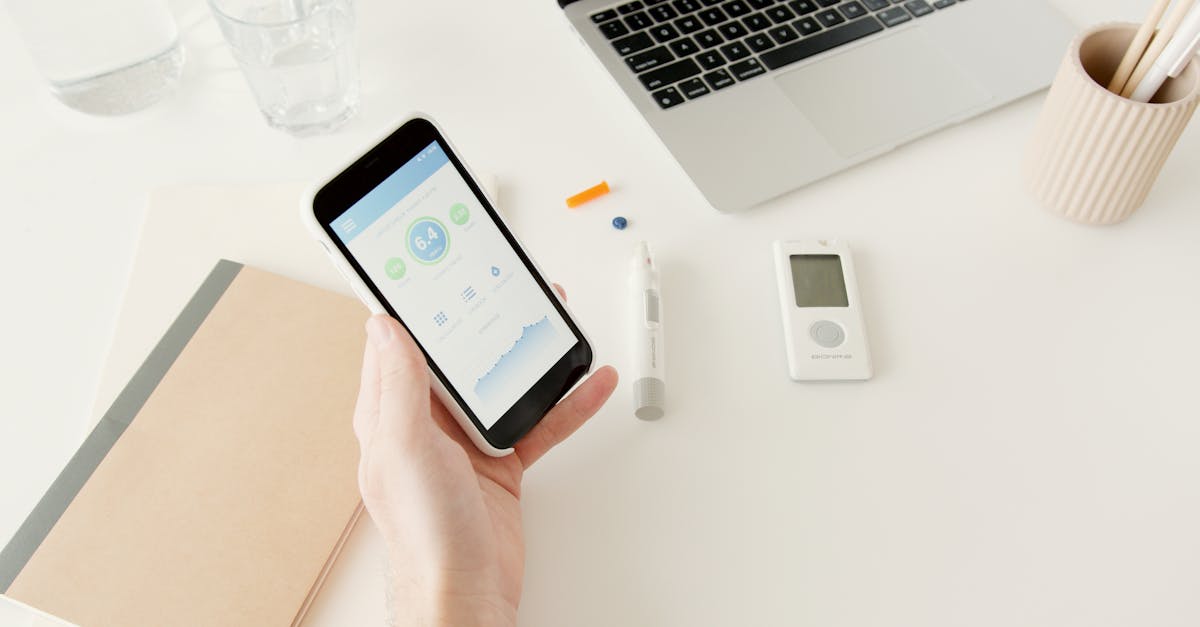
The integration of glucose monitors with smartphone technology has transformed diabetes management from a series of isolated measurements into a comprehensive health monitoring ecosystem. Modern glucose monitoring systems leverage Bluetooth and near-field communication technologies to automatically transfer readings to dedicated mobile applications, eliminating manual logbook maintenance and reducing the risk of data entry errors. Leading applications such as the Dexcom G7 app, FreeStyle LibreLink, and Contour Diabetes app offer sophisticated data visualization tools that transform raw glucose readings into actionable insights through trend graphs, pattern recognition algorithms, and predictive analytics. These platforms enable users to correlate glucose patterns with meals, exercise, medication timing, and stress levels, facilitating more precise diabetes management decisions. Advanced features include customizable alert systems that can notify users and designated family members of impending glucose excursions, automatic data sharing with healthcare providers through secure cloud platforms, and integration with other health monitoring devices such as fitness trackers and smart scales. The most sophisticated systems offer artificial intelligence-powered insights that learn from individual glucose patterns and provide personalized recommendations for optimizing diabetes management strategies. Smartphone integration also enables remote monitoring capabilities, allowing parents to track their children's glucose levels in real-time or enabling caregivers to monitor elderly family members. However, users must consider privacy implications and ensure their chosen systems comply with healthcare data protection regulations while providing the connectivity features that best support their individual management needs and lifestyle preferences.
7. Accuracy Comparison: Clinical Studies and Real-World Performance
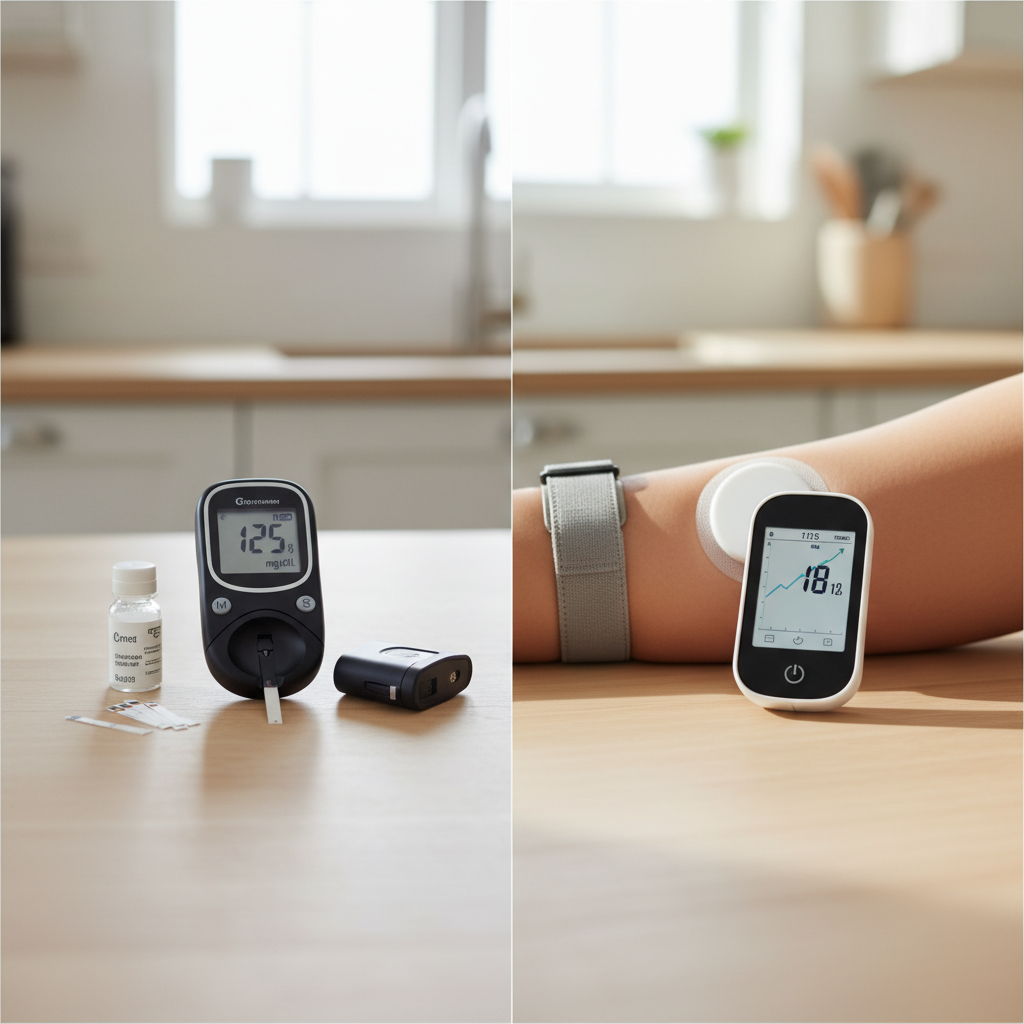
Accuracy represents the most critical factor in glucose monitor selection, as even small measurement errors can compound over time and lead to inappropriate treatment decisions with potentially serious health consequences. Comprehensive clinical studies comparing glucose monitor accuracy typically employ the International Organization for Standardization (ISO) 15197:2013 standard, which requires 95% of readings to fall within ±15 mg/dL of reference values for glucose concentrations below 100 mg/dL, and within ±15% for concentrations above this threshold. Independent accuracy studies consistently demonstrate significant variations between different glucose monitoring systems, with some devices achieving mean absolute relative differences (MARD) as low as 5-7%, while others may exceed 10-12%. The Contour Next One and Accu-Chek Guide consistently rank among the most accurate traditional meters in independent testing, often outperforming more expensive alternatives. Continuous glucose monitors present unique accuracy considerations due to the physiological lag between blood and interstitial glucose measurements, typically ranging from 5-15 minutes during periods of rapid glucose change. The Dexcom G7 and FreeStyle Libre 3 both demonstrate exceptional accuracy for CGM systems, with MARD values below 8.5% in most clinical studies. Real-world accuracy can be influenced by numerous factors including proper coding procedures, adequate blood sample size, environmental conditions, and user technique. Hematocrit levels, medication interference, and altitude can also affect accuracy, making it essential for users to understand their monitor's specific limitations and follow manufacturer guidelines meticulously. Regular accuracy verification through comparison with laboratory values or alternative meters can help ensure optimal performance and identify potential issues before they impact diabetes management decisions.
8. Cost Analysis: Initial Investment vs. Long-Term Operating Expenses
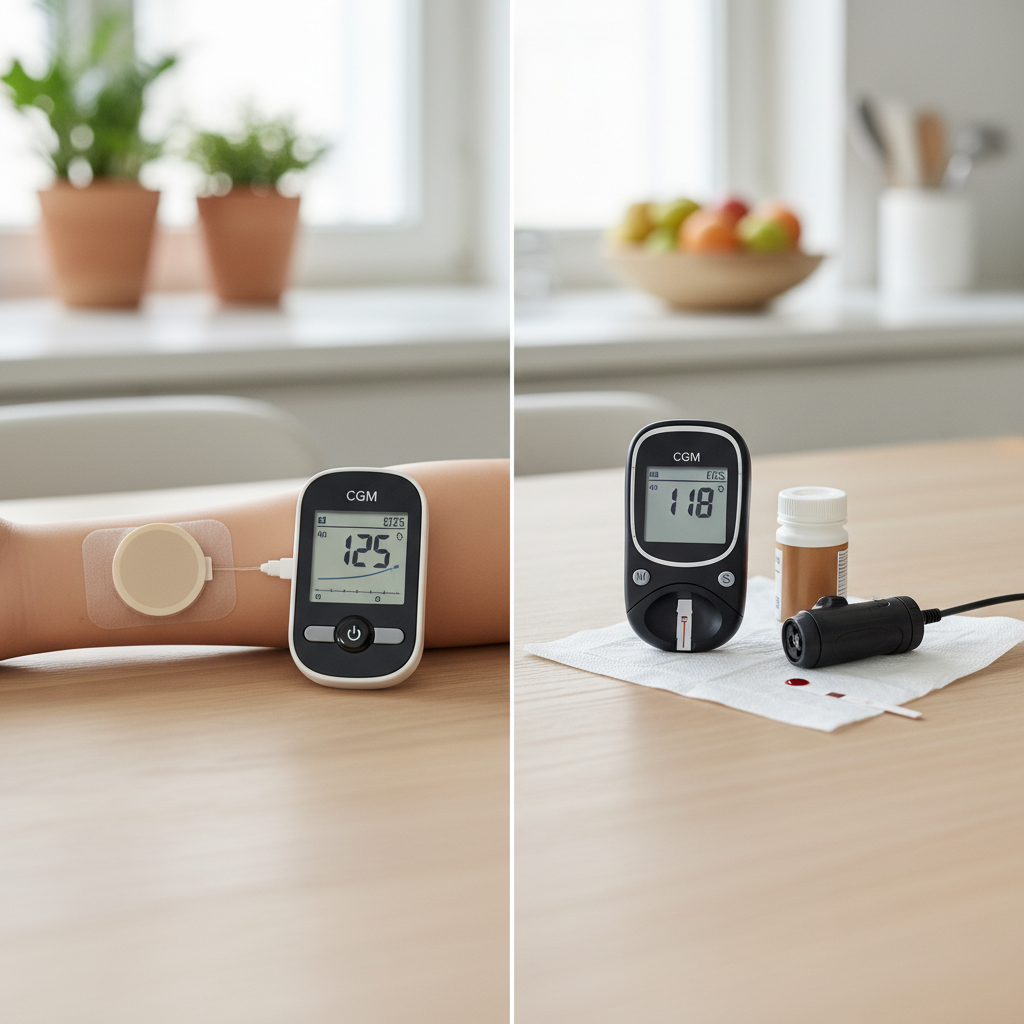
The financial implications of glucose monitoring extend far beyond the initial meter purchase price, requiring careful analysis of long-term operating expenses that can significantly impact household budgets over time. Traditional glucose meters typically involve minimal upfront costs, often ranging from $10-50 for the device itself, but ongoing test strip expenses can accumulate substantially, with individual strips costing $0.50-2.00 depending on the brand and insurance coverage. For individuals testing four times daily, annual test strip costs can range from $700-3,000, making strip pricing a more significant factor than meter cost in long-term financial planning. Continuous glucose monitors involve higher initial investments, with sensors costing $60-90 for 10-14 day wear periods, resulting in annual expenses of $1,500-3,500 before insurance considerations. However, CGMs may reduce overall healthcare costs by improving glucose control and reducing the risk of expensive diabetes complications. Insurance coverage varies dramatically between different monitoring systems and individual plans, with some insurers covering CGMs only for individuals with type 1 diabetes or those requiring intensive insulin management. Medicare and Medicaid coverage has expanded significantly for CGM systems, but specific eligibility requirements and coverage limitations must be carefully reviewed. Generic test strips and mail-order pharmacy programs can substantially reduce costs for traditional monitoring, while manufacturer assistance programs and pharmacy discount cards may provide additional savings opportunities. When evaluating total cost of ownership, users should consider not only direct expenses but also the potential value of improved glucose control, reduced healthcare utilization, and enhanced quality of life that more advanced monitoring systems may provide.
9. Ease of Use and User Experience: Design and Interface Considerations
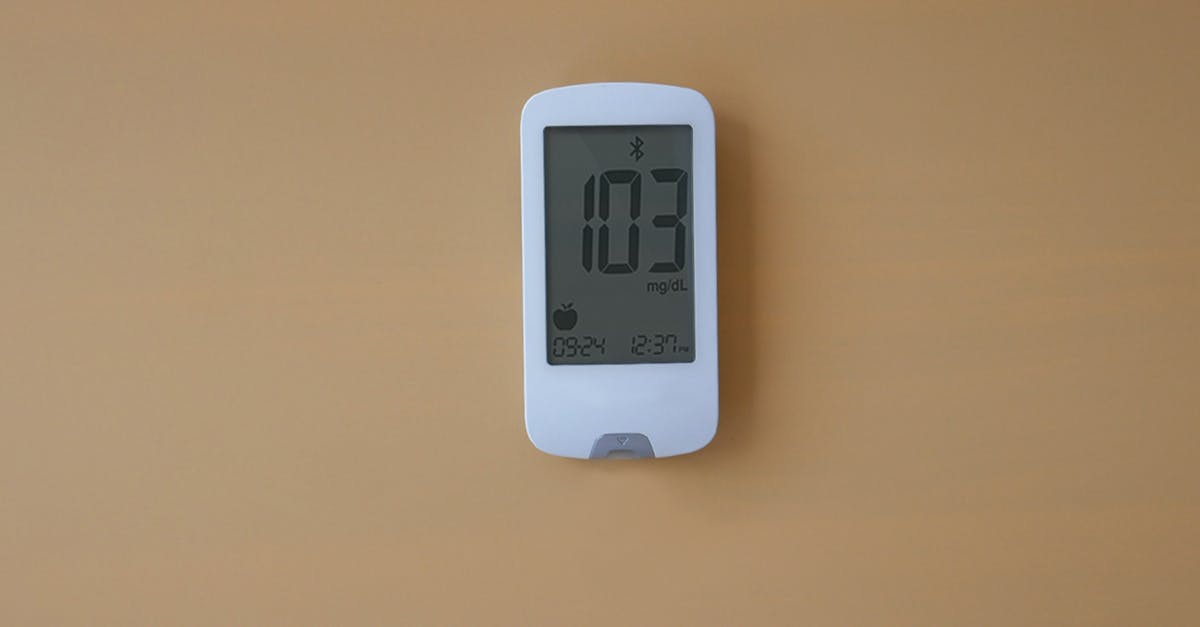
The user experience of glucose monitoring devices significantly impacts adherence to testing regimens and overall diabetes management success, making ease of use a critical factor in device selection. Modern glucose meters prioritize intuitive design through large, high-contrast displays that remain easily readable in various lighting conditions, simplified button layouts that minimize user confusion, and ergonomic form factors that accommodate users with dexterity limitations or visual impairments. The most user-friendly devices feature automatic coding or no-code test strips that eliminate the potential for user error in meter setup, while others incorporate visual and audible confirmations to ensure proper test strip insertion and adequate blood sample application. Advanced meters like the OneTouch Verio Reflect utilize color-coded results that provide immediate visual feedback about glucose levels relative to target ranges, reducing the cognitive burden of interpreting numerical values. Continuous glucose monitors have revolutionized user experience by eliminating the need for routine fingerstick testing, with sensors that can be applied quickly and worn comfortably for extended periods. The insertion process for CGM sensors has been simplified through automated applicators that reduce anxiety and ensure proper sensor placement. Smartphone applications associated with modern glucose monitors feature intuitive interfaces that present complex data in easily digestible formats, with customizable dashboards that allow users to prioritize the information most relevant to their individual needs. Voice-guided instructions, large font options, and compatibility with accessibility features ensure that glucose monitoring remains accessible to users with various physical limitations. The most successful glucose monitoring systems balance sophisticated functionality with straightforward operation, recognizing that consistent daily use depends more on user comfort and confidence than on advanced technical features.
## Section 11: Special Considerations for Different User Groups: Pediatric, Elderly, and Active Lifestyles
Glucose monitoring needs vary significantly across different user demographics, requiring specialized consideration of features and capabilities that address unique lifestyle demands and physical requirements. Pediatric diabetes management presents distinct challenges that modern glucose monitors address through child-friendly designs, enhanced safety features, and family-oriented connectivity options. Continuous glucose monitors like the Dexcom G7 and FreeStyle Libre 3 offer particular advantages for children by reducing the frequency of fingerstick testing, providing real-time alerts that can prevent dangerous glucose excursions during sleep or school hours, and enabling parents to monitor their children's glucose levels remotely through smartphone applications. Pediatric-specific features include smaller sensor profiles that are less noticeable and more comfortable for active children, adhesive options designed for sensitive skin, and colorful receiver options that make diabetes management less intimidating. Elderly users benefit from glucose monitors that prioritize simplicity and readability, with large displays, high-contrast screens, and simplified operation procedures that accommodate age-related changes in vision and dexterity. Devices like the Accu-Chek Guide feature large, easy-to-handle test strips and clear audio prompts that guide users through the testing process. For elderly individuals with cognitive challenges, meters with automatic data storage and simplified result interpretation can support independent diabetes management while providing family members with access to glucose data through connected applications. Active individuals and athletes require glucose monitors that can withstand physical activity, moisture exposure, and temperature variations while providing rapid, accurate results that support exercise-related diabetes management decisions. Continuous glucose monitors excel in active lifestyles by providing real-time glucose trends that help users adjust food intake, insulin dosing, and exercise intensity to maintain optimal glucose control during physical activity.
10. Integration with Diabetes Management Ecosystems and Healthcare Providers
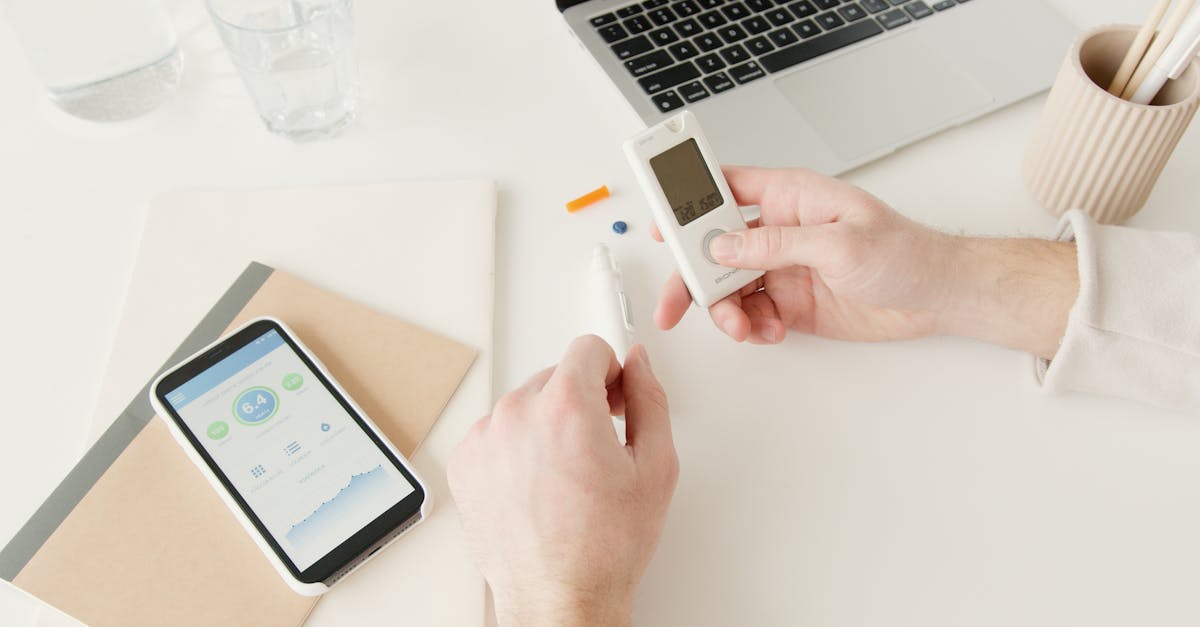
Modern glucose monitoring has evolved beyond standalone devices to become integral components of comprehensive diabetes management ecosystems that connect patients, healthcare providers, and family members through sophisticated data sharing platforms. Leading glucose monitoring systems offer seamless integration with electronic health records, enabling healthcare providers to access real-time glucose data between office visits and make more informed treatment adjustments based on comprehensive glucose patterns rather than isolated readings. The Dexcom G7 and FreeStyle Libre 3 systems exemplify this integration through cloud-based platforms that automatically compile glucose data, generate detailed reports, and provide healthcare providers with actionable insights into patient glucose control. These systems support remote patient monitoring programs that have become increasingly important in modern healthcare delivery, allowing endocrinologists and diabetes educators to identify concerning glucose patterns and intervene proactively before serious complications develop. Advanced integration features include automatic insulin pump communication for hybrid closed-loop systems, compatibility with popular diabetes management applications like MySugr and Glucose Buddy, and integration with fitness tracking devices that provide comprehensive lifestyle data. Healthcare provider portals associated with modern glucose monitoring systems offer sophisticated analytics tools that identify glucose variability patterns, medication adherence issues, and lifestyle factors that impact glucose control. The most advanced systems utilize artificial intelligence algorithms to analyze glucose patterns and provide personalized recommendations for optimizing diabetes management strategies. However, successful ecosystem integration requires careful attention to data privacy and security considerations, ensuring that sensitive health information is protected while enabling the connectivity features that support optimal diabetes care. Users should evaluate the compatibility of potential glucose monitoring systems with their healthcare provider's preferred platforms and their own technology ecosystem to maximize the benefits of integrated
