
18 Best Vitamins and Supplements for Immune Support in 2026
As we navigate through 2026, the landscape of immune support has undergone a remarkable transformation, driven by cutting-edge research, technological advances, and a deeper understanding of the intricate mechanisms that govern our body's defense systems. The global health challenges of recent years have fundamentally shifted our perspective on preventive healthcare, making immune support not just a seasonal consideration but a year-round priority. Today's approach to immune wellness extends far beyond traditional vitamin C tablets, encompassing a sophisticated array of scientifically-backed nutrients, adaptogens, and bioactive compounds that work synergistically to optimize immune function. From precision-formulated micronutrients that target specific immune pathways to innovative delivery systems that enhance bioavailability, the modern immune support arsenal represents the convergence of ancient wisdom and contemporary science. This comprehensive exploration of the 18 best vitamins and supplements for immune support in 2026 reflects the latest research findings, clinical trials, and expert recommendations, providing you with evidence-based insights to make informed decisions about your immune health strategy. Each supplement discussed has been carefully selected based on its proven efficacy, safety profile, and ability to address the complex, multi-faceted nature of immune system optimization in our current health landscape.
1. Vitamin D3 - The Sunshine Vitamin's Immune Mastery
Vitamin D3 continues to reign supreme as one of the most critical nutrients for immune system regulation, with 2026 research revealing even more sophisticated mechanisms by which this hormone-like vitamin orchestrates immune responses. Beyond its well-established role in calcium metabolism, vitamin D3 functions as a powerful immune modulator, influencing both innate and adaptive immunity through its interaction with vitamin D receptors found throughout immune cells. Recent studies have demonstrated that optimal vitamin D3 levels (between 40-60 ng/mL) can reduce the risk of respiratory infections by up to 42%, while also playing a crucial role in preventing autoimmune conditions by promoting regulatory T-cell function. The vitamin's ability to enhance the antimicrobial peptide production in immune cells, particularly cathelicidin and defensins, provides a first line of defense against pathogens. Modern formulations now incorporate advanced delivery systems, including liposomal encapsulation and nanoemulsion technology, which significantly improve absorption rates compared to traditional oil-based capsules. For individuals living in northern climates or those with limited sun exposure, maintaining adequate vitamin D3 levels through supplementation has become essential, with most experts recommending doses between 2,000-5,000 IU daily, depending on baseline levels and individual factors such as body weight, skin pigmentation, and geographic location.
2. Vitamin C - Enhanced Bioavailability and Immune Excellence
While vitamin C has long been recognized as an immune system cornerstone, 2026 has witnessed revolutionary advances in vitamin C formulation and delivery that have dramatically enhanced its therapeutic potential. Traditional ascorbic acid supplements, while effective, are limited by rapid excretion and gastrointestinal tolerance issues at higher doses. Modern vitamin C formulations now utilize buffered forms such as sodium ascorbate and magnesium ascorbate, along with time-release technologies that maintain steady blood levels throughout the day. Liposomal vitamin C has emerged as a game-changer, with studies showing up to 90% bioavailability compared to 20% for standard oral forms. This enhanced absorption allows for achieving therapeutic blood levels previously only possible through intravenous administration. Vitamin C's immune benefits extend beyond its antioxidant properties to include stimulation of white blood cell production, enhancement of interferon synthesis, and support for the integrity of epithelial barriers that serve as the body's first line of defense. The vitamin also plays a crucial role in collagen synthesis, which is essential for maintaining the structural integrity of skin and mucous membranes. Current research indicates that optimal immune support requires doses of 1,000-3,000mg daily, divided throughout the day, with higher amounts during periods of stress or illness. The combination of vitamin C with bioflavonoids, particularly quercetin and rutin, has shown synergistic effects that enhance both absorption and immune-modulating activity.
3. Zinc - The Immune System's Gatekeeper
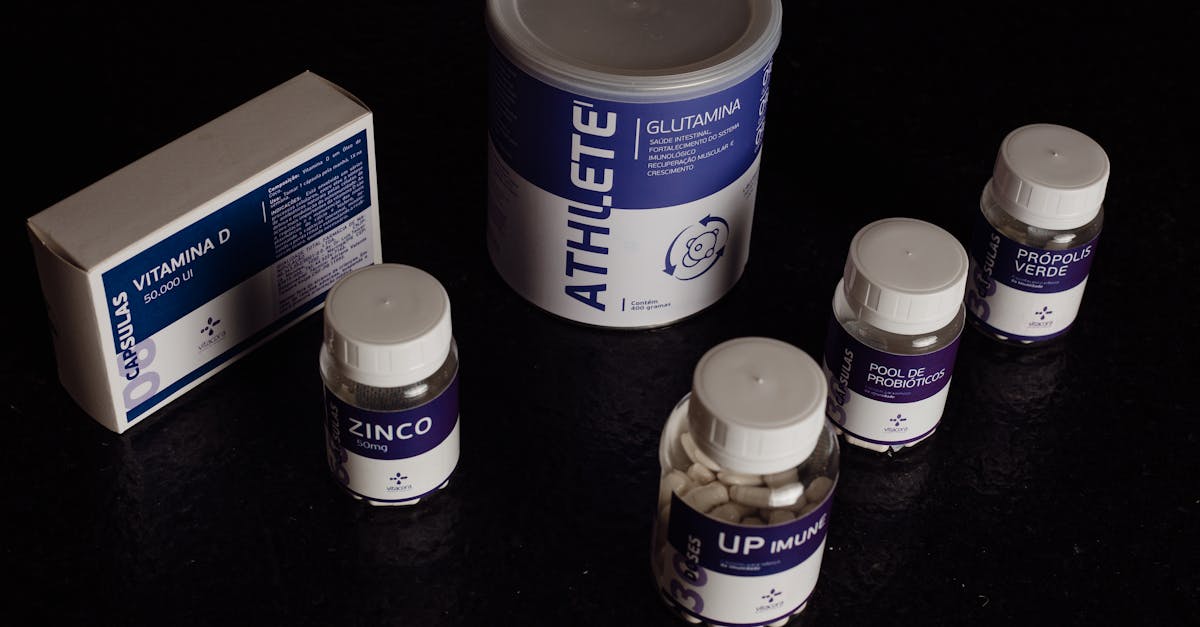
Zinc has emerged as one of the most critical trace minerals for immune function, with 2026 research revealing its role as a fundamental regulator of immune cell development, activation, and signaling. This essential mineral is involved in over 300 enzymatic reactions and serves as a cofactor for numerous proteins involved in immune surveillance and response. Zinc deficiency, even in mild forms, can significantly impair immune function, leading to increased susceptibility to infections and delayed wound healing. The mineral's immune benefits are multifaceted: it supports the development and function of neutrophils, natural killer cells, and T-lymphocytes, while also maintaining the integrity of skin and mucosal barriers. Recent studies have shown that zinc supplementation can reduce the duration of common cold symptoms by up to 33% when taken within 24 hours of symptom onset. Modern zinc formulations have addressed previous absorption and tolerability issues through chelated forms such as zinc bisglycinate and zinc picolinate, which offer superior bioavailability and reduced gastrointestinal side effects compared to zinc sulfate. The optimal dosage for immune support ranges from 15-30mg daily, with higher therapeutic doses of 75-100mg used short-term during acute illness. Timing is crucial, as zinc is best absorbed on an empty stomach but may cause nausea, so many practitioners recommend taking it with a small amount of food. The synergistic relationship between zinc and vitamin C has led to combination formulations that optimize the immune benefits of both nutrients.
4. Elderberry Extract - Nature's Antiviral Powerhouse
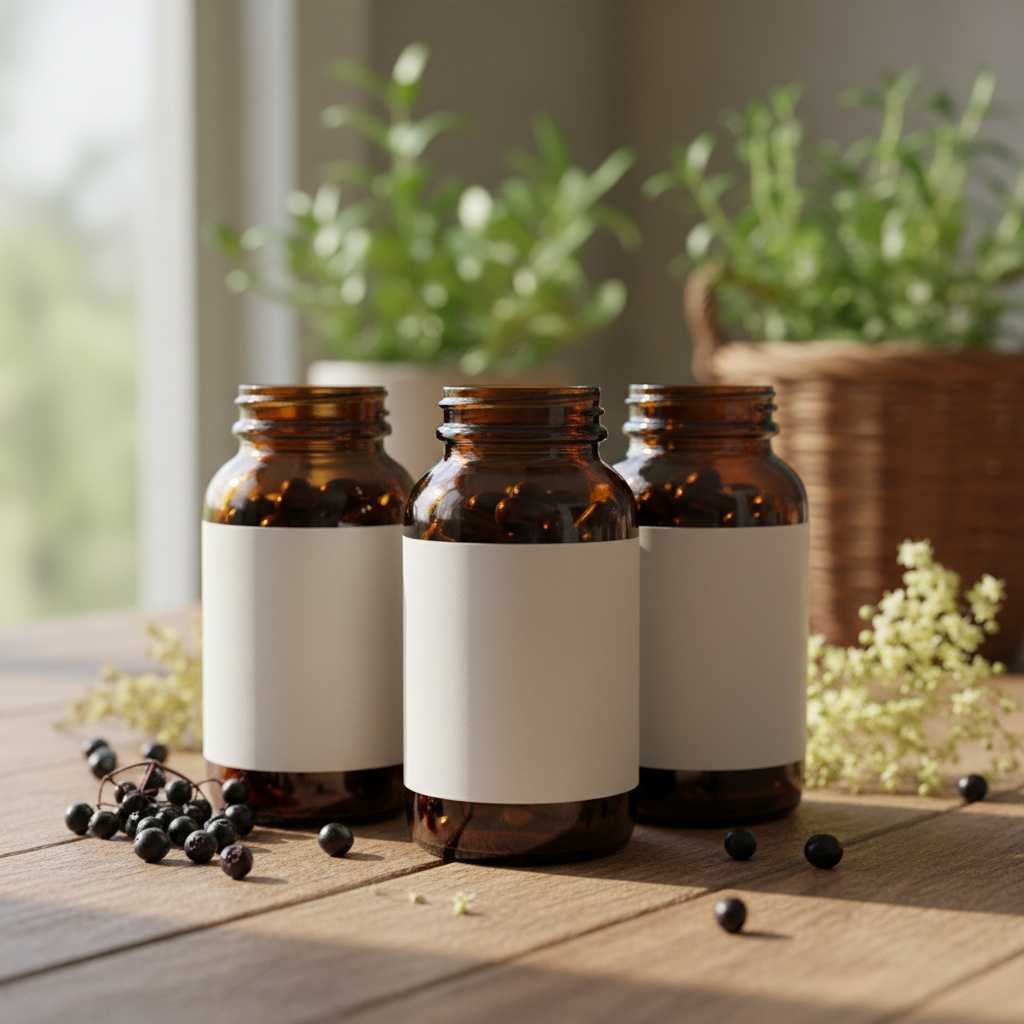
Elderberry (Sambucus canadensis) has gained significant recognition in 2026 as one of nature's most potent antiviral compounds, with extensive research validating its traditional use for immune support and respiratory health. The deep purple berries contain high concentrations of anthocyanins, particularly cyanidin-3-glucoside and cyanidin-3-sambubioside, which demonstrate remarkable antiviral activity against influenza A and B, as well as other respiratory viruses. Clinical studies have shown that elderberry extract can reduce the duration and severity of flu symptoms by up to 4 days when taken at the onset of illness. The mechanism of action involves inhibiting viral replication by preventing the virus from attaching to and penetrating host cells, while also modulating immune responses to reduce excessive inflammation. Modern elderberry supplements utilize standardized extracts that guarantee consistent levels of active anthocyanins, typically standardized to contain 13-14% anthocyanins. Advanced extraction methods, including supercritical CO2 extraction and water-ethanol extraction, preserve the delicate bioactive compounds while eliminating potentially harmful compounds found in raw elderberries. The recommended dosage for immune support is 300-600mg of standardized extract daily, with therapeutic doses of up to 1,200mg during acute illness. Elderberry's safety profile is excellent, making it suitable for long-term use and appropriate for children and adults alike. The synergistic combination of elderberry with other immune-supporting nutrients like vitamin C and zinc has become increasingly popular, offering comprehensive immune protection in convenient formulations.
5. Probiotics - Gut Health as the Foundation of Immunity
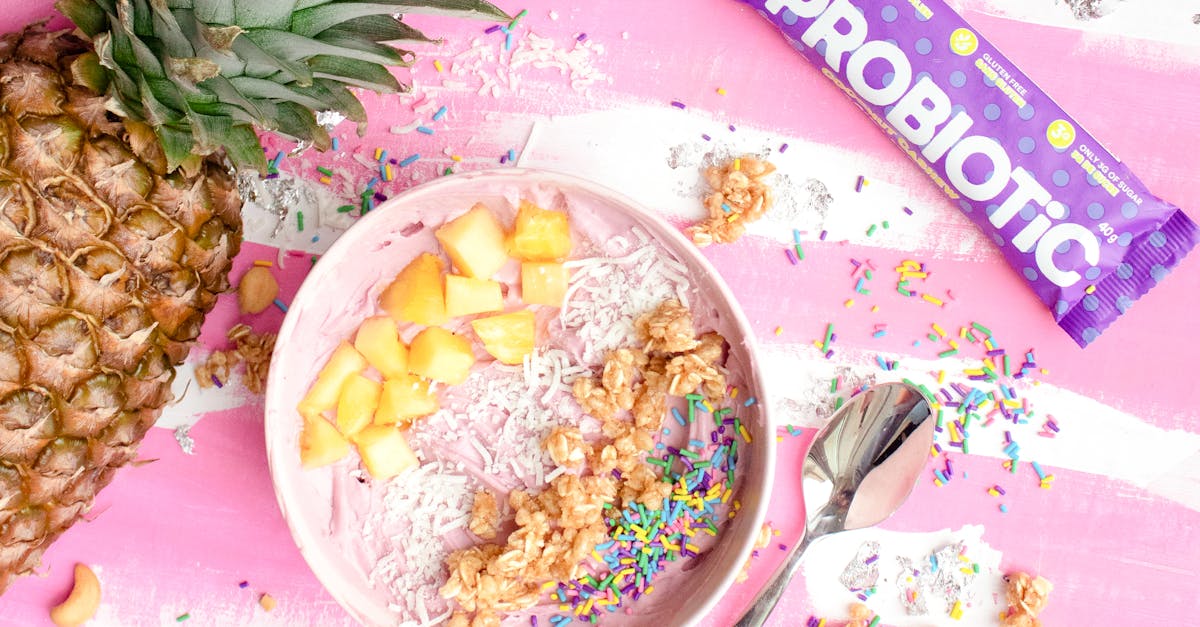
The revolutionary understanding of the gut-immune axis has positioned probiotics as essential components of comprehensive immune support strategies in 2026. With approximately 70% of the immune system located in the gut-associated lymphoid tissue (GALT), maintaining optimal gut microbiome diversity and balance has become recognized as fundamental to immune health. Modern probiotic formulations have evolved far beyond simple Lactobacillus and Bifidobacterium strains to include carefully researched, strain-specific bacteria with documented immune benefits. Key strains such as Lactobacillus rhamnosus GG, Bifidobacterium lactis HN019, and Lactobacillus casei Shirota have demonstrated significant immune-modulating effects in clinical trials, including reduced incidence of respiratory infections, enhanced vaccine responses, and improved recovery from illness. The mechanisms by which probiotics support immunity include strengthening the intestinal barrier function, producing antimicrobial compounds, modulating inflammatory responses, and promoting the development of regulatory immune cells. Advanced probiotic supplements now utilize sophisticated delivery systems, including enteric-coated capsules and freeze-dried formulations that ensure viable bacteria reach the intestinal tract. Multi-strain formulations containing 10-50 billion CFU (colony-forming units) have shown superior benefits compared to single-strain products, with diversity being key to establishing a resilient microbiome. The timing of probiotic supplementation has also been refined, with research indicating that taking probiotics away from meals and antibiotics optimizes colonization. Prebiotic fibers are increasingly included in formulations to provide nourishment for beneficial bacteria, creating a synbiotic effect that enhances overall efficacy.
6. Quercetin - The Master Flavonoid for Immune Modulation
Quercetin has emerged as one of the most promising natural compounds for immune support in 2026, earning recognition as a master regulator of immune and inflammatory responses. This powerful bioflavonoid, found naturally in foods like onions, apples, and berries, demonstrates remarkable versatility in supporting immune function through multiple mechanisms. Quercetin's primary immune benefits include its ability to stabilize mast cells, reducing excessive histamine release and allergic responses, while also exhibiting potent antiviral properties against various respiratory viruses. Research has shown that quercetin can inhibit viral replication by interfering with viral entry into cells and disrupting viral protein synthesis. The compound also demonstrates significant anti-inflammatory effects by modulating key inflammatory pathways, including NF-κB and MAPK signaling, which helps prevent the excessive inflammatory responses that can damage tissues during immune activation. One of quercetin's most notable properties is its ability to act as a zinc ionophore, facilitating the transport of zinc into cells where it can exert its antiviral effects more effectively. This synergistic relationship has led to combination formulations that maximize the immune benefits of both compounds. Modern quercetin supplements address the compound's naturally poor bioavailability through advanced formulations including quercetin phytosome, which complexes the flavonoid with phospholipids for enhanced absorption. Typical dosages range from 500-1,000mg daily for general immune support, with higher therapeutic doses of up to 2,000mg used during acute illness. The safety profile of quercetin is excellent, with minimal side effects reported even at higher doses.
7. Beta-Glucans - Immune System Training and Activation
Beta-glucans have gained tremendous recognition in 2026 as powerful immune system modulators that essentially "train" the immune system to respond more effectively to threats. These naturally occurring polysaccharides, found in the cell walls of baker's yeast, mushrooms, and certain grains, function as biological response modifiers that enhance the activity of key immune cells without overstimulating the system. The most extensively researched form, beta-1,3/1,6-glucan derived from Saccharomyces cerevisiae, has demonstrated remarkable ability to prime macrophages, neutrophils, and natural killer cells for enhanced pathogen recognition and elimination. Clinical studies have shown that beta-glucan supplementation can reduce the incidence of upper respiratory tract infections by up to 25% and decrease the severity and duration of symptoms when infections do occur. The mechanism involves binding to specific receptors on immune cells, particularly the Dectin-1 receptor, which triggers a cascade of immune responses that enhance the body's surveillance and defense capabilities. Modern beta-glucan supplements utilize purified, standardized extracts that guarantee consistent levels of active compounds, typically containing 70-85% pure beta-glucans. Advanced processing techniques ensure optimal molecular weight and structural integrity, which are crucial for biological activity. The recommended dosage for immune support is 250-500mg daily, taken on an empty stomach for optimal absorption. Beta-glucans are particularly valuable for individuals with compromised immune systems or those exposed to high levels of stress, as they help restore normal immune function without causing overstimulation. The safety profile is exceptional, with no significant side effects reported in clinical trials.
8. Selenium - The Antioxidant Mineral for Immune Defense
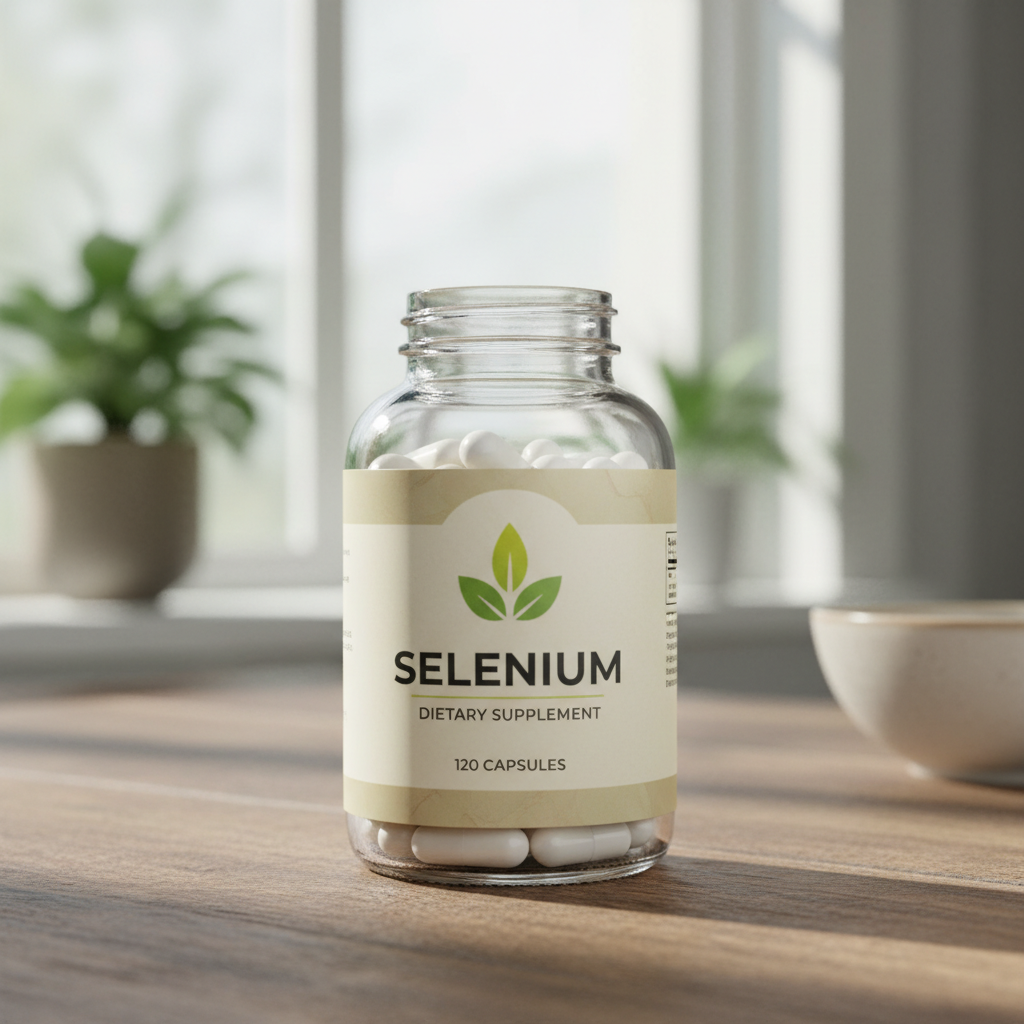
Selenium has gained increased recognition in 2026 as a critical trace mineral that serves as a cornerstone of antioxidant defense and immune system optimization. This essential micronutrient functions as a cofactor for selenoproteins, including glutathione peroxidase and thioredoxin reductase, which are crucial for protecting immune cells from oxidative damage and maintaining their optimal function. Selenium deficiency, which affects an estimated 1 billion people worldwide due to depleted soil levels, can significantly impair immune responses and increase susceptibility to viral infections. Research has demonstrated that adequate selenium levels are essential for the proper functioning of both innate and adaptive immunity, with the mineral playing key roles in T-cell proliferation, antibody production, and the activity of natural killer cells. Studies have shown that selenium supplementation can enhance vaccine responses, reduce the risk of viral mutations, and improve overall immune system resilience. The mineral's antiviral properties are particularly noteworthy, with research indicating that selenium can inhibit viral replication and reduce the virulence of certain viruses, including influenza and coronaviruses. Modern selenium supplements utilize organic forms such as selenomethionine and selenium yeast, which offer superior bioavailability and retention compared to inorganic sodium selenite. The optimal dosage for immune support ranges from 100-200 micrograms daily, with higher therapeutic doses used under medical supervision. Geographic location plays a significant role in selenium requirements, as soil selenium content varies dramatically worldwide, with many regions having selenium-deficient soils that result in low dietary intake. The synergistic relationship between selenium and vitamin E enhances the antioxidant protection of immune cells, making combination formulations particularly effective.
9. Mushroom Complexes - Adaptogenic Immune Support

Medicinal mushrooms have experienced a renaissance in 2026, with sophisticated extraction techniques and standardization methods revealing the profound immune-supporting properties of these remarkable fungi. The most extensively researched immune-supporting mushrooms include Reishi (Ganoderma lucidum), Shiitake (Lentinula edodes), Turkey Tail (Trametes versicolor), Cordyceps (Cordyceps sinensis), and Lion's Mane (Hericium erinaceus), each offering unique bioactive compounds that support different aspects of immune function. These mushrooms contain powerful polysaccharides, particularly beta-glucans, triterpenes, and other bioactive compounds that demonstrate remarkable immune-modulating properties. Reishi, known as the "mushroom of immortality," contains ganoderic acids and polysaccharides that enhance immune cell activity while promoting stress resilience and sleep quality. Turkey Tail contains polysaccharide-K (PSK) and polysaccharide-peptide (PSP), which have shown significant immune-enhancing effects in clinical trials. Modern mushroom supplements utilize dual-extraction methods that capture both water-soluble and alcohol-soluble compounds, ensuring comprehensive bioactive profiles. Standardized extracts guarantee consistent levels of active compounds, typically standardized to contain specific percentages of beta-glucans and triterpenes. Multi-mushroom complexes have gained popularity for their synergistic effects, combining the unique benefits of different species in convenient formulations. The recommended dosage varies by mushroom type and extract concentration, typically ranging from 500-2,000mg daily of standardized extract. The adaptogenic properties of medicinal mushrooms make them particularly valuable for supporting immune function during periods of stress, when the immune system is most vulnerable to compromise.
10. N-Acetylcysteine (NAC) - Respiratory and Cellular Protection
N-Acetylcysteine has emerged as a crucial supplement for immune support in 2026, particularly valued for its ability to support respiratory health and cellular antioxidant defenses. This amino acid derivative serves as a precursor to glutathione, the body's master antioxidant, which plays essential roles in immune cell function and protection against oxidative stress. NAC's primary immune benefits stem from its ability to thin mucus secretions, making it easier for the respiratory system to clear pathogens and irritants, while also supporting the integrity of respiratory epithelial cells. Clinical studies have demonstrated that NAC supplementation can reduce the frequency and severity of respiratory infections, particularly in individuals with chronic respiratory conditions or compromised immune systems. The compound's antioxidant properties help protect immune cells from damage caused by reactive oxygen species generated during immune responses, ensuring optimal immune cell function and longevity. NAC also demonstrates direct antimicrobial properties and can interfere with biofilm formation by certain pathogens, enhancing the effectiveness of natural immune defenses. Modern NAC formulations have addressed previous stability and absorption issues through improved manufacturing processes and combination with complementary nutrients like vitamin C and selenium. The recommended dosage for immune support ranges from 600-1,200mg daily, typically divided into two doses and taken away from meals for optimal absorption. NAC's safety profile is excellent, though individuals taking nitroglycerin or certain blood pressure medications should consult healthcare providers before use. The timing of NAC supplementation can be important, as taking it during acute respiratory illness may provide additional therapeutic benefits beyond its preventive effects.
11. Vitamin A - Epithelial Barrier Integrity and Immune Regulation
Vitamin A has gained renewed appreciation in 2026 for its fundamental role in maintaining immune system integrity and function, particularly in supporting the epithelial barriers that serve as the body's first line of defense against pathogens. This fat-soluble vitamin exists in two primary forms: preformed vitamin A (retinol) from animal sources and provitamin A carotenoids (beta-carotene) from plant sources, both of which contribute to immune health through different mechanisms. Vitamin A is essential for the development and differentiation of immune cells, particularly T-cells and B-cells, and plays crucial roles in antibody production and immune memory formation. The
