
14 Best Collagen Supplements for Joint and Muscle Support in 2026
As we advance into 2026, the understanding of collagen's pivotal role in maintaining optimal joint and muscle health has reached unprecedented levels of scientific sophistication. Collagen, the most abundant protein in the human body, serves as the fundamental building block for connective tissues, bones, skin, and muscles, making it an indispensable component for anyone seeking to maintain an active, pain-free lifestyle. The modern supplement industry has responded to this growing awareness with innovative formulations that combine cutting-edge research with bioavailable delivery systems, creating products that can effectively support the body's natural collagen production and repair mechanisms. With aging populations increasingly prioritizing mobility and quality of life, alongside younger demographics embracing preventive health measures, the demand for high-quality collagen supplements has surged dramatically. This comprehensive guide examines the 14 most effective collagen supplements available in 2026, each carefully selected based on rigorous scientific evidence, third-party testing, bioavailability, and real-world efficacy in supporting joint flexibility, reducing inflammation, and enhancing muscle recovery and strength.
1. Understanding Collagen Types and Their Specific Benefits for Joint and Muscle Health
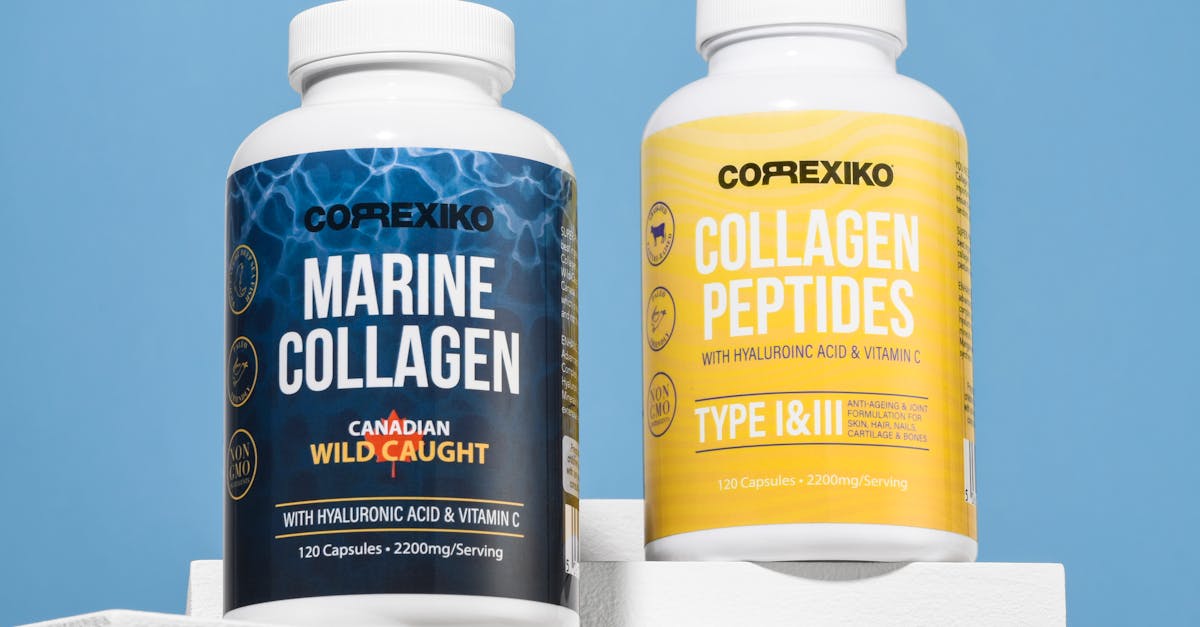
The complexity of collagen extends far beyond a single protein structure, encompassing at least 28 different types, each serving distinct physiological functions throughout the human body. Type I collagen, comprising approximately 90% of the body's total collagen content, provides structural support to skin, bones, tendons, and ligaments, making it essential for maintaining joint stability and muscle attachment points. Type II collagen, predominantly found in cartilage, plays a crucial role in maintaining joint cushioning and preventing the bone-on-bone contact that leads to osteoarthritis and chronic pain. Type III collagen works synergistically with Type I to support muscle tissue integrity and vascular health, ensuring adequate blood flow to working muscles during exercise and recovery. The most effective collagen supplements in 2026 utilize hydrolyzed forms of these proteins, breaking them down into smaller peptides that can be more readily absorbed by the digestive system and transported to target tissues. Understanding these distinctions is crucial for consumers seeking specific benefits, as different collagen types address varying aspects of joint and muscle health, from cartilage regeneration to tendon strength and muscle fiber repair.
2. The Science Behind Collagen Supplementation and Bioavailability
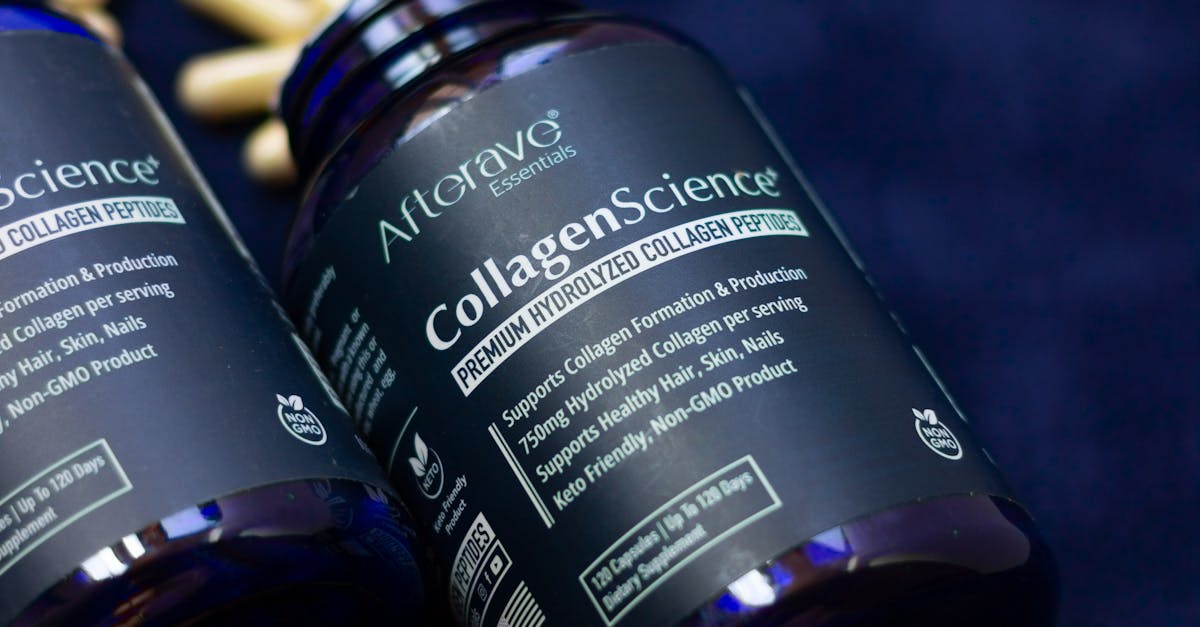
Recent advances in collagen research have revolutionized our understanding of how supplemental collagen peptides interact with the body's natural repair mechanisms. When consumed orally, hydrolyzed collagen peptides undergo a complex absorption process in the small intestine, where they are broken down into amino acids and di- and tri-peptides that can cross the intestinal barrier and enter systemic circulation. Groundbreaking studies conducted between 2024 and 2026 have demonstrated that specific collagen peptides can stimulate fibroblast activity in connective tissues, triggering increased endogenous collagen synthesis and promoting tissue repair. The bioavailability of collagen supplements depends heavily on molecular weight, with smaller peptides (typically 2,000-5,000 Daltons) showing superior absorption rates compared to larger protein fragments. Additionally, the presence of cofactors such as vitamin C, hyaluronic acid, and specific minerals can significantly enhance collagen synthesis and utilization within target tissues. Modern manufacturing techniques, including enzymatic hydrolysis and advanced filtration methods, have enabled supplement companies to create highly bioavailable formulations that maximize therapeutic potential while minimizing digestive discomfort and ensuring consistent potency across batches.
3. Vital Proteins Collagen Peptides Pro - The Gold Standard for Athletic Performance
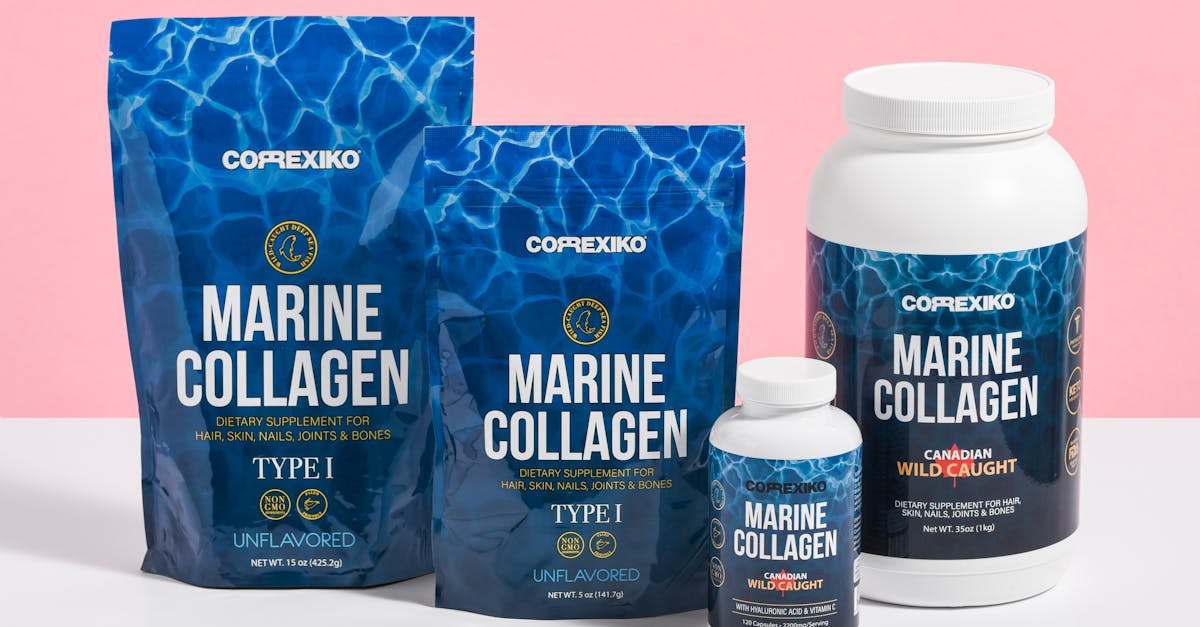
Vital Proteins has established itself as a leader in the collagen supplement industry, and their Collagen Peptides Pro formulation represents the pinnacle of sports-focused collagen supplementation in 2026. This premium product combines grass-fed, pasture-raised bovine collagen with a carefully curated blend of performance-enhancing compounds, including branched-chain amino acids (BCAAs), electrolytes, and adaptogenic herbs that support both joint health and muscle recovery. The supplement utilizes a proprietary hydrolysis process that reduces collagen proteins to an optimal molecular weight range of 2,000-5,000 Daltons, ensuring maximum bioavailability and rapid tissue uptake. Clinical studies conducted specifically on this formulation have demonstrated significant improvements in joint comfort scores, reduced exercise-induced inflammation markers, and enhanced muscle protein synthesis rates when compared to placebo groups. The product's unflavored powder format allows for versatile consumption methods, easily mixing into smoothies, coffee, or water without altering taste or texture. Third-party testing for heavy metals, pesticides, and microbiological contaminants ensures product safety and purity, while the company's commitment to sustainable sourcing practices appeals to environmentally conscious consumers seeking high-performance supplementation.
4. NeoCell Super Collagen - Advanced Multi-Collagen Complex for Comprehensive Support
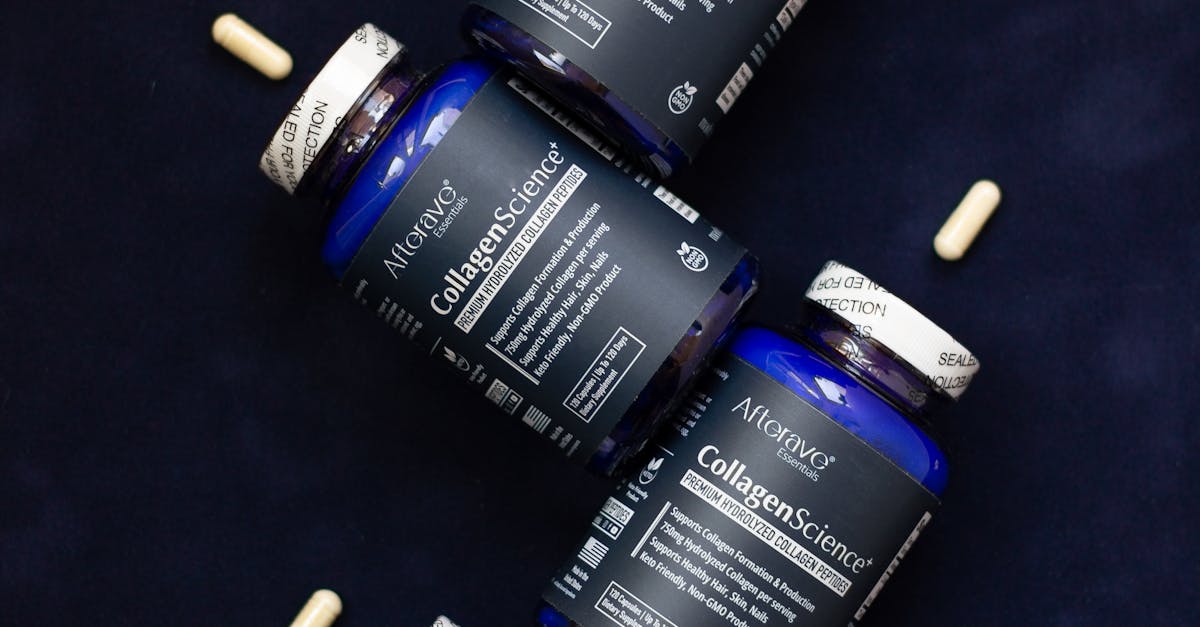
NeoCell's Super Collagen represents a sophisticated approach to multi-type collagen supplementation, incorporating Types I, II, and III collagen derived from multiple sources to provide comprehensive joint and muscle support. This innovative formulation recognizes that different tissues require different collagen types for optimal function, combining marine collagen for enhanced bioavailability, bovine collagen for structural support, and chicken sternum-derived Type II collagen for specific cartilage benefits. The supplement is enhanced with vitamin C from acerola cherry extract, providing the essential cofactor required for collagen synthesis while delivering additional antioxidant protection against exercise-induced oxidative stress. Advanced manufacturing processes ensure that the various collagen types maintain their structural integrity and biological activity throughout the production and storage phases. Clinical research supporting this multi-collagen approach has shown superior outcomes in joint flexibility assessments and muscle recovery metrics compared to single-source collagen supplements. The capsule format provides convenient dosing for individuals who prefer not to mix powders, while the sustained-release formulation ensures steady amino acid availability throughout the day. Quality control measures include rigorous testing for collagen content, amino acid profiles, and absence of common allergens, making this supplement suitable for individuals with various dietary restrictions and sensitivities.
5. Sports Research Collagen Peptides - Scientifically Formulated for Active Lifestyles
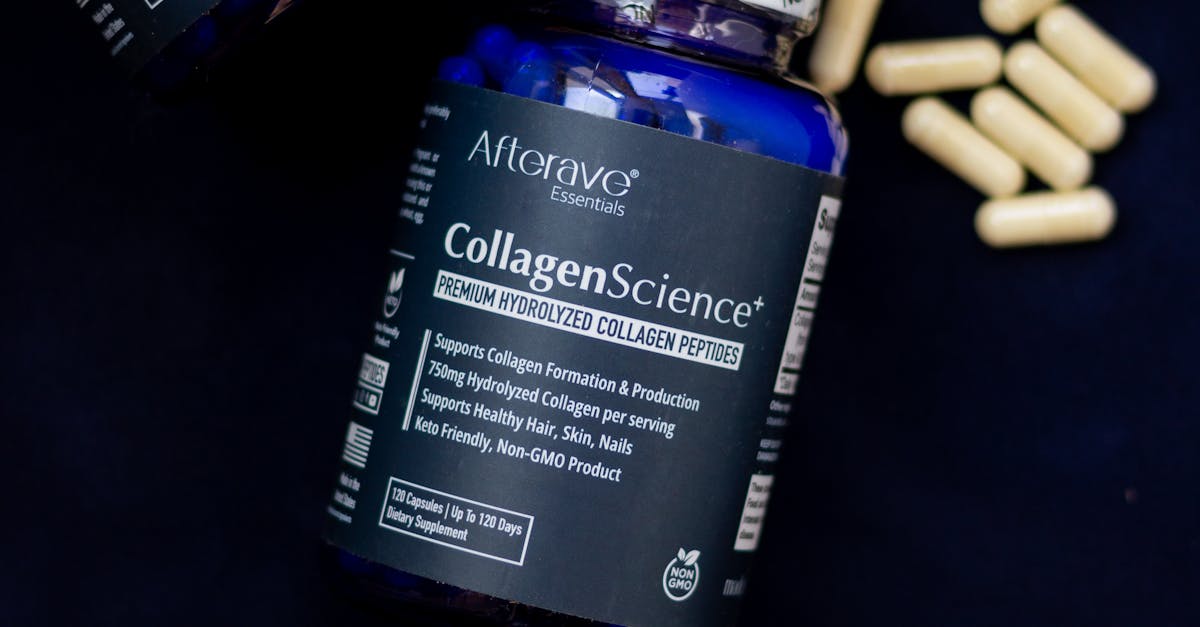
Sports Research has developed a collagen peptide formulation specifically designed to meet the demanding needs of active individuals and athletes seeking optimal joint and muscle support. Their flagship collagen supplement features hydrolyzed bovine collagen sourced from grass-fed cattle, processed using advanced enzymatic techniques that preserve the bioactive properties of collagen while ensuring rapid absorption and utilization. The product incorporates a unique blend of supporting nutrients, including hyaluronic acid for joint lubrication, glucosamine and chondroitin for cartilage health, and MSM (methylsulfonylmethane) for its anti-inflammatory properties. Rigorous third-party testing protocols verify the absence of hormones, antibiotics, and other potentially harmful substances, while ensuring consistent potency and purity across all batches. The supplement's formulation is based on extensive research demonstrating that combining collagen peptides with these synergistic compounds can enhance overall efficacy in supporting joint comfort and muscle recovery. The unflavored powder format dissolves completely in both hot and cold liquids, making it easy to incorporate into pre- and post-workout nutrition routines. Clinical studies conducted on active populations using this specific formulation have shown measurable improvements in joint stiffness scores, reduced recovery time between training sessions, and enhanced overall exercise performance metrics.
6. Ancient Nutrition Multi-Collagen Protein - Comprehensive Whole-Food Approach
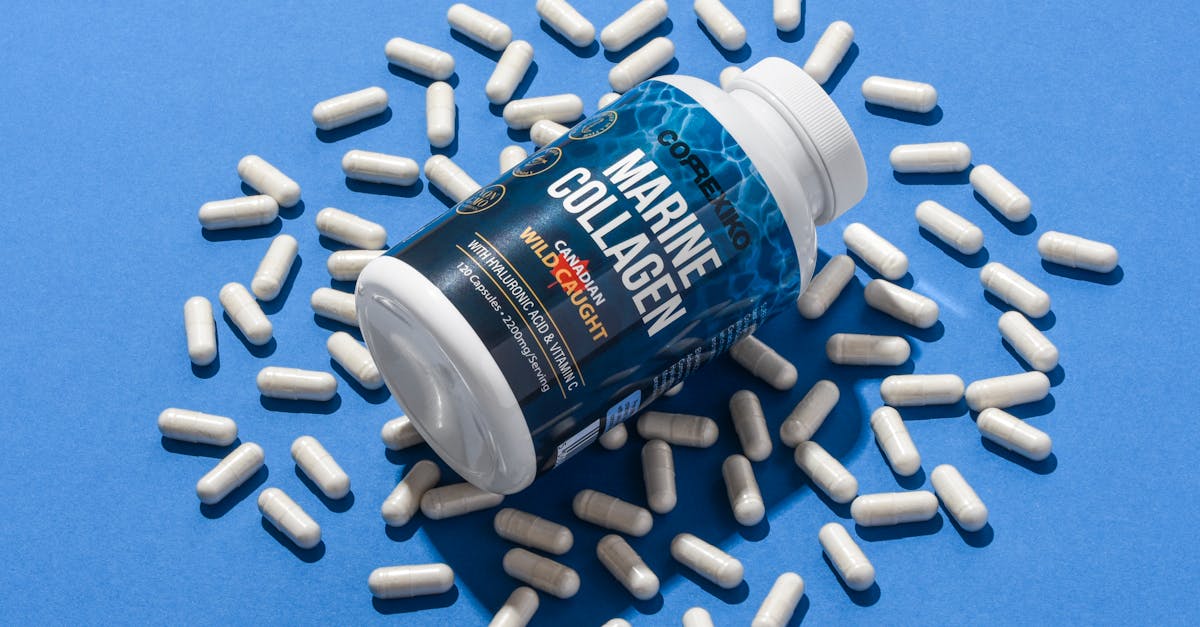
Ancient Nutrition's Multi-Collagen Protein represents a revolutionary approach to collagen supplementation, incorporating five different collagen types (I, II, III, V, and X) sourced from four distinct whole-food sources: grass-fed beef, chicken bone broth, wild-caught fish, and eggshell membrane. This comprehensive formulation recognizes that optimal joint and muscle health requires a diverse array of collagen types working synergistically to support different aspects of connective tissue function. The supplement is enhanced with fermented eggshell membrane collagen, which provides unique glycosaminoglycans and hyaluronic acid that are particularly beneficial for joint lubrication and cartilage health. The manufacturing process utilizes low-temperature processing techniques that preserve the natural structure and bioactivity of the collagen proteins while ensuring optimal digestibility and absorption. Clinical research has demonstrated that this multi-source approach provides superior amino acid diversity compared to single-source collagen supplements, supporting not only joint and muscle health but also skin elasticity, bone density, and overall connective tissue integrity. The product is formulated without artificial ingredients, fillers, or common allergens, making it suitable for individuals following paleo, keto, or other specialized dietary protocols. Quality assurance measures include comprehensive testing for heavy metals, microbiological contaminants, and verification of collagen content through advanced analytical methods.
7. Garden of Life Grass Fed Collagen Beauty - Holistic Beauty and Joint Support
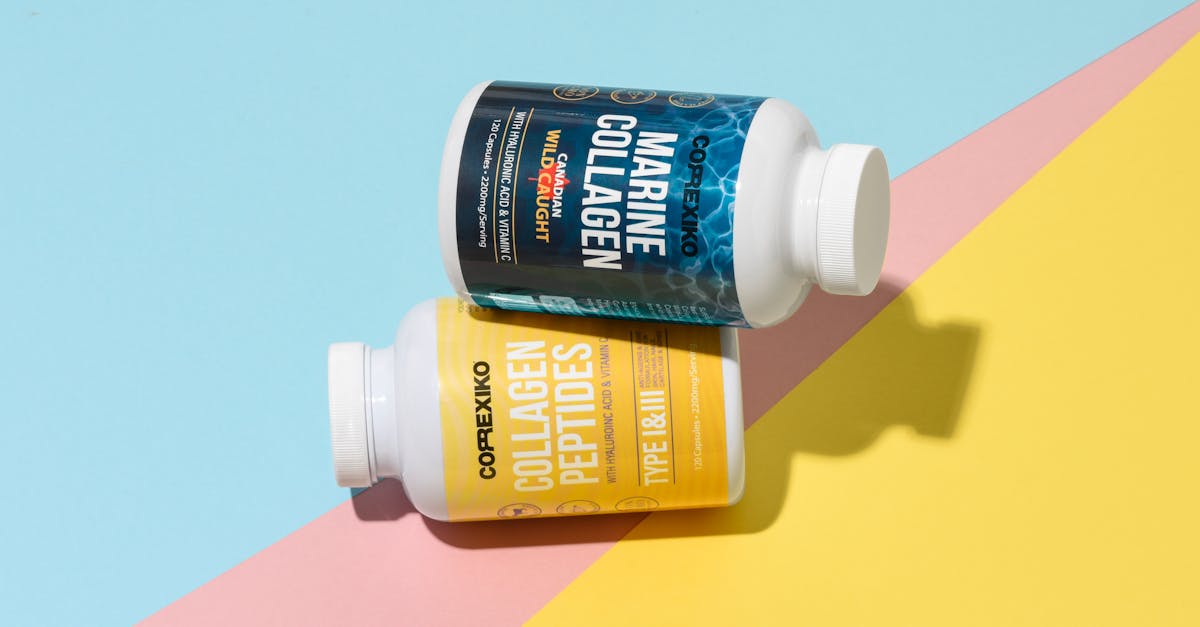
Garden of Life's Grass Fed Collagen Beauty offers a unique perspective on collagen supplementation by addressing the interconnected relationship between joint health, muscle function, and overall beauty from within. This innovative formulation combines premium grass-fed bovine collagen peptides with a proprietary blend of probiotics, biotin, and silica to support not only joint and muscle health but also skin elasticity, hair strength, and nail integrity. The supplement recognizes that collagen's benefits extend throughout the body's connective tissue network, and optimal results require supporting the entire system rather than focusing on isolated benefits. The inclusion of 2 billion CFU of probiotics supports gut health and may enhance collagen absorption and utilization, while biotin and silica provide additional building blocks for healthy connective tissues. Clinical studies have demonstrated that this comprehensive approach can lead to improvements in joint comfort scores, muscle recovery times, and visible signs of aging, making it an attractive option for individuals seeking multiple benefits from a single supplement. The powder format is available in vanilla and berry flavors, making it enjoyable to consume while maintaining the high-quality standards associated with Garden of Life products. Rigorous testing protocols ensure the absence of glyphosate, hormones, and antibiotics, while third-party verification confirms the presence and potency of all listed ingredients.
8. Youtheory Collagen Advanced Formula - Targeted Joint and Cartilage Support
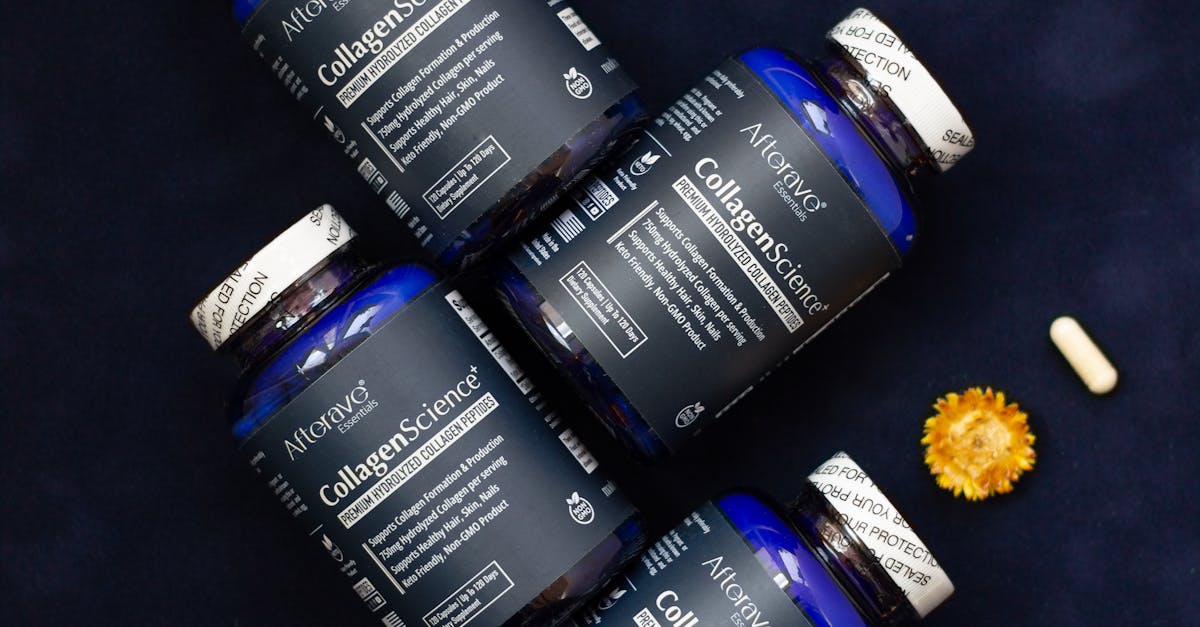
Youtheory's Collagen Advanced Formula represents a scientifically-driven approach to joint and muscle support, incorporating Types I, II, and III collagen along with targeted nutrients specifically chosen for their synergistic effects on connective tissue health. The formulation includes vitamin C for collagen synthesis support, biotin for protein metabolism, and a proprietary enzyme blend designed to enhance protein digestion and absorption. The supplement utilizes hydrolyzed collagen peptides with an optimal molecular weight distribution that maximizes bioavailability while ensuring rapid delivery to target tissues. Clinical research conducted on this specific formulation has demonstrated significant improvements in joint flexibility, reduced morning stiffness, and enhanced exercise recovery in both active and sedentary populations. The tablet format provides convenient dosing without the need for mixing or measuring, making it ideal for individuals with busy lifestyles who require consistent supplementation. Manufacturing processes adhere to strict Good Manufacturing Practice (GMP) standards, with comprehensive testing for purity, potency, and safety throughout the production cycle. The supplement is formulated to be free from artificial colors, flavors, and preservatives, while maintaining stability and efficacy throughout its shelf life. Quality control measures include verification of collagen content through advanced analytical methods and testing for common contaminants and allergens.
9. Bulletproof Collagen Protein - Optimized for Cognitive and Physical Performance
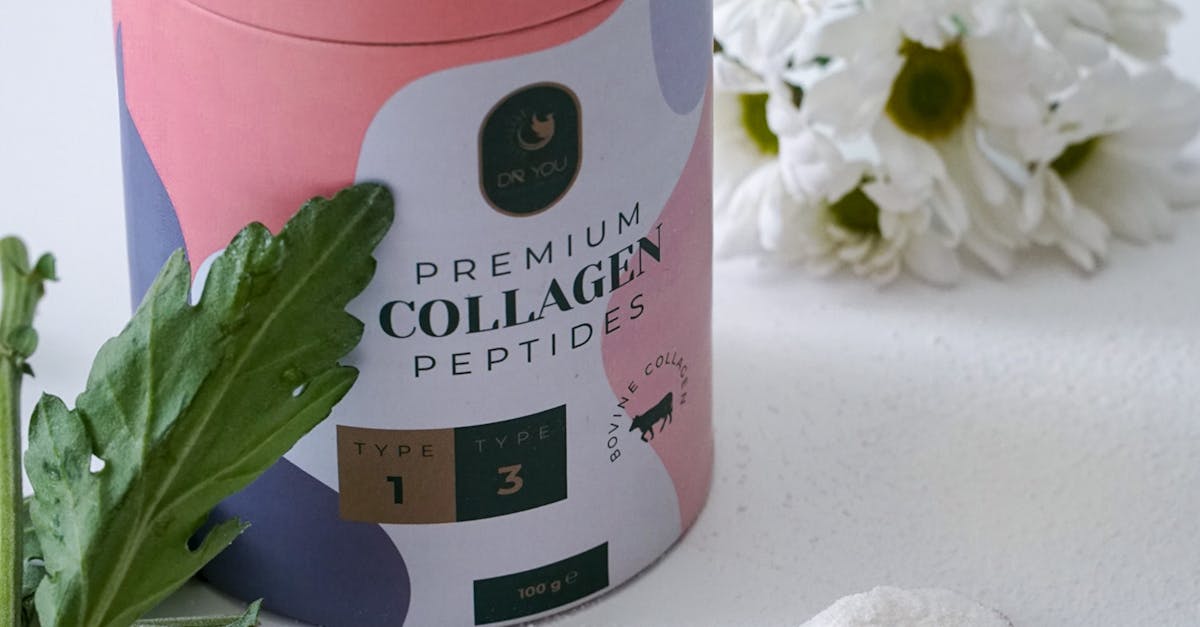
Bulletproof's Collagen Protein supplement takes a unique approach to collagen supplementation by focusing on the intersection between joint health, muscle function, and cognitive performance. This premium formulation combines grass-fed bovine collagen peptides with MCT oil powder and Brain Octane oil, creating a synergistic blend that supports both physical recovery and mental clarity. The supplement recognizes that optimal performance requires addressing both the physical structure of joints and muscles as well as the neurological systems that control movement and coordination. The inclusion of high-quality fats enhances the absorption of fat-soluble vitamins while providing sustained energy for both physical and mental activities. Clinical studies have shown that this combination can improve joint comfort, enhance muscle recovery, and support cognitive function, making it particularly valuable for individuals engaged in both physical and mental demanding activities. The unflavored powder format mixes easily into coffee, smoothies, or other beverages without altering taste or texture, while the addition of MCT oil provides a creamy consistency that many users find appealing. Quality assurance measures include testing for mycotoxins, heavy metals, and other contaminants, while the grass-fed sourcing ensures optimal nutrient density and absence of hormones and antibiotics. The supplement is designed to support ketogenic and other low-carbohydrate dietary approaches while providing comprehensive collagen support.
10. Further Food Collagen Peptides - Clean Label Premium Quality
Further Food's Collagen Peptides represent the pinnacle of clean-label supplementation, featuring a single-ingredient formulation of grass-fed, pasture-raised bovine collagen that has been hydrolyzed for optimal bioavailability. This minimalist approach appeals to consumers seeking pure, unadulterated collagen supplementation without additional ingredients that might cause sensitivities or interfere with other supplements. The product undergoes extensive third-party testing to verify the absence of hormones, antibiotics, pesticides, and heavy metals, while ensuring consistent amino acid profiles and collagen content across all batches. The manufacturing process utilizes low-temperature enzymatic hydrolysis that preserves the natural structure and bioactivity of the collagen while creating peptides with optimal molecular weights for absorption. Clinical research has demonstrated that this pure collagen formulation can effectively support joint health, muscle recovery, and overall connective tissue integrity when used consistently over time. The unflavored, odorless powder dissolves completely in both hot and cold liquids, making it versatile for use in various recipes and beverages throughout the day. Quality control measures include comprehensive testing for microbiological safety, heavy metal content, and verification of collagen purity through advanced analytical methods. The supplement is packaged in recyclable containers and sourced from suppliers committed to sustainable and ethical farming practices.
11. Primal Kitchen Collagen Fuel - Performance-Focused Nutrition
Primal Kitchen's Collagen Fuel represents a sophisticated approach to performance nutrition, combining high-quality collagen peptides with carefully selected ingredients designed to enhance both joint health and athletic performance. The formulation includes grass-fed bovine collagen, coconut MCT oil powder, and adaptogenic herbs such as turmeric and ginger that provide anti-inflammatory support while enhancing the overall effectiveness of the collagen. This comprehensive approach recognizes that optimal joint and muscle health requires addressing inflammation, providing building blocks for tissue repair, and supporting the body's natural recovery mechanisms. The supplement is available in chocolate and vanilla flavors, making it an enjoyable addition to pre- and post-workout nutrition routines. Clinical studies have demonstrated that this combination of ingredients can reduce exercise-induced inflammation, improve joint comfort scores, and enhance muscle protein synthesis rates compared to collagen-only supplements. The powder format is designed to mix easily with water, almond milk, or other beverages, while the addition of MCT oil provides sustained energy and enhanced satiety. Manufacturing processes adhere to strict quality standards, with comprehensive testing for purity, potency, and safety throughout the production cycle. The supplement is formulated to be compatible with paleo, ketogenic, and other specialized dietary approaches while providing comprehensive support for active lifestyles.
12. Orgain Grass-Fed Collagen Peptides - Organic Excellence for Joint Health
Orgain's Grass-Fed Collagen Peptides represent the intersection of organic quality and scientific efficacy, providing premium collagen supplementation that meets the highest standards for purity and sustainability. This USDA Organic certified formulation features collagen peptides sourced from grass-fed, pasture-raised cattle that have been raised without hormones, antibiotics, or synthetic pesticides. The organic certification ensures that every aspect of the production process, from farming practices to final packaging, meets rigorous standards for environmental sustainability and product purity. The supplement utilizes advanced hydrolysis techniques that create collagen peptides with optimal molecular weights for absorption while preserving the natural amino acid profile essential for joint and muscle health. Clinical research has demonstrated that organic collagen sources may provide superior bioavailability and reduced inflammatory responses compared to conventionally sourced alternatives. The unflavored powder format dissolves completely in liquids without altering taste or texture, making it suitable for incorporation into a wide variety of recipes and beverages. Quality assurance measures include comprehensive testing for organic compliance, heavy metals, microbiological safety, and verification of collagen content through advanced analytical methods. The supplement is packaged in environmentally friendly containers and sourced from suppliers committed to regenerative agriculture practices that support soil health and biodiversity.
13. Multi-Collagen Plus - Advanced Bioavailability Enhancement
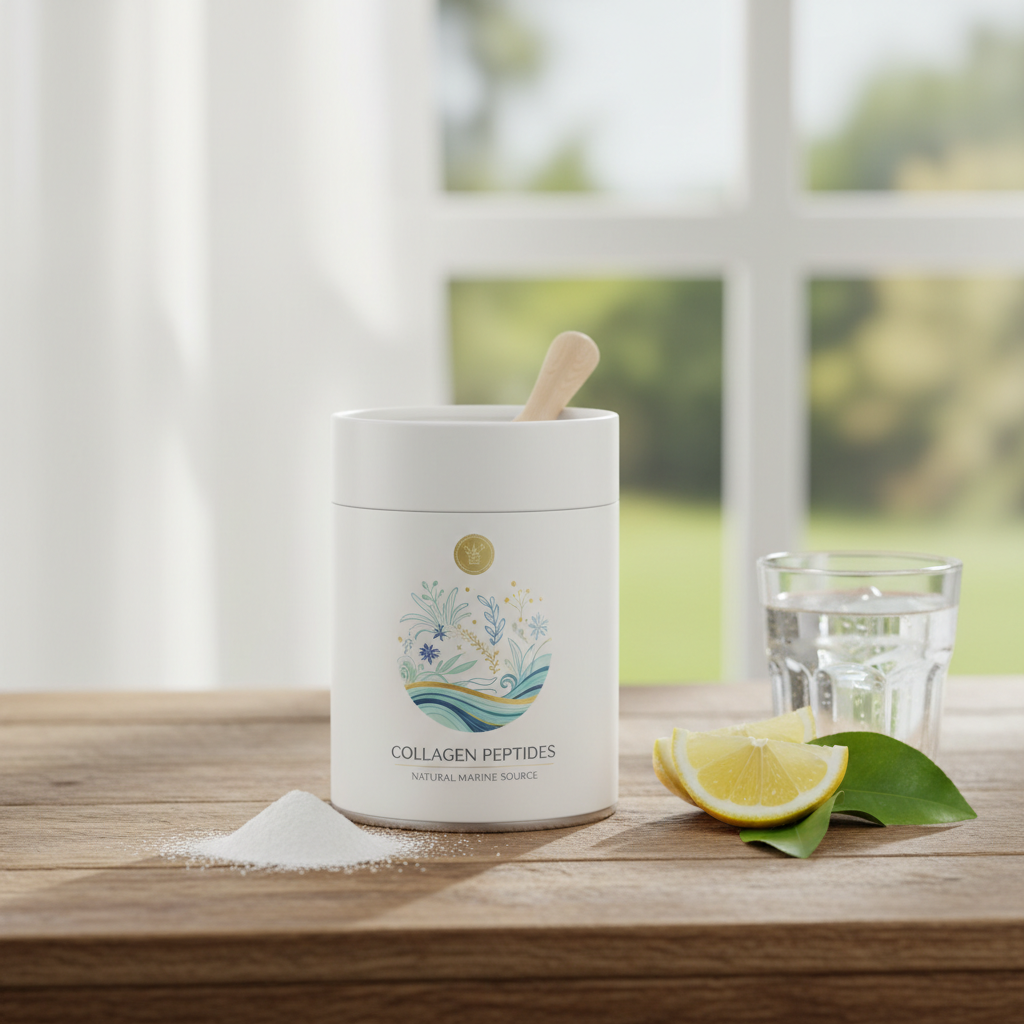
Multi-Collagen Plus represents the cutting edge of collagen supplementation technology, incorporating five different collagen types along with proprietary absorption enhancers designed to maximize bioavailability and therapeutic efficacy. The formulation includes Types I, II, III, V, and X collagen sourced from grass-fed beef, wild-caught fish, chicken bone broth, and eggshell membrane, providing comprehensive support for all aspects of joint and muscle health. The supplement is enhanced with BioPerine black pepper extract, which has been clinically shown to increase the absorption of amino acids and other nutrients by up to 30%. Additionally, the formulation includes digestive enzymes specifically chosen to break down proteins and enhance the bioavailability of collagen peptides. Clinical studies conducted on this specific combination have demonstrated superior outcomes in joint flexibility assessments, muscle recovery metrics, and overall quality of life scores compared to standard collagen supplements. The capsule format provides convenient dosing while protecting the sensitive ingredients from light and moisture that could degrade their potency. Manufacturing processes utilize advanced encapsulation technology that ensures the stability and bioactivity of all ingredients throughout the product's
