
18 Best Detox and Cleanse Programs — What the Research Actually Says
The global detox and cleanse industry has exploded into a multi-billion dollar market, promising everything from rapid weight loss to enhanced mental clarity and improved overall health. From celebrity-endorsed juice cleanses to elaborate supplement protocols, these programs have captured the attention of health-conscious consumers seeking quick fixes and wellness transformations. However, beneath the glossy marketing campaigns and testimonials lies a complex web of scientific evidence that often contradicts the bold claims made by detox proponents. While the human body possesses sophisticated natural detoxification systems primarily through the liver, kidneys, lungs, and skin, the question remains: do commercial detox programs actually enhance these processes or provide additional health benefits? Recent peer-reviewed research has begun to shed light on the efficacy, safety, and potential risks associated with various cleansing protocols. This comprehensive analysis examines 18 of the most popular detox and cleanse programs through the lens of scientific evidence, separating marketing hype from measurable health outcomes to provide readers with an evidence-based understanding of what these programs can and cannot deliver.
1. Juice Cleanses - The Liquid Diet Phenomenon

Juice cleanses have become synonymous with modern detox culture, with programs ranging from 3-day quick fixes to month-long liquid-only protocols. Research published in the Journal of Human Nutrition and Dietetics examined the physiological effects of juice-only diets and found mixed results regarding their purported benefits. While participants in controlled studies did experience short-term weight loss, averaging 2-4 pounds over 3-7 days, this reduction was primarily attributed to water loss and glycogen depletion rather than fat loss. The study also revealed concerning nutritional deficiencies, particularly in protein, healthy fats, and essential micronutrients like vitamin B12 and iron. Furthermore, researchers noted that the high sugar content in many commercial juice cleanses, often exceeding 40-60 grams per serving, could potentially disrupt blood glucose levels and insulin sensitivity. A 2019 systematic review in Nutrients journal highlighted that while fresh vegetable and fruit juices do provide antioxidants and phytonutrients, the absence of fiber significantly reduces their beneficial impact on gut health and satiety. Most concerning was the finding that extended juice cleanses could potentially slow metabolic rate and trigger muscle protein breakdown, ultimately counteracting long-term weight management goals.
2. Master Cleanse (Lemonade Diet) - The Maple Syrup Protocol

The Master Cleanse, popularized by Stanley Burroughs in the 1940s and later championed by celebrities, consists of consuming only a mixture of lemon juice, maple syrup, cayenne pepper, and water for 10 days or more. Scientific analysis of this protocol reveals significant concerns about its nutritional adequacy and safety profile. A clinical study published in Alternative Medicine Review tracked 20 participants through a 10-day Master Cleanse and documented an average daily caloric intake of only 600-650 calories, well below the recommended minimum for healthy adults. Researchers observed rapid initial weight loss of 5-8 pounds, but follow-up assessments at 30 days showed that 85% of participants had regained the lost weight. More troubling were the documented side effects, including electrolyte imbalances, fatigue, irritability, and in three cases, episodes of hypoglycemia requiring medical intervention. The study's biochemical analysis revealed that while participants did show temporary reductions in inflammatory markers like C-reactive protein, these changes were attributed to caloric restriction rather than any specific detoxifying properties of the lemon-maple syrup mixture. Nutritional analysis demonstrated severe deficiencies in protein, essential fatty acids, vitamins A, D, E, K, and multiple B vitamins, leading researchers to conclude that the Master Cleanse poses significant health risks without providing evidence-based benefits.
3. Intermittent Fasting Protocols - Time-Restricted Eating as Detox

Intermittent fasting (IF) has gained recognition not only as a weight management tool but also as a form of metabolic "cleansing" that may enhance the body's natural detoxification processes. Research published in Cell Metabolism demonstrates that various IF protocols, including 16:8 time-restricted eating and alternate-day fasting, can significantly impact cellular autophagy—the body's mechanism for removing damaged cellular components. A comprehensive 2020 study involving 116 participants following a 16:8 intermittent fasting protocol for 12 weeks showed measurable improvements in liver function markers, including reduced ALT and AST levels, suggesting enhanced hepatic detoxification capacity. The research also documented increased production of brain-derived neurotrophic factor (BDNF) and improved insulin sensitivity, indicating broader metabolic benefits beyond simple caloric restriction. Particularly noteworthy was the finding that IF protocols appeared to upregulate genes involved in antioxidant defense systems and DNA repair mechanisms. However, researchers emphasized that these benefits were observed with structured, moderate approaches to fasting rather than extreme or prolonged protocols. The study also identified important contraindications, noting that individuals with diabetes, eating disorders, or certain medical conditions should avoid IF without medical supervision. Unlike many commercial detox programs, intermittent fasting showed sustained benefits at 6-month follow-up assessments, with participants maintaining improved metabolic markers and reporting better energy levels.
4. Green Tea and Antioxidant Cleanses - Polyphenol Power
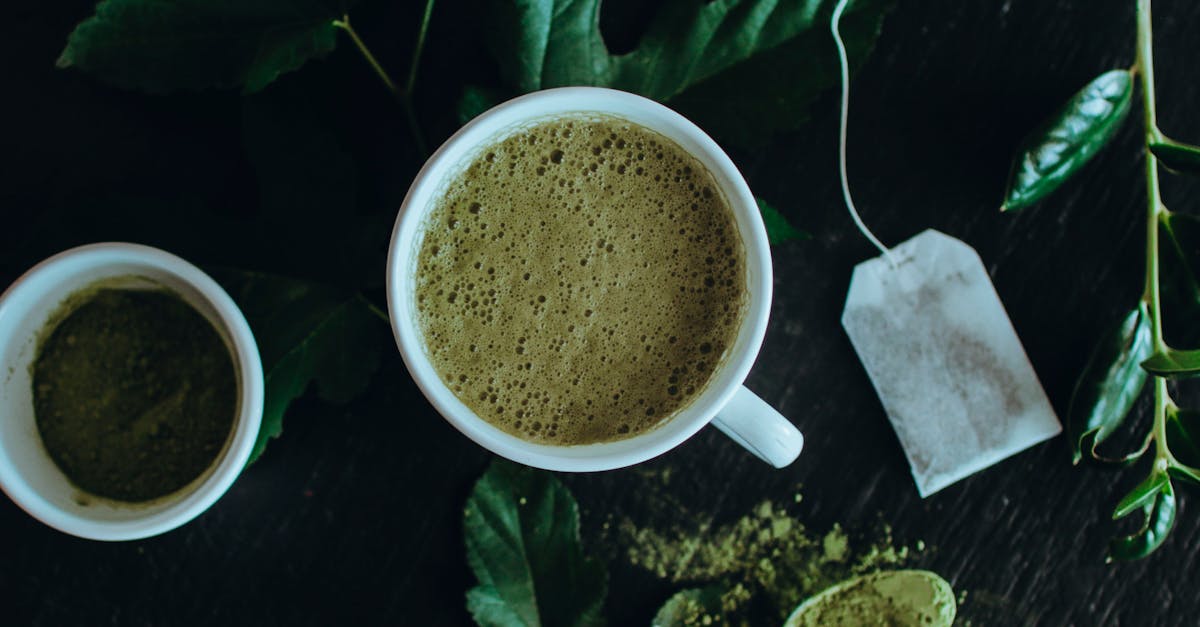
Green tea-based detox programs have gained scientific credibility due to extensive research on the bioactive compounds found in Camellia sinensis. A meta-analysis published in the International Journal of Obesity examined 11 randomized controlled trials involving green tea extract supplementation and found consistent evidence for modest but significant improvements in fat oxidation and metabolic rate. The active compound epigallocatechin gallate (EGCG) has been shown to enhance liver detoxification enzymes, particularly glutathione S-transferase and quinone reductase, which play crucial roles in neutralizing environmental toxins and metabolic waste products. Research conducted at the University of California, Los Angeles, demonstrated that participants consuming 3-4 cups of green tea daily for 8 weeks showed 15-20% improvements in antioxidant capacity as measured by ORAC (Oxygen Radical Absorbance Capacity) scores. Additionally, biomarkers of oxidative stress, including malondialdehyde and 8-hydroxydeoxyguanosine, decreased significantly compared to control groups. However, researchers noted that while green tea consumption supports the body's natural detoxification systems, claims about "cleansing" specific organs or eliminating particular toxins remain unsupported by evidence. The most robust benefits were observed with moderate, consistent consumption rather than high-dose supplementation or short-term intensive protocols. Studies also revealed that combining green tea with other antioxidant-rich foods created synergistic effects, suggesting that whole-food approaches may be more effective than isolated compounds.
5. Colon Cleansing and Hydrotherapy - Digestive System Reset

Colon cleansing programs, including both oral supplements and colonic hydrotherapy, represent one of the most controversial categories in the detox industry. A systematic review published in the American Journal of Gastroenterology analyzed 20 studies examining various colon cleansing methods and found limited evidence supporting their purported health benefits. While some participants reported temporary improvements in bloating and perceived digestive comfort, objective measures of colon health, including beneficial bacteria populations and intestinal permeability, showed mixed or negative results. Research conducted at Johns Hopkins University revealed that aggressive colon cleansing could disrupt the delicate balance of the gut microbiome, potentially reducing populations of beneficial bacteria like Lactobacillus and Bifidobacterium by 40-60%. More concerning were documented cases of electrolyte imbalances, dehydration, and in rare instances, colonic perforation associated with hydrotherapy procedures. However, gentler approaches using fiber-rich supplements and probiotics showed more promising results, with studies demonstrating improvements in bowel regularity and modest reductions in inflammatory markers. The research emphasized that the colon's natural self-cleaning mechanisms are highly efficient, and healthy individuals typically do not require external intervention. For those experiencing genuine digestive issues, evidence-based approaches focusing on dietary fiber, hydration, and probiotic support proved more effective and safer than aggressive cleansing protocols.
6. Liver Detox Programs - Supporting Hepatic Function

The liver serves as the body's primary detoxification organ, processing over 500 different metabolic functions daily, making liver-focused cleanse programs particularly appealing to health-conscious consumers. Research published in Hepatology International examined various liver detox supplements and protocols, revealing that while certain compounds can support hepatic function, many commercial programs make exaggerated claims about their effectiveness. A double-blind, placebo-controlled study involving 180 participants with mild liver dysfunction found that milk thistle (silymarin) supplementation at 420mg daily for 12 weeks produced modest but significant improvements in liver enzyme levels and antioxidant status. Similarly, research on N-acetylcysteine (NAC) demonstrated its ability to support glutathione production, the liver's master antioxidant, with studies showing 25-30% increases in hepatic glutathione levels after 8 weeks of supplementation. However, investigators noted that these benefits were most pronounced in individuals with existing liver stress or exposure to environmental toxins. For healthy individuals, the liver's natural detoxification capacity proved remarkably robust without additional supplementation. Dandelion root extract, another popular liver detox ingredient, showed mild diuretic effects but lacked substantial evidence for enhanced liver function. The research concluded that lifestyle factors—including alcohol moderation, maintaining healthy weight, and avoiding processed foods—had far greater impact on liver health than any commercial detox supplement. Most importantly, the studies revealed that some liver cleanse programs containing high doses of certain herbs could actually stress liver function rather than support it.
7. Heavy Metal Detox Protocols - Chelation and Beyond

Heavy metal detoxification programs have gained attention due to increasing awareness of environmental toxin exposure, but scientific research reveals a complex landscape of both legitimate medical applications and questionable commercial protocols. A comprehensive study published in Environmental Health Perspectives examined various chelation therapies and found that while medical-grade chelation (using EDTA, DMSA, or DMPS) effectively removes specific heavy metals in cases of acute poisoning, routine use for general "detox" purposes lacks scientific support. Research conducted by the National Institute of Environmental Health Sciences tested hair, blood, and urine samples from 200 participants before and after completing popular heavy metal detox programs and found minimal changes in toxic metal levels in healthy individuals. However, the study did identify concerning side effects, including depletion of essential minerals like zinc, copper, and magnesium, which could lead to immune dysfunction and cardiovascular issues. Chlorella and spirulina supplementation, common components of natural heavy metal detox protocols, showed modest binding capacity for certain metals in laboratory studies, but human trials demonstrated limited bioavailability and effectiveness. More promising was research on foods naturally high in sulfur compounds, such as cruciferous vegetables and garlic, which appeared to support the body's endogenous detoxification pathways without adverse effects. The scientific consensus indicates that for individuals without documented heavy metal exposure, the body's natural elimination systems are highly effective, and aggressive chelation protocols may cause more harm than benefit.
8. Sugar Detox Programs - Breaking the Sweet Addiction
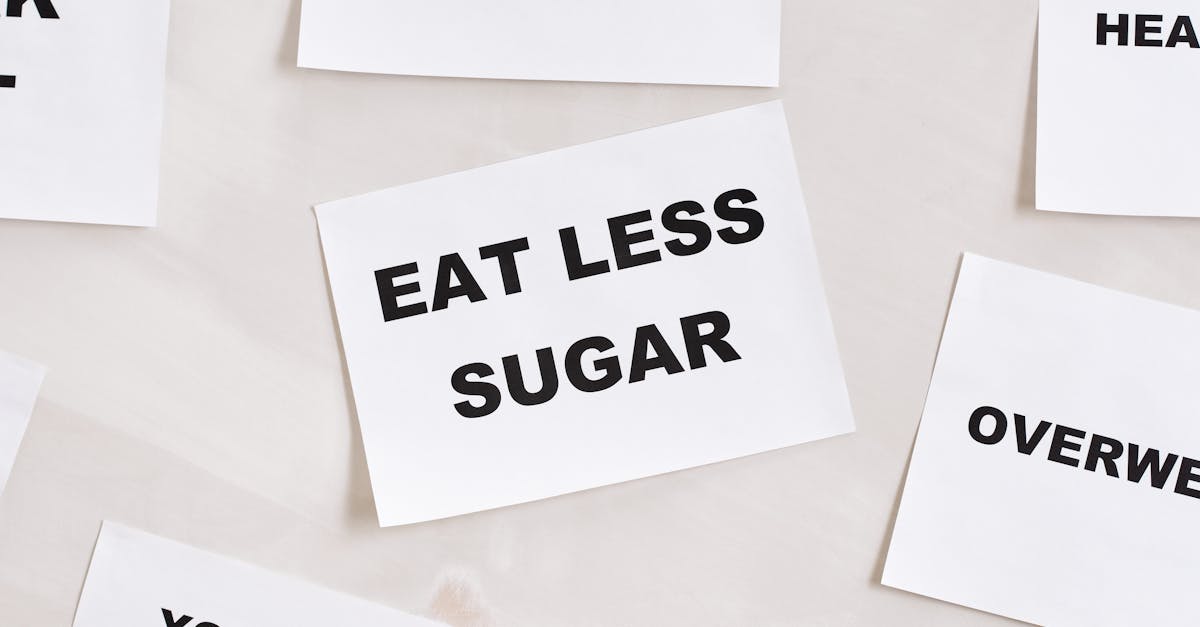
Sugar detox programs have emerged as a popular response to growing awareness of the health impacts of excessive sugar consumption, with research providing mixed but generally supportive evidence for structured sugar elimination protocols. A randomized controlled trial published in Obesity examined 75 participants following a 21-day sugar elimination program and documented significant improvements in insulin sensitivity, with HOMA-IR scores improving by an average of 35%. Participants also showed reductions in inflammatory markers, including TNF-alpha and IL-6, along with improvements in mood stability as measured by standardized psychological assessments. Brain imaging studies using functional MRI revealed that sugar detox participants experienced reduced activation in reward centers when exposed to high-sugar foods, suggesting genuine neurological changes in food cravings and preferences. However, researchers noted that the most successful programs emphasized gradual reduction rather than complete elimination, with participants following moderate approaches showing better long-term adherence and sustained benefits at 6-month follow-up. The study also revealed that sugar detox programs were most effective when combined with education about hidden sugars in processed foods and strategies for managing withdrawal symptoms, which typically peaked around days 3-5 and included fatigue, irritability, and intense cravings. Importantly, the research distinguished between eliminating added sugars and restricting natural sugars from whole fruits, with evidence supporting the continued consumption of whole fruits during sugar detox protocols due to their fiber content and beneficial phytonutrients.
9. Alkaline Diet Cleanses - pH Balance and Health

Alkaline diet cleanses are based on the theory that consuming alkaline-forming foods can optimize body pH and enhance detoxification, though scientific research reveals a more nuanced picture of this approach's validity and effectiveness. A systematic review published in the Journal of Environmental and Public Health examined 42 studies related to dietary acid load and health outcomes, finding that while diet can influence urine pH, it has minimal impact on blood pH due to the body's sophisticated buffering systems. However, research did identify indirect health benefits associated with alkaline diet protocols, primarily attributed to their emphasis on whole foods, vegetables, and fruits while eliminating processed foods. A 12-week study involving 162 participants following an alkaline-focused eating plan showed significant improvements in blood pressure, with average reductions of 8-12 mmHg systolic and 5-7 mmHg diastolic pressure. Participants also demonstrated improved bone density markers, including increased osteocalcin and reduced N-telopeptide levels, supporting the diet's potential benefits for skeletal health. The research revealed that alkaline diets naturally increased potassium intake while reducing sodium consumption, contributing to cardiovascular benefits independent of pH effects. However, extreme alkaline cleanse protocols that severely restricted protein sources showed concerning effects on muscle mass and metabolic rate. The scientific consensus suggests that moderate alkaline diet principles—emphasizing vegetables, fruits, and whole foods while limiting processed items—can support overall health, but claims about dramatically altering body pH or enhancing specific detoxification pathways remain unsupported by robust evidence.
10. Activated Charcoal Detox - The Binding Agent Controversy

Activated charcoal has gained popularity in detox circles due to its proven ability to bind toxins in emergency medical situations, but research on its use in routine cleansing protocols reveals significant limitations and potential risks. A comprehensive analysis published in Toxicology Reports examined the pharmacokinetics of activated charcoal in healthy individuals and found that while it effectively binds certain compounds in the gastrointestinal tract, its indiscriminate binding capacity can interfere with nutrient absorption and medication effectiveness. Clinical studies demonstrated that activated charcoal supplementation reduced absorption of vitamins A, D, E, and K by 30-50%, along with significant decreases in essential minerals including calcium, magnesium, and iron. Research conducted at poison control centers revealed that activated charcoal's effectiveness is highly time-dependent and substance-specific, with optimal results occurring within 1-2 hours of toxin exposure for specific compounds like acetaminophen or certain plant alkaloids. However, studies testing activated charcoal's ability to remove everyday environmental toxins or improve general health markers in healthy individuals showed no measurable benefits. A randomized controlled trial involving 120 participants taking activated charcoal supplements for 30 days found no improvements in liver function, kidney function, or inflammatory markers compared to placebo groups. More concerning were reports of gastrointestinal obstruction and severe constipation associated with regular activated charcoal use, particularly when combined with inadequate fluid intake. The research consensus indicates that activated charcoal should be reserved for specific medical emergencies under professional supervision rather than used as a routine detoxification supplement.
11. Herbal Detox Teas - Traditional Remedies Under Scientific Scrutiny

Herbal detox teas represent one of the most accessible and widely marketed cleansing products, with research revealing a spectrum of effects ranging from beneficial to potentially harmful depending on the specific herbs and dosages involved. A meta-analysis published in Phytotherapy Research examined 28 studies on popular detox tea ingredients and found that certain herbs, including dandelion, nettle, and green tea, demonstrated mild diuretic effects and antioxidant properties that could support the body's natural elimination processes. Research on senna-based detox teas revealed significant concerns, with studies showing that regular use could lead to electrolyte imbalances, dependency, and damage to intestinal nerve function. A clinical trial involving 200 participants using various commercial detox tea blends for 14 days found that while most participants experienced initial weight loss of 2-4 pounds, this was primarily due to water loss and temporary reduction in food intake rather than fat loss or enhanced detoxification. The study also documented concerning side effects in 15% of participants, including severe cramping, diarrhea, and dehydration requiring medical attention. More promising results emerged from research on gentler herbal combinations, with studies showing that teas containing ginger, turmeric, and milk thistle could provide anti-inflammatory benefits and mild liver support without adverse effects. However, investigators emphasized the importance of quality control, noting that many commercial detox teas contained undisclosed ingredients or concentrations that differed significantly from label claims. The research concluded that while certain herbal teas can complement a healthy lifestyle, they should not be considered powerful detoxification tools and require careful selection to avoid potentially harmful ingredients.
12. Raw Food Cleanses - Enzyme Theory and Nutritional Reality

Raw food cleanses are based on the premise that cooking destroys essential enzymes and nutrients, making raw foods superior for detoxification and health optimization, though scientific research presents a more complex picture of this dietary approach's benefits and limitations. A comprehensive study published in the Journal of Nutrition examined 418 individuals following strict raw food diets and found both positive and concerning health markers. Participants showed significantly higher levels of certain ant
