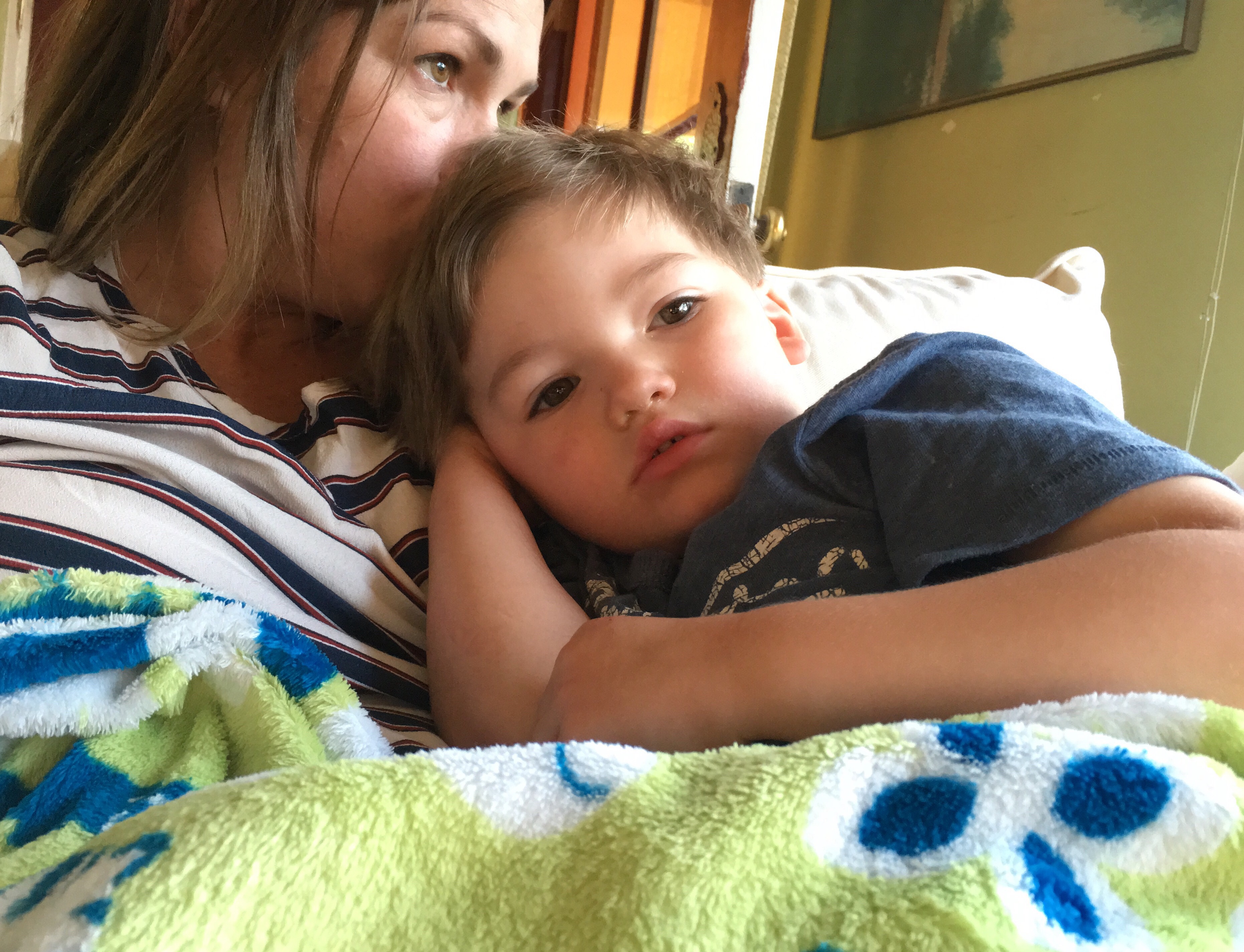
Dealing with chickenpox can be challenging for both children and parents. Providing emotional support is just as important as managing physical symptoms. Parents should reassure their child that the discomfort is temporary and that they will feel better soon. Engaging the child in calming activities, such as reading, drawing, or watching favorite movies, can help distract from the itchiness and discomfort. Maintaining a positive and supportive environment can alleviate anxiety and promote a sense of security. Encouraging open communication and allowing the child to express their feelings can also foster emotional resilience. By offering emotional support, parents can enhance their child's overall experience and contribute to a more positive recovery process.
10. Oral and Eye Irritation: Watching for Less Obvious Symptoms
Toddler boy rubbing eyes,Kid wearing pajamas laying down on bed,Kid waking up in with unhappy face. Photo Credit: Envato @annann_9
While the chickenpox rash is most noticeable on the skin, it's important to recognize that the virus can also affect mucous membranes—including the inside of the mouth, eyelids, and even the throat. Children may complain of a sore mouth, difficulty swallowing, or red, irritated eyes. In some cases, tiny ulcers can appear inside the mouth or on the gums, making eating and drinking uncomfortable. Similarly, if the virus spreads near the eyes, it can cause redness, swelling, or light sensitivity. These symptoms may go unnoticed if a child is too young to describe them clearly, so caregivers should keep an eye out for unusual behaviors like refusing food or rubbing the eyes. If these symptoms appear severe—particularly any involvement of the eyes—it’s important to consult a healthcare provider. Prompt attention ensures comfort and prevents potential complications, especially those involving vision or hydration.