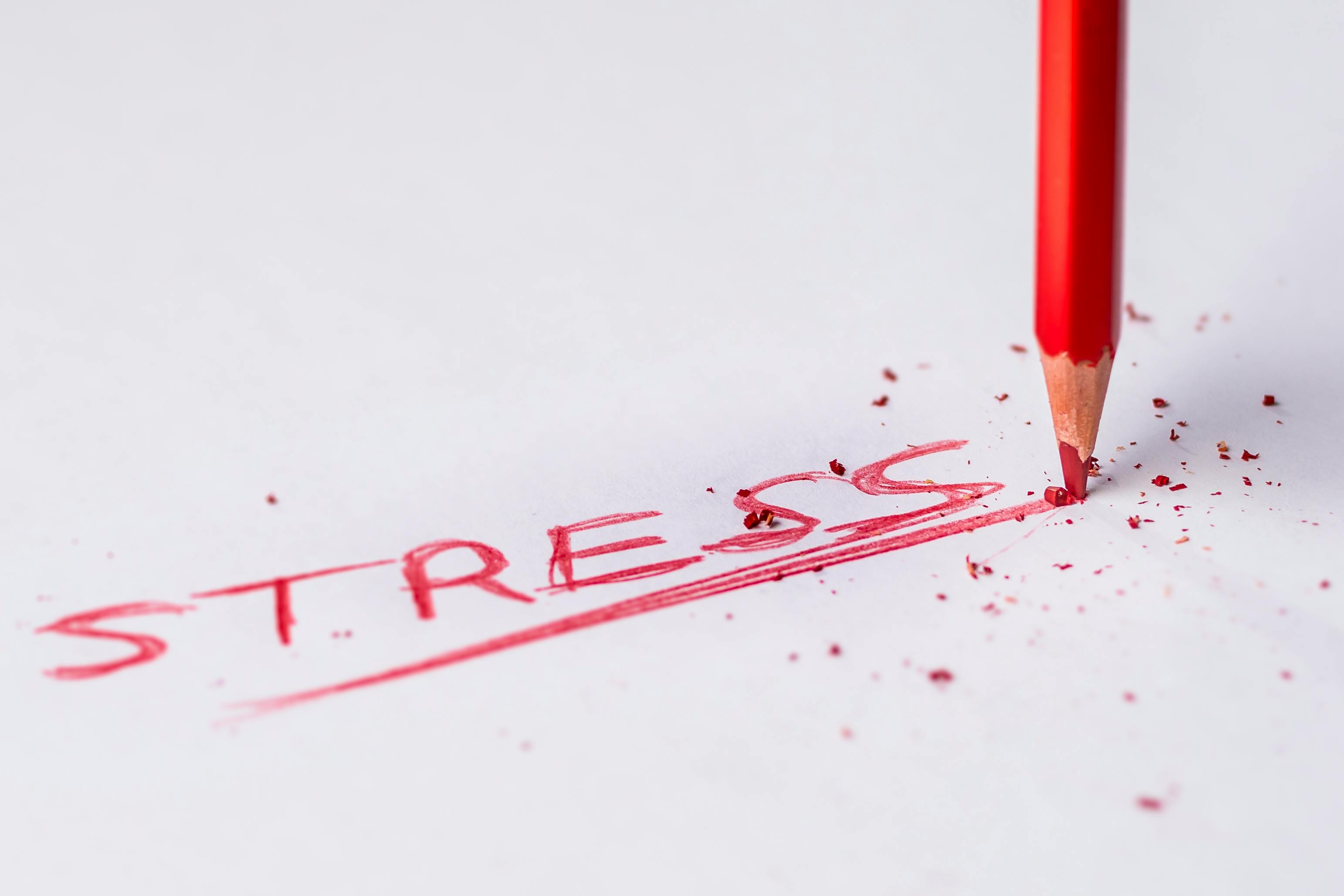
Close-up of a red pencil writing 'stress' on paper, symbolizing pressure and creativity. Photo Credit: Pexels @Pedro Figueras
Stress is an often-overlooked factor that can indirectly lead to nosebleeds. Chronic stress can elevate blood pressure, which in turn puts additional strain on blood vessels, including those in the nose. Moreover, stress can lead to habits such as frequent nose picking or rubbing, which can physically damage the nasal lining. Managing stress through relaxation techniques, exercise, and adequate rest can help mitigate this risk, emphasizing the intricate relationship between mental health and physical symptoms like nosebleeds.
Unseen Infections and Their Effects
Allergic Rhinitis. See a full animation of this medical topic. Photo Credit: Wikimedia Commons @BruceBlaus
Finally, infections such as colds or sinusitis can lead to nosebleeds. These infections cause inflammation and congestion in the nasal passages, which can increase pressure and lead to ruptured blood vessels. The frequent blowing of the nose during an infection can also contribute to this issue. Treating infections promptly and using gentle nasal care methods can help prevent nosebleeds, demonstrating the importance of addressing underlying health conditions in maintaining nasal health.