The burgeoning popularity of stevia has significant economic implications, influencing both global markets and local economies. As demand for stevia increases, it creates opportunities for farmers and producers, particularly in regions where the plant is native, such as South America. This has the potential to boost local economies and create jobs, contributing to economic development. However, the stevia market is also characterized by intense competition, with numerous companies vying for market share. This can lead to price fluctuations and challenges for smaller producers trying to compete with larger corporations. Understanding the market dynamics of stevia is essential for stakeholders at all levels, from farmers to policymakers, as they navigate the complexities of this growing industry.
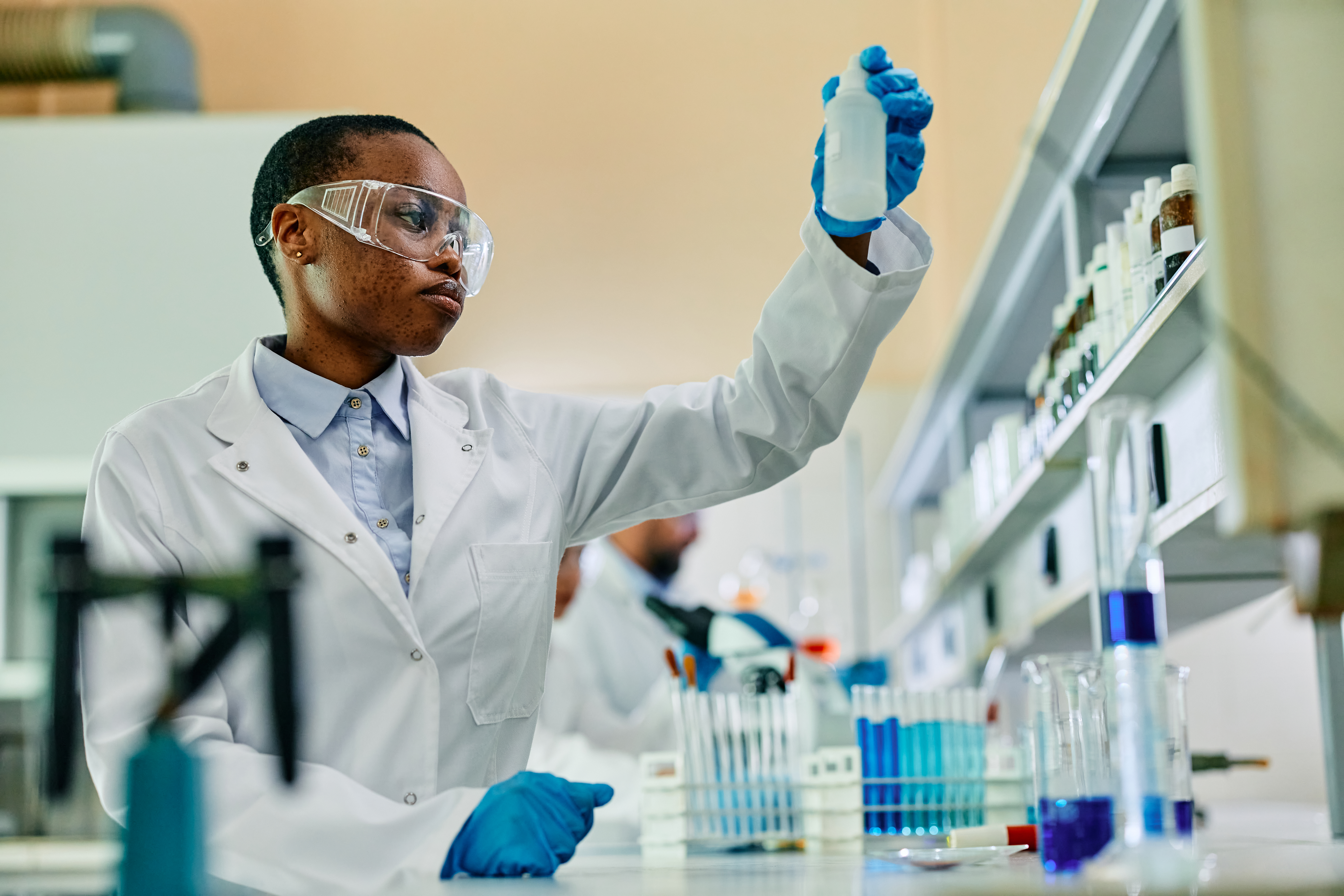
African American female chemist during scientific research in a lab. Photo Credit: Envato @drazenphoto
Public perception of stevia is shaped by a combination of scientific research, marketing, and personal experiences. For many, stevia represents a healthier alternative to sugar, offering a way to enjoy sweetness without the associated health risks. However, skepticism remains, particularly regarding the processing methods used to extract steviol glycosides, the compounds responsible for stevia's sweetness. Some consumers are wary of highly processed products, preferring natural, whole-food options. This highlights the importance of transparency and education in building consumer trust. By understanding the public's perceptions of stevia, companies can better address concerns and promote informed decision-making among consumers.